- Products
- Cell Culture Consumables
- Cell Imaging Consumables
- Bio-Filtration Consumables
- Molecular Testing Consumables
- PCR Tube
- PCR 8-Strip Tube (No Cap)
- PCR 8-Strip Tube (With Cap)
- PCR 12-Strip Tube
- 96 well PCR Plate
- 384 well PCR Plate
- 96 well ELISA Microplate (Undetachable)
- 96 well ELISA Microplate (Detachable)
- 384 well ELISA Microplates (Undetachable)
- 8 well ELISA Microplate Strips
- 12 well ELISA Microplate Strips
- 96 well ELISA Microplate Lid
- 96 well ELISA Microplate Frame
- UV Analyser Plate
- Disposable Plastic Cuvette
- Sealing Films
- Deep Well Plate
- Tip Comb
- Microbiological Consumables
- Pipette Consumables
- 10µl Pipette Tips
- 10µl Extended Pipette Tips
- 20µl Filtered Pipette Tips
- 100µl Filtered Pipette Tips
- 200µl Pipette Tips
- 20µl Graduated Filtered Pipette Tips
- 50µl Graduated Filtered Pipette Tips
- 100µl Graduated Filtered Pipette Tips
- 200μl Graduated Pipette Tips
- 200µl Extended Pipette Tips (59 mm)
- 20µl Filtered Pipette Tips
- 50µl Filtered Pipette Tips
- 100µl Filtered Pipette Tips
- 200µl Extended Pipette Tips (77 mm)
- 200µl Wide-Bore Pipette Tips (Organoid Culture)
- 1000µl Wide-Bore Pipette Tips (Organoid Culture)
- 1000µl Pipette Tips
- 1250µl Pipette Tips
- 5ml Pipette Tips
- 10ml Pipette Tips
- Pipette Tips (Adaptation of Rainin)
- Dispenser Tips (Adaptation of Brand and Dragon Lab)
- Automation Tips (Adaptation of Tecan)
- Black Conductive Tips (Adaptation of Tecan)
- Automation Tips (Adaptation of Hamilton)
- Black Conductive Tips (Adaptation of Hamilton)
- Automation Tips (Adaptation of Agilent)
- Gel Loading Tips
- Serological Pipette (Bagged)
- Serological Pipette (Boxed)
- GMP Serological Pipette
- Serological Pipette (Composite Membrane)
- Serological Pipette (Self Sealing)
- Reagent Reservoir
- Square Storage Bottle
- Pasteur Pipette
- Centrifugal Consumables
- Freezing and Storage Consumables
- Safety and Security Consumables
- Biological Reagents Series
- Prefabricated Products Series
- Cell Culture Plate (Individually Wrapped in Peelable)
- Cell Culture Plate (Individually Paper-Plastic Wrapped)
- Company
- Customization
- Support
- Press & Events
- Contact
Cell Culture Consumables
Cell Culture Plate
Cell Culture Dish
Cell Culture Flask
Polycarbonate Erlenmeyer Flask
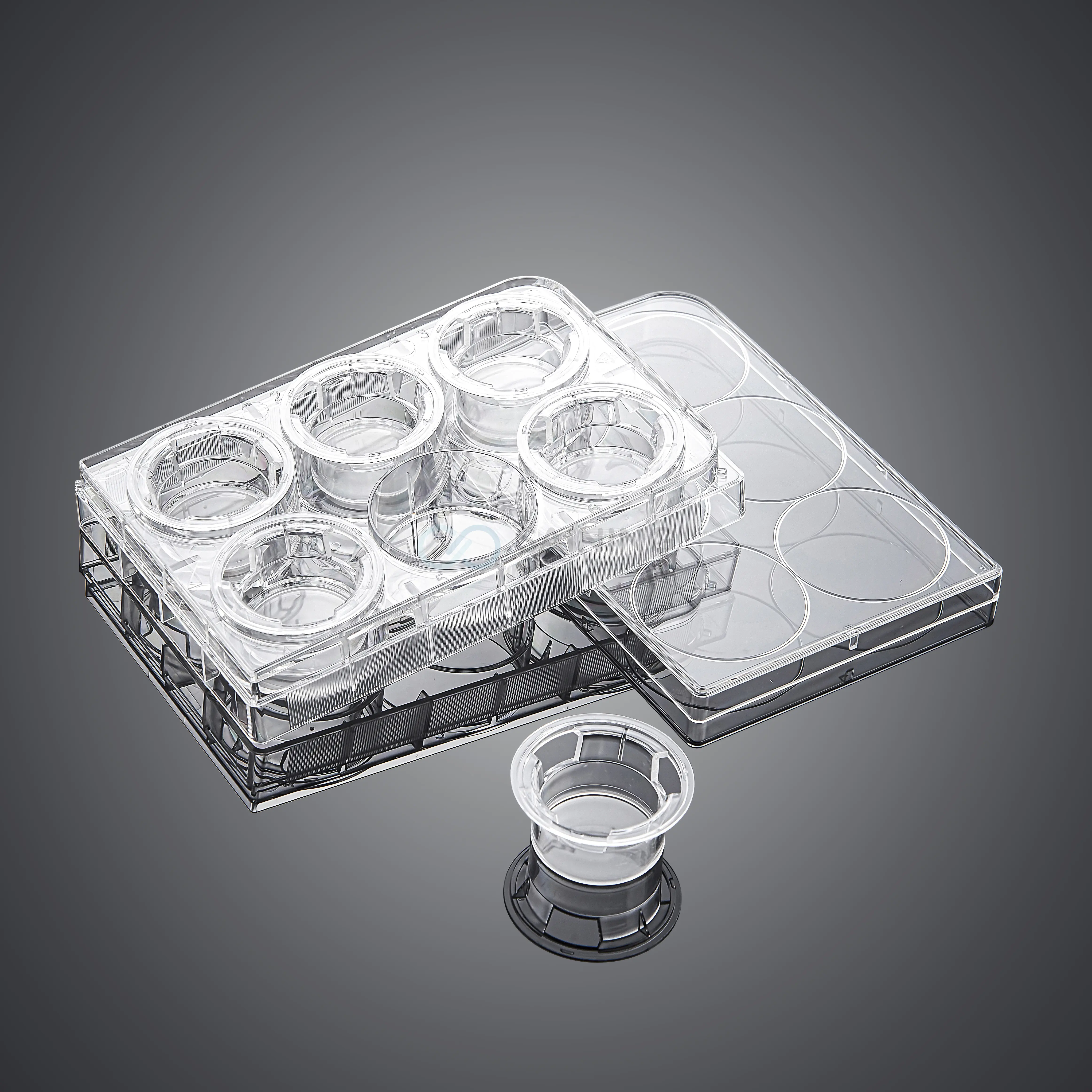
Permeable Insert (PC)
Permeable Insert (PET)
HTS 96 Well Permeable Insert
FACS Tube
Cell Scraper
Cell Lifter
Cell Counter Slide
Cell Culture Tube
Cell Imaging Consumables
Bio-Filtration Consumables
Syringe Filter
Cell Strainer
Bottle Top Vacuum Filter (Vacuum Filter / Storage Bottle)
Bottle Top Vacuum Filter (Storage Bottle)
Bottle Top Vacuum Filter (Vacuum Filter)
Ultrafiltration Centrifugal Tube
Molecular Testing Consumables
PCR Tube
PCR 8-Strip Tube (No Cap)
PCR 8-Strip Tube (With Cap)
PCR 12-Strip Tube
96 well PCR Plate
384 well PCR Plate
96 well ELISA Microplate (Undetachable)
96 well ELISA Microplate (Detachable)
384 well ELISA Microplates (Undetachable)
8 well ELISA Microplate Strips
12 well ELISA Microplate Strips
96 well ELISA Microplate Lid
96 well ELISA Microplate Frame
UV Analyser Plate
Disposable Plastic Cuvette
Sealing Films
Deep Well Plate
Tip Comb
Microbiological Consumables
Pipette Consumables
10µl Pipette Tips
10µl Extended Pipette Tips
20µl Filtered Pipette Tips
100µl Filtered Pipette Tips
200µl Pipette Tips
20µl Graduated Filtered Pipette Tips
50µl Graduated Filtered Pipette Tips
100µl Graduated Filtered Pipette Tips
200μl Graduated Pipette Tips
200µl Extended Pipette Tips (59 mm)
20µl Filtered Pipette Tips
50µl Filtered Pipette Tips
100µl Filtered Pipette Tips
200µl Extended Pipette Tips (77 mm)
200µl Wide-Bore Pipette Tips (Organoid Culture)
1000µl Wide-Bore Pipette Tips (Organoid Culture)
1000µl Pipette Tips
1250µl Pipette Tips
5ml Pipette Tips
10ml Pipette Tips
Pipette Tips (Adaptation of Rainin)
Dispenser Tips (Adaptation of Brand and Dragon Lab)
Automation Tips (Adaptation of Tecan)
Black Conductive Tips (Adaptation of Tecan)
Automation Tips (Adaptation of Hamilton)
Black Conductive Tips (Adaptation of Hamilton)
Automation Tips (Adaptation of Agilent)
Gel Loading Tips
Serological Pipette (Bagged)
Serological Pipette (Boxed)
GMP Serological Pipette
Serological Pipette (Composite Membrane)
Serological Pipette (Self Sealing)
Reagent Reservoir
Square Storage Bottle
Pasteur Pipette
Centrifugal Consumables
Microcentrifuge Tube (No Steriled)
Microcentrifuge Tube (Sterile)
15ml Centrifuge Tube
50ml Centrifuge Tube
Large Volume Centrifuge Bottle
Freezing and Storage Consumables
Screw Cap Tube (Body)
Screw Cap Tube (Cap)
External Thread Cryogenic Vial
Internal Thread Cryogenic Vial
2D Barcoded Tube
Safety and Security Consumables
Biological Reagents Series
Cell Culture Media
Cell Culture Media Supplements
Cell Culture Buffer
Antibiotic
Trypsin
Fetal Bovine Serum
Prefabricated Products Series

 中文简体
中文简体 English