Rising Trade Costs Are Reshaping Laboratory Procurement
In April 2025, trade tensions between China and the United States intensified as both countries announced multiple rounds of tariff increases on imported goods.
On April 3, the United States introduced an additional 34% reciprocal tariff on products imported from China. China responded by imposing a 34% tariff on all goods originating from the United States.
Five days later, on April 8, the United States announced that the reciprocal tariff on Chinese exports would increase from 34% to 84%.
China responded again on April 9 by raising tariffs on US imports from 34% to 84%, with the adjustment taking effect at 12:01 p.m. on April 10.
These policy changes have attracted widespread attention across industries that rely heavily on global supply chains, particularly life sciences, where laboratories often depend on imported instruments, reagents, and research consumables.
Supply Chain Stability Has Become a Greater Priority
The latest tariff measures are expected to increase procurement costs for many imported laboratory consumables while adding uncertainty to international logistics and delivery schedules. For research institutes, universities, biotechnology companies, and pharmaceutical organizations, these changes create additional pressure on purchasing budgets and project planning.
High-end laboratory consumables have traditionally relied on global suppliers, and fluctuations in trade policy can influence both pricing and product availability. As laboratories seek ways to maintain research continuity, locally manufactured alternatives have become an increasingly practical option.
Against this backdrop, Saining continues to expand its portfolio of laboratory consumables through independent product development and localized manufacturing. By combining in-house research with domestic production, the company provides laboratories with stable supply options while reducing exposure to international logistics and tariff-related cost increases.
Independent Innovation Supporting High-End Laboratory Consumables
- Advancing Domestic Development of Research Consumables
Saining has focused on the development and manufacturing of high-end laboratory consumables with the goal of providing reliable alternatives to products traditionally supplied by international brands.
Through continued investment in research and engineering, the company has established product lines covering Matrigel-coated cell culture inserts, ultra-low attachment cultureware, cell culture inserts, chamber slides, and glass-bottom confocal culture dishes.
Performance evaluations indicate that key technical specifications have reached levels comparable with internationally recognized products, while several performance indicators have demonstrated competitive results in laboratory applications.
01 Matrigel-Coated Cell Culture Insert Series
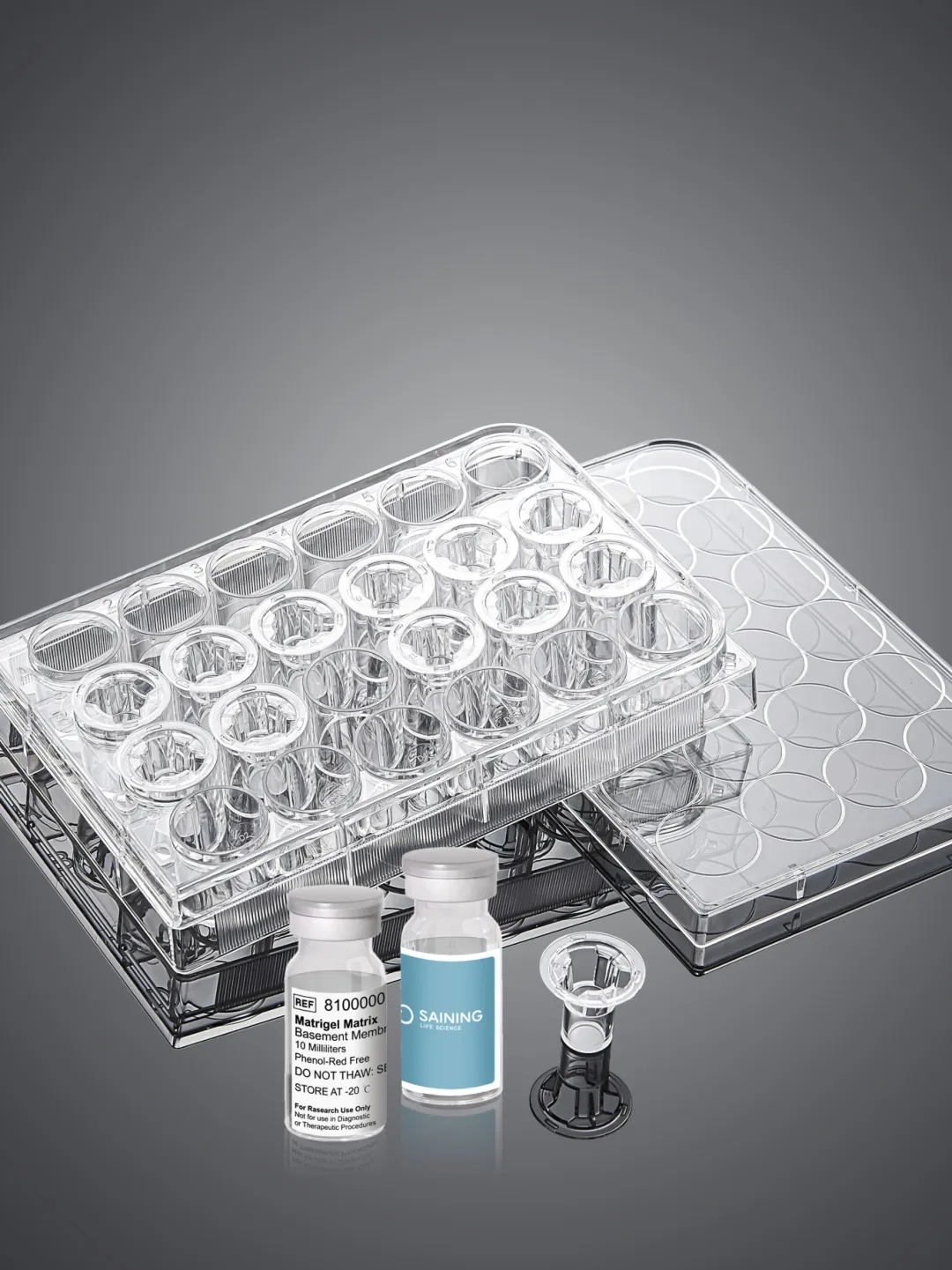
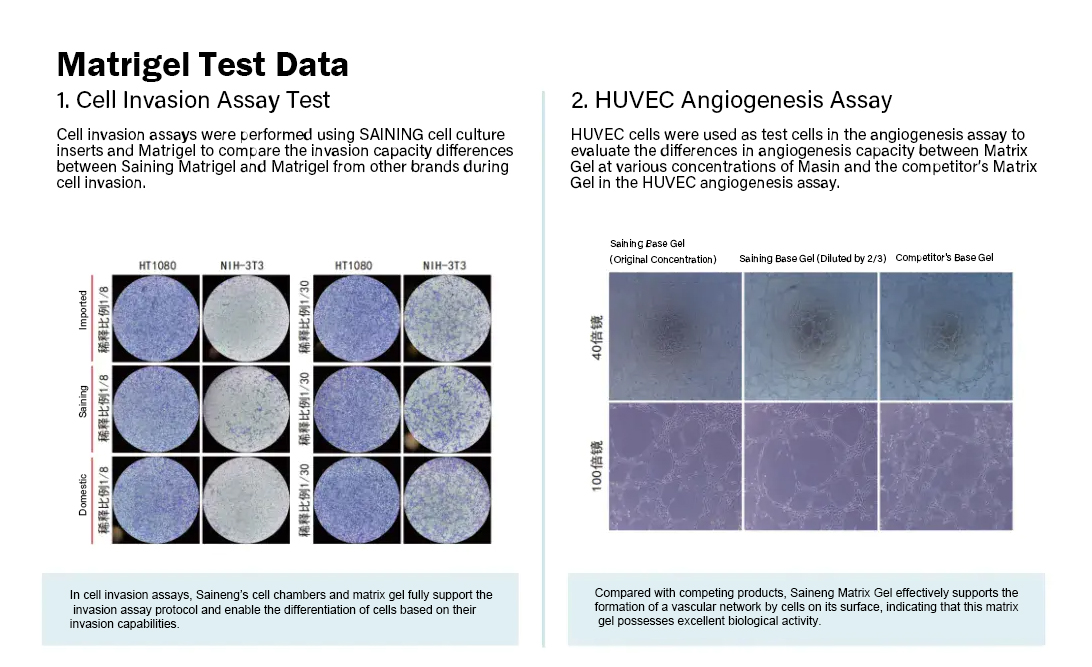
Matrigel-coated cell culture inserts are widely used in studies involving tumor invasion, angiogenesis, extracellular matrix interactions, and organoid culture. Because these experiments require consistent extracellular matrix composition, researchers have historically relied on imported products manufactured using standardized basement membrane matrix coatings.
International suppliers have maintained a dominant market position by controlling both raw material preparation and coating technology. Their products are commonly manufactured with basement membrane matrix derived from mouse sarcoma tissue and are designed to maintain consistent concentrations of laminin, type IV collagen, entactin, and other extracellular matrix components.
While these products have become well-established laboratory tools, they are also associated with relatively high procurement costs, extended international shipping times, and potential variability related to global supply chains.
To address these challenges, Saining has developed its own Matrigel-coated cell culture insert series based on proprietary coating technology. The product line supports a wide range of cell function studies while covering the complete range of commonly used insert specifications.
The series has been designed to provide researchers with a locally manufactured option that delivers consistent coating quality and dependable experimental performance while reducing dependence on imported laboratory consumables.
02 96-Well High-Throughput Cell Culture Inserts
High-throughput screening has become an essential part of modern biomedical research, particularly in drug discovery, cell migration studies, toxicity evaluation, and co-culture experiments. Among the laboratory tools supporting these workflows, the 96-well cell culture insert has become one of the standard platforms for parallel experimental analysis.
Since the 1990s, international manufacturers have led the development of high-throughput insert systems through advances in polycarbonate (PC) and polyethylene terephthalate (PET) membrane technology, automation-compatible plate formats, and leak-resistant structural design. These products have become widely adopted in pharmaceutical research and academic laboratories around the world.
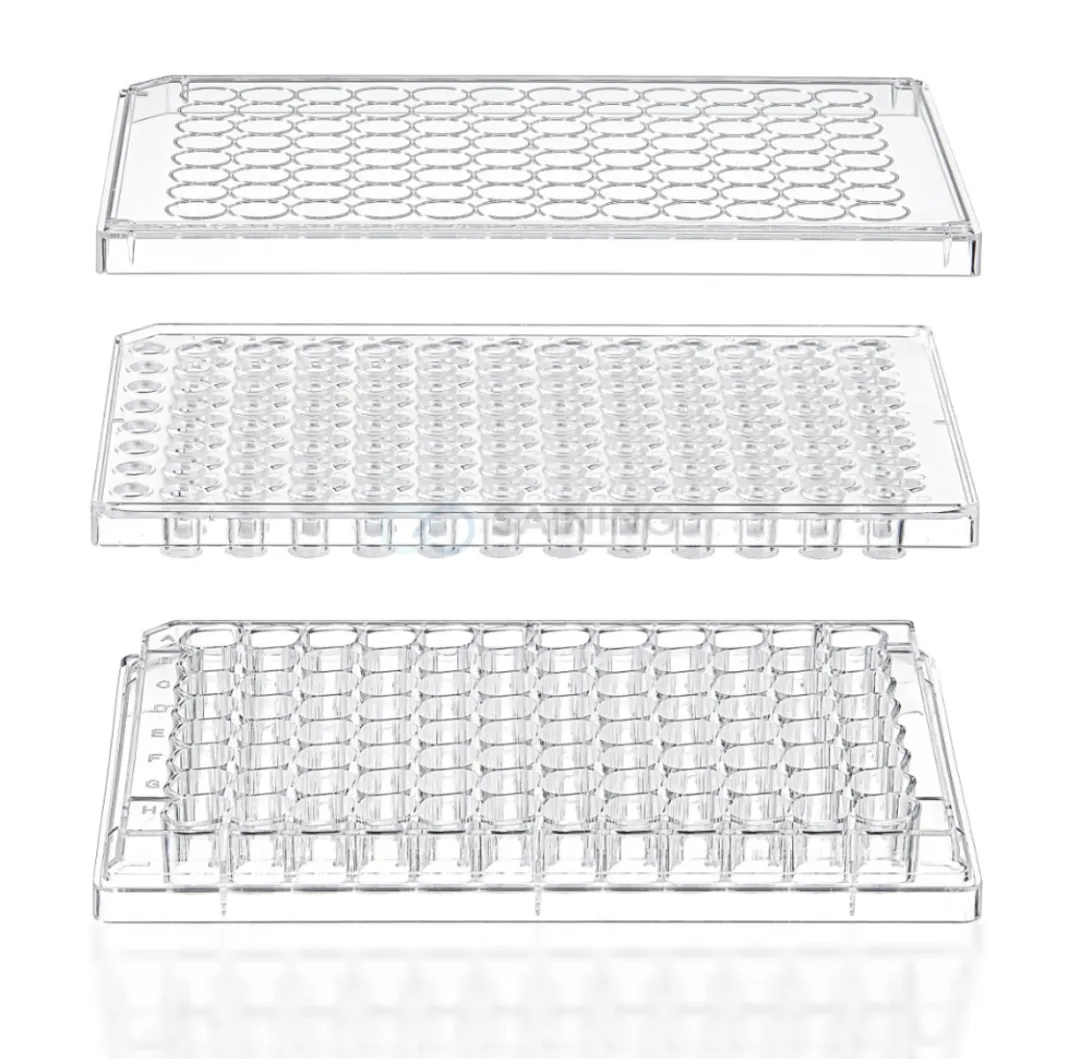
However, technical barriers and patent protection have historically limited domestic production, resulting in long-term reliance on imported products. Typical market prices for imported 96-well high-throughput inserts range from RMB 2,000 to RMB 5,000 per plate, creating a considerable expense for laboratories conducting large-scale screening projects.
Saining has introduced a domestically manufactured 96-well high-throughput cell culture insert designed for applications including cell migration assays, drug screening, and co-culture research.
Compared with commonly imported products, the platform reduces procurement costs by more than 50% while maintaining compatibility with standard laboratory workflows. Local manufacturing also shortens supply chains, minimizes transportation uncertainty, and provides laboratories with a more stable source of routine research consumables.
Rather than focusing solely on cost reduction, the development of this product reflects a broader effort to strengthen domestic manufacturing capabilities for advanced laboratory consumables and improve supply reliability for research institutions.
03 Ultra-Low Attachment Culture Series
Ultra-low attachment (ULA) cultureware has become an important tool for three-dimensional (3D) cell culture, organoid development, tumor spheroid formation, stem cell research, and suspension culture applications. By reducing cell adhesion to the culture surface, ULA technology allows cells to grow in conditions that more closely resemble their natural biological environment.
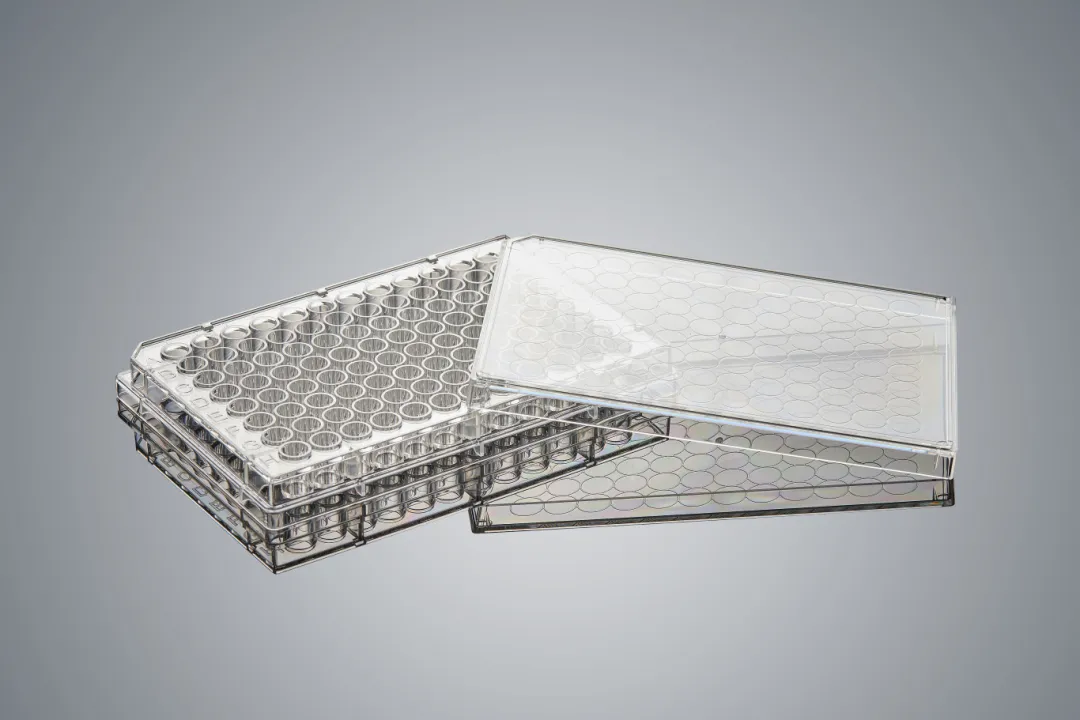
For many years, this technology has been supplied primarily by international manufacturers. Proprietary hydrogel coating technologies, hydrophilic neutral surface treatments, protein-resistant coatings, and highly standardized production processes have enabled imported products to account for the vast majority of the global market.
Because of these technical barriers, laboratories conducting advanced cell culture research have often relied on imported consumables for routine experiments.
Saining has developed its own ultra-low attachment coating technology as part of its long-term investment in advanced laboratory consumables. The product range now includes ultra-low attachment culture plates, culture dishes, and culture flasks designed for a variety of research applications.
The availability of a domestically manufactured ULA product line provides laboratories with additional sourcing flexibility while reducing dependence on overseas supply chains. Researchers can select culture vessels in multiple formats without changing established experimental workflows.
04 Cell Culture Insert Series
Cell culture inserts are widely used in experiments involving cell migration, invasion, barrier function, transport studies, and co-culture systems. They are fundamental tools across cancer biology, immunology, drug development, and tissue engineering research.
Historically, the market for cell culture inserts has been dominated by international suppliers. Precision membrane manufacturing, surface treatment technologies, and long-standing patent protection have created substantial barriers to entry, leaving many research organizations dependent on imported products.
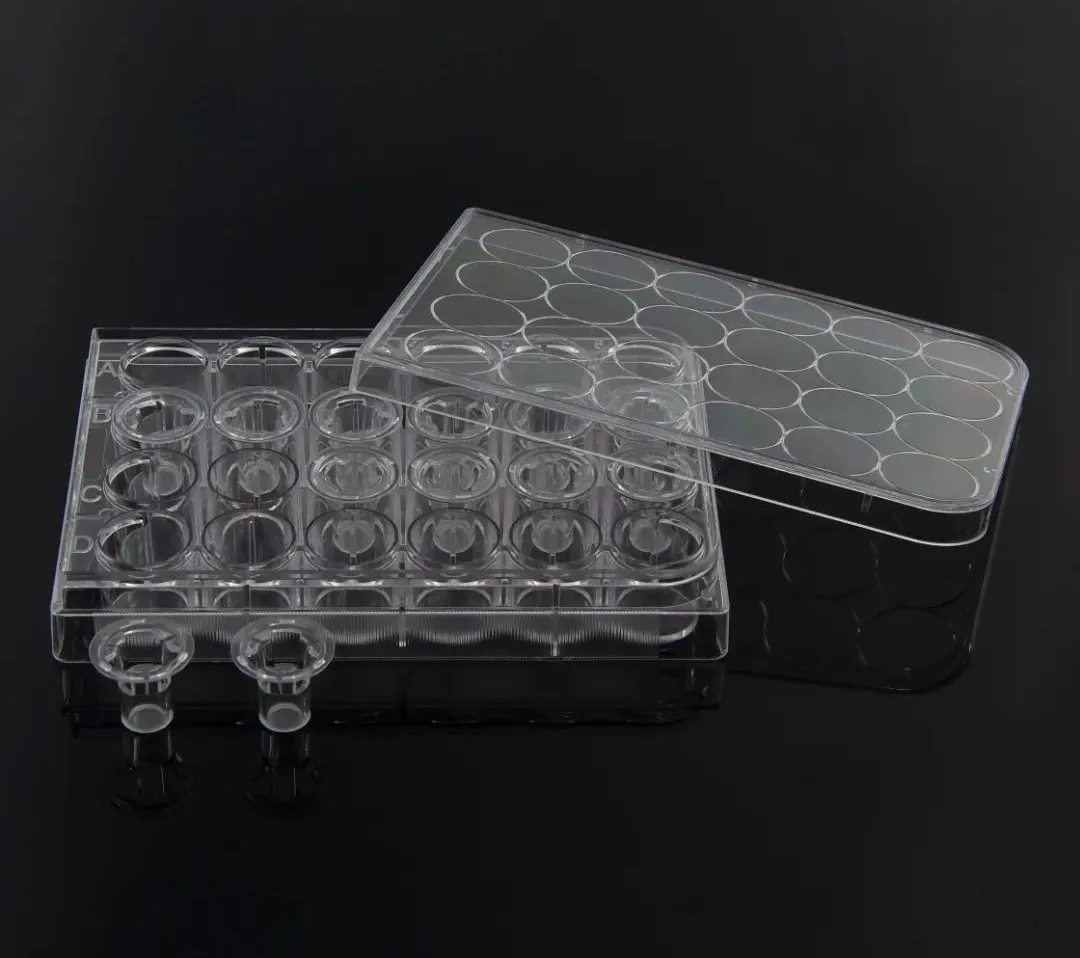
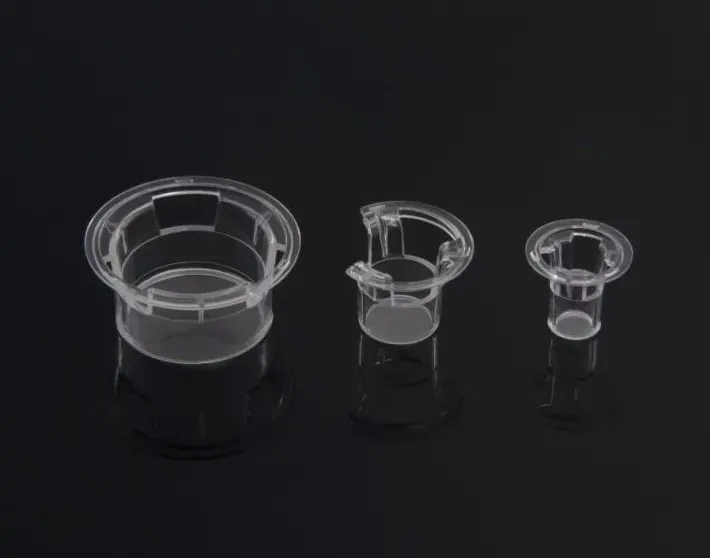
In 2024, Saining introduced its first domestically developed cell culture insert series, covering 6-well, 12-well, and 24-well formats with both polycarbonate (PC) and polyethylene terephthalate (PET) membrane options.
The PC membrane is designed for applications requiring relatively low adsorption characteristics, while the PET membrane offers high optical clarity for microscopy and imaging. Multiple membrane pore sizes and specifications are available, allowing researchers to select the configuration best suited to migration assays, invasion studies, drug transport evaluation, and co-culture experiments.
By expanding the available specifications and membrane options, the product line provides laboratories with greater flexibility while supporting a wide range of experimental protocols.
| Product Category |
Item No. |
Product Specification |
Product Name |
Product Description |
| Cell Chamber PC Membrane |
1100000 |
6-well |
Cell Chamber |
6-well, PC membrane, 24 mm, pore size 0.4 μm, TC treated, sterilized |
| 1100021 |
6-well |
Cell Chamber |
6-well, PC membrane, 24 mm, pore size 5.0 μm, TC treated, sterilized |
| 1100030 |
6-well |
Cell Chamber |
6-well, PC membrane, 24 mm, pore size 8.0 μm, TC treated, sterilized |
| 1101000 |
12-well |
Cell Chamber |
12-well, PC membrane, 12 mm, pore size 0.4 μm, TC treated, sterilized |
| 1101021 |
12-well |
Cell Chamber |
12-well, PC membrane, 12 mm, pore size 5.0 μm, TC treated, sterilized |
| 1101030 |
12-well |
Cell Chamber |
12-well, PC membrane, 12 mm, pore size 8.0 μm, TC treated, sterilized |
| 1102000 |
24-well |
Cell Chamber |
24-well, PC membrane, 6.5 mm, pore size 0.4 μm, TC treated, sterilized |
| 1102010 |
24-well |
Cell Chamber |
24-well, PC membrane, 6.5 mm, pore size 3.0 μm, TC treated, sterilized |
| 1102021 |
24-well |
Cell Chamber |
24-well, PC membrane, 6.5 mm, pore size 5.0 μm, TC treated, sterilized |
| 1102031 |
24-well |
Cell Chamber |
24-well, PC membrane, 6.5 mm, pore size 8.0 μm, TC treated, sterilized |
| 1100020 |
6-well |
Cell Chamber |
6-well, individually packaged, PC membrane, 24 mm, pore size 5.0 μm, TC treated, sterilized |
| 1101020 |
12-well |
Cell Chamber |
12-well, individually packaged, PC membrane, 12 mm, pore size 5.0 μm, TC treated, sterilized |
| 1102020 |
24-well |
Cell Chamber |
24-well, individually packaged, PC membrane, 6.5 mm, pore size 5.0 μm, TC treated, sterilized |
| Cell Chamber PET Membrane |
1100100 |
6-well |
Cell Chamber |
6-well, PET membrane, 24 mm, pore size 0.4 μm, TC treated, sterilized |
| 1100110 |
6-well |
Cell Chamber |
6-well, PET membrane, 24 mm, pore size 3.0 μm, TC treated, sterilized |
| 1100130 |
6-well |
Cell Chamber |
6-well, PET membrane, 24 mm, pore size 8.0 μm, TC treated, sterilized |
| 1101100 |
12-well |
Cell Chamber |
12-well, PET membrane, 12 mm, pore size 0.4 μm, TC treated, sterilized |
| 1101110 |
12-well |
Cell Chamber |
12-well, PET membrane, 12 mm, pore size 3.0 μm, TC treated, sterilized |
| 1101131 |
12-well |
Cell Chamber |
12-well, PET membrane, 12 mm, pore size 8.0 μm, TC treated, sterilized |
| 1102100 |
24-well |
Cell Chamber |
24-well, PET membrane, 6.5 mm, pore size 0.4 μm, TC treated, sterilized |
| 1102110 |
24-well |
Cell Chamber |
24-well, PET membrane, 6.5 mm, pore size 3.0 μm, TC treated, sterilized |
| 1102130 |
24-well |
Cell Chamber |
24-well, PET membrane, 6.5 mm, pore size 8.0 μm, TC treated, sterilized |
| 1100131 |
6-well |
Cell Chamber |
6-well, individually packaged, PET membrane, 24 mm, pore size 8.0 μm, TC treated, sterilized |
| 1101130 |
12-well |
Cell Chamber |
12-well, individually packaged, PET membrane, 12 mm, pore size 8.0 μm, TC treated, sterilized |
| 1102131 |
24-well |
Cell Chamber |
24-well, individually packaged, PET membrane, 6.5 mm, pore size 8.0 μm, TC treated, sterilized |
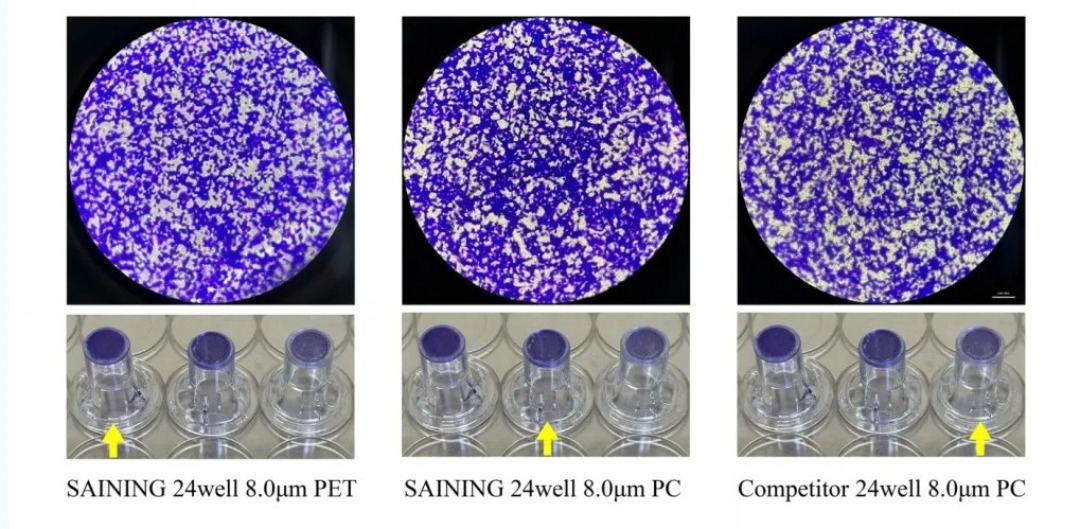
Comparison of HT1080 Cell Migration Assays: Saining vs. Foreign Competitor Brand C
Conclusion: Saining cell culture inserts (PET/PC, 8.0 μm) are a high-performance alternative to cell inserts of foreign competing brands.
05 Chamber Slides and Glass-Bottom Confocal Culture Dishes
Chamber slides and glass-bottom culture dishes are commonly used in confocal microscopy, fluorescence imaging, live-cell observation, and high-resolution cellular analysis. These products require precise manufacturing to ensure optical performance, sterile culture conditions, and compatibility with advanced imaging systems.
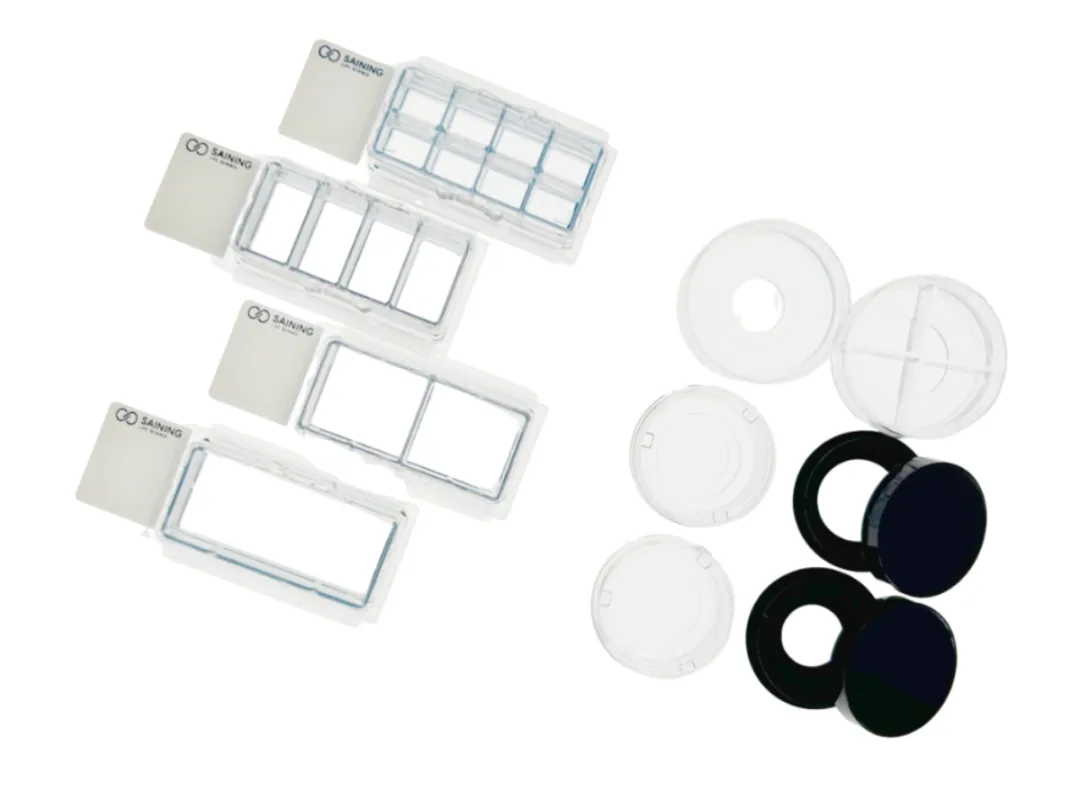
For many years, laboratories have primarily sourced these consumables from international manufacturers offering precision glass-bottom construction, medical-grade bonding technologies, and tissue-culture-treated surfaces.
Saining has developed a domestic product range designed to meet these laboratory requirements while expanding the available specification options.
The portfolio includes chamber slides and glass-bottom confocal culture dishes with 15 mm and 20 mm glass-bottom diameters, as well as 35 mm, 39 mm, quadrant, and black-walled configurations suitable for different imaging applications.
Each product is individually packaged in sterile blister packs to help minimize contamination during handling and cell culture procedures.
According to internal performance evaluations, key technical indicators have reached levels comparable to internationally recognized products, providing researchers with additional sourcing options for imaging-based experiments.
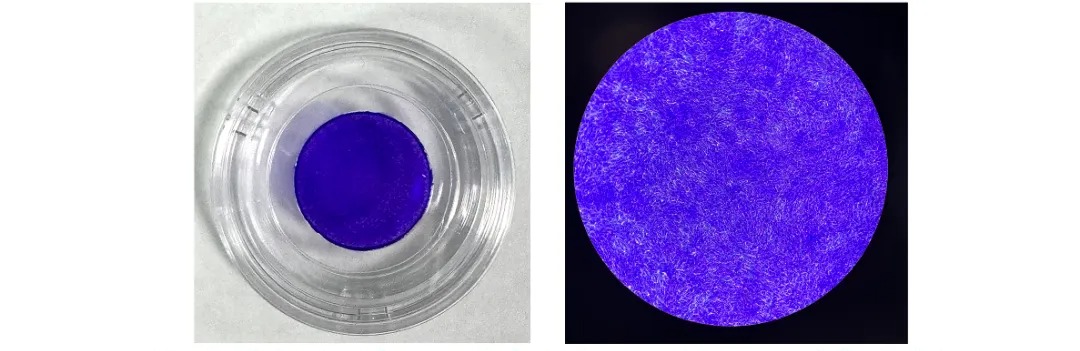
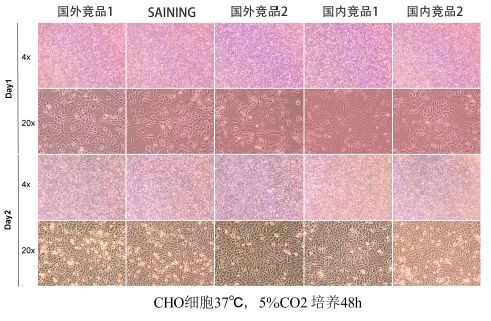
- Crystal Violet staining results indicate that cell growth is uniform and dense, and the cells are in good condition.
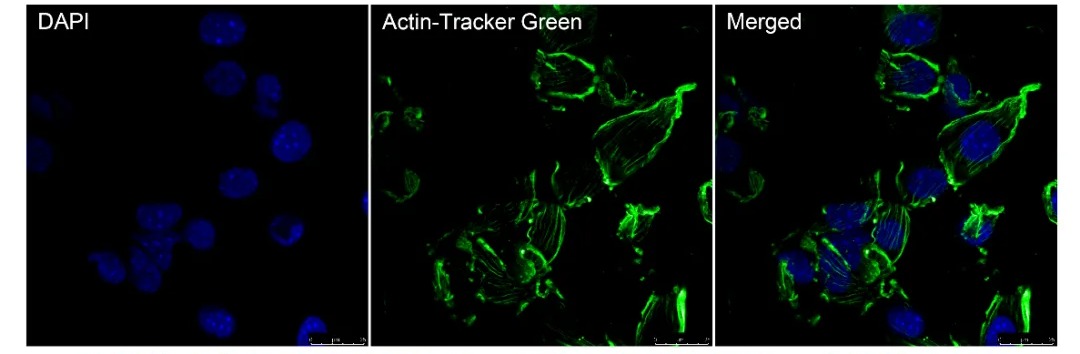
- Confocal imaging results show that the cell nuclei and cytoskeleton are clearly visualized, with excellent imaging quality.
| Product Category |
Item No. |
Product Specification |
Product Name |
Product Description |
| Confocal Petri Dish |
1050001 |
35 mm |
Confocal Petri Dish |
35 mm, Pore Diameter 15 mm, TC Treated, Bag Packed, Sterilized |
| 1051001 |
35 mm |
Confocal Petri Dish |
35 mm, Pore Diameter 20 mm, TC Treated, Bag Packed, Sterilized |
| 1050000 |
35 mm |
Confocal Petri Dish |
35 mm, Pore Diameter 15 mm, TC Treated, Blister Independent Boxed, Sterilized |
| 1051000 |
35 mm |
Confocal Petri Dish |
35 mm, Pore Diameter 20 mm, TC Treated, Blister Independent Boxed, Sterilized |
| 1052001 |
39 mm |
Confocal Petri Dish |
39 mm, Pore Diameter 15 mm, TC Treated, Bag Packed, Sterilized |
| 1053001 |
39 mm |
Confocal Petri Dish |
39 mm, Pore Diameter 20 mm, TC Treated, Bag Packed, Sterilized |
| 1053101 |
39 mm |
Confocal Petri Dish |
39 mm, Pore Diameter 20 mm, 4-Well Grid, TC Treated, Bag Packed, Sterilized |
| 1052000 |
39 mm |
Confocal Petri Dish |
39 mm, Pore Diameter 15 mm, TC Treated, Blister Independent Boxed, Sterilized |
| 1053000 |
39 mm |
Confocal Petri Dish |
39 mm, Pore Diameter 20 mm, TC Treated, Blister Independent Boxed, Sterilized |
| 1053100 |
39 mm |
Confocal Petri Dish |
39 mm, Pore Diameter 20 mm, 4-Well Grid, TC Treated, Blister Independent Boxed, Sterilized |
| Confocal Petri Dish (Black Version) |
1050011 |
35 mm |
Confocal Petri Dish |
35 mm, Pore Diameter 15 mm, Black Version, TC Treated, Bag Packed, Sterilized |
| 1051011 |
35 mm |
Confocal Petri Dish |
35 mm, Pore Diameter 20 mm, Black Version, TC Treated, Bag Packed, Sterilized |
| 1050010 |
35 mm |
Confocal Petri Dish |
35 mm, Pore Diameter 15 mm, Black Version, TC Treated, Blister Independent Boxed, Sterilized |
| 1051010 |
35 mm |
Confocal Petri Dish |
35 mm, Pore Diameter 20 mm, Black Version, TC Treated, Blister Independent Boxed, Sterilized |
| 1052011 |
39 mm |
Confocal Petri Dish |
39 mm, Pore Diameter 15 mm, Black Version, TC Treated, Bag Packed, Sterilized |
| 1053011 |
39 mm |
Confocal Petri Dish |
39 mm, Pore Diameter 20 mm, Black Version, TC Treated, Bag Packed, Sterilized |
| 1052010 |
39 mm |
Confocal Petri Dish |
39 mm, Pore Diameter 15 mm, Black Version, TC Treated, Blister Independent Boxed, Sterilized |
| 1053010 |
39 mm |
Confocal Petri Dish |
39 mm, Pore Diameter 20 mm, Black Version, TC Treated, Blister Independent Boxed, Sterilized |
| Confocal Petri Dish (Optical Polymer Film Bottom) |
1054001 |
35mm |
Confocal Petri Dish |
35 mm, Pore Diameter 15 mm, TC Treated, Bag Packed, Sterilized |
| 1055001 |
35mm |
Confocal Petri Dish |
35 mm, Pore Diameter 20 mm, TC Treated, Bag Packed, Sterilized |
| 1054000 |
35mm |
Confocal Petri Dish |
35 mm, Pore Diameter 15 mm, TC Treated, Blister Independent Boxed, Sterilized |
| 1055000 |
35mm |
Confocal Petri Dish |
35 mm, Pore Diameter 20 mm, TC Treated, Blister Independent Boxed, Sterilized |
| 1056001 |
39mm |
Confocal Petri Dish |
39 mm, Pore Diameter 15 mm, TC Treated, Bag Packed, Sterilized |
| 1057001 |
39mm |
Confocal Petri Dish |
39 mm, Pore Diameter 20 mm, TC Treated, Bag Packed, Sterilized |
| 1057101 |
39mm |
Confocal Petri Dish |
39 mm, Pore Diameter 20 mm, 4-Well Grid, TC Treated, Bag Packed, Sterilized |
| 1056000 |
39mm |
Confocal Petri Dish |
39 mm, Pore Diameter 15 mm, TC Treated, Blister Independent Boxed, Sterilized |
| 1057000 |
39mm |
Confocal Petri Dish |
39 mm, Pore Diameter 20 mm, TC Treated, Blister Independent Boxed, Sterilized |
| 1057100 |
39mm |
Confocal Petri Dish |
39 mm, Pore Diameter 20 mm, 4-Well Grid, TC Treated, Blister Independent Boxed, Sterilized |
| 1054011 |
35mm |
Confocal Petri Dish |
39 mm, Pore Diameter 15 mm, Black Version, TC Treated, Bag Packed, Sterilized |
| 1055011 |
35mm |
Confocal Petri Dish |
39 mm, Pore Diameter 20 mm, Black Version, TC Treated, Bag Packed, Sterilized |
| 1054010 |
35mm |
Confocal Petri Dish |
39 mm, Pore Diameter 15 mm, Black Version, TC Treated, Blister Independent Boxed, Sterilized |
| 1055010 |
35mm |
Confocal Petri Dish |
39 mm, Pore Diameter 20 mm, Black Version, TC Treated, Blister Independent Boxed, Sterilized |
| 1056011 |
39mm |
Confocal Petri Dish |
39 mm, Pore Diameter 15 mm, Black Version, TC Treated, Bag Packed, Sterilized |
| 1057011 |
39mm |
Confocal Petri Dish |
39 mm, Pore Diameter 20 mm, Black Version, TC Treated, Bag Packed, Sterilized |
| 1056010 |
39mm |
Confocal Petri Dish |
39 mm, Pore Diameter 15 mm, Black Version, TC Treated, Blister Independent Boxed, Sterilized |
| 1057010 |
39mm |
Confocal Petri Dish |
39 mm, Pore Diameter 20 mm, Black Version, TC Treated, Blister Independent Boxed, Sterilized |
| Chamber Slide |
1090000 |
1-Well |
Chamber Slide |
1-Well, Sterilized |
| 1091000 |
2-Well |
Chamber Slide |
2-Well, Sterilized |
| 1092000 |
4-Well |
Chamber Slide |
4-Well, Sterilized |
| 1093000 |
8-Well |
Chamber Slide |
8-Well, Sterilized |
| 1090200 |
1-Well |
Chamber Slide |
1-Well, Black Version, Sterilized |
| 1091200 |
2-Well |
Chamber Slide |
2-Well, Black Version, Sterilized |
| 1092200 |
4-Well |
Chamber Slide |
4-Well, Black Version, Sterilized |
| 1093200 |
8-Well |
Chamber Slide |
8-Well, Black Version, Sterilized |
- Comprehensive Alternatives to Imported Laboratory Consumables
Over the past several years, Saining has expanded its manufacturing capabilities beyond individual product categories to establish a comprehensive portfolio of laboratory consumables.
Today, the company's product range includes more than 3,000 SKUs, covering applications in cell culture, molecular biology, liquid handling, sample storage, and laboratory safety.
Rather than focusing on a single product line, the portfolio is designed to provide laboratories with compatible alternatives across multiple stages of experimental workflows. Through localized manufacturing and integrated production, many routine laboratory consumables are available at approximately 30%–40% of the selling price of comparable imported products, while maintaining stable domestic supply.
01 Cell Culture Products
Cell culture forms the foundation of many life science research activities, from basic biological studies to drug discovery and regenerative medicine.
Saining's cell culture portfolio includes culture plates, culture dishes, culture flasks, cell culture inserts, and specialized cultureware designed to support a wide variety of in vitro applications.
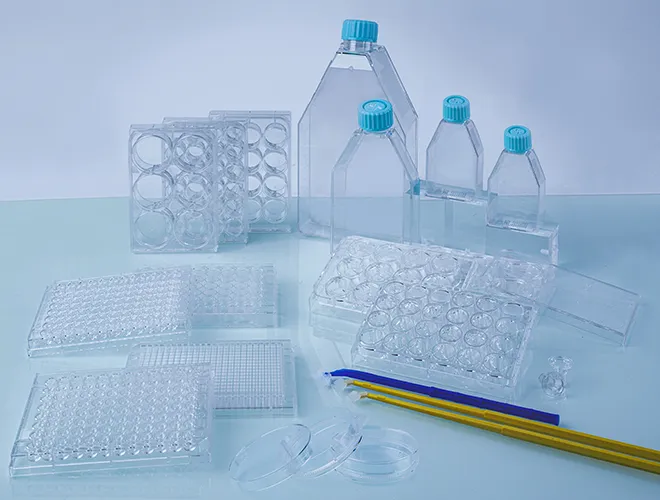
Each product is developed to provide a suitable environment for cell attachment, growth, and maintenance, helping laboratories establish consistent experimental conditions across different research projects.
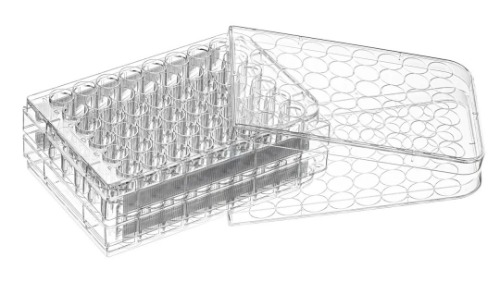
The product range also includes specialized formats such as black-walled clear-bottom 96-well plates for fluorescence-based applications.
02 Molecular Biology Products
Reliable molecular biology consumables play an important role in producing consistent and reproducible experimental results.
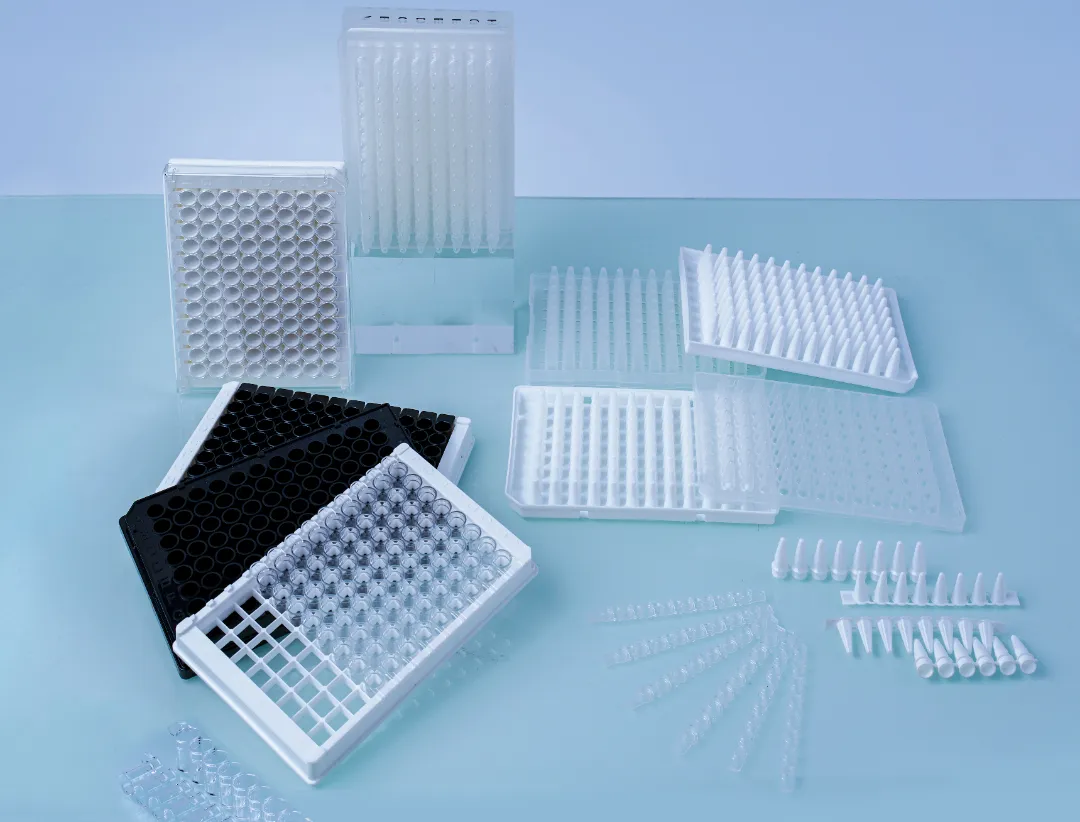
Saining offers a range of products designed for applications including PCR, molecular cloning, ELISA, nucleic acid extraction, and routine laboratory testing.
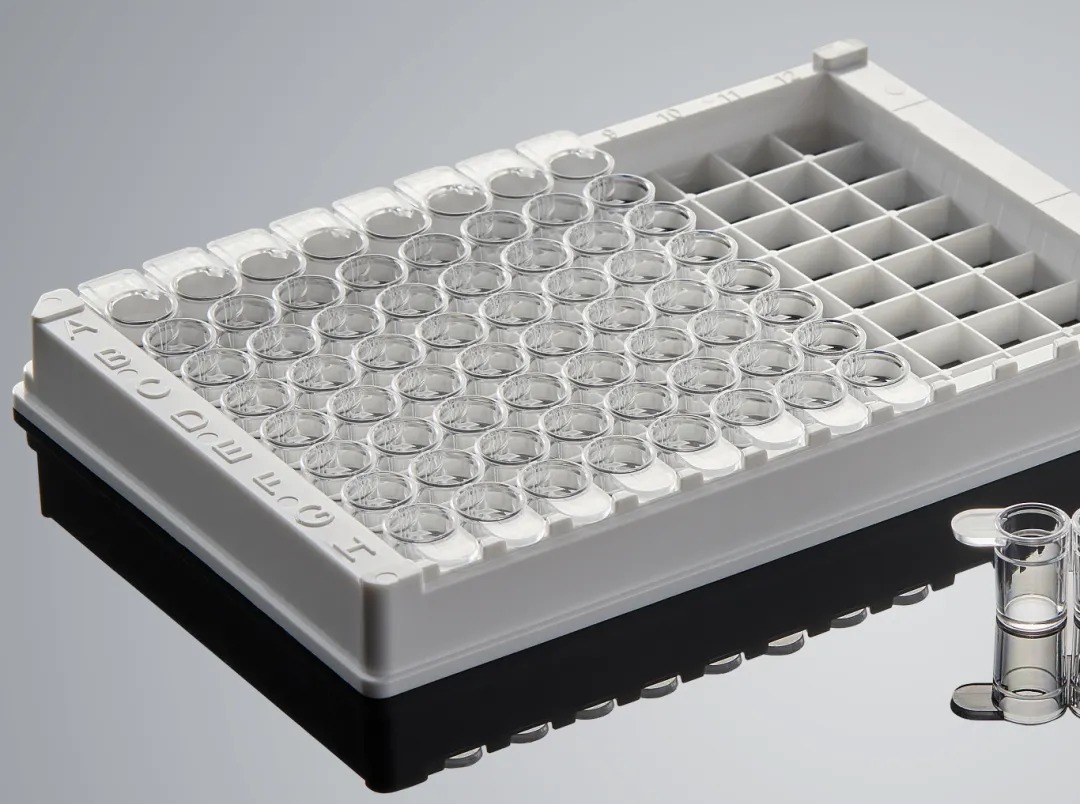
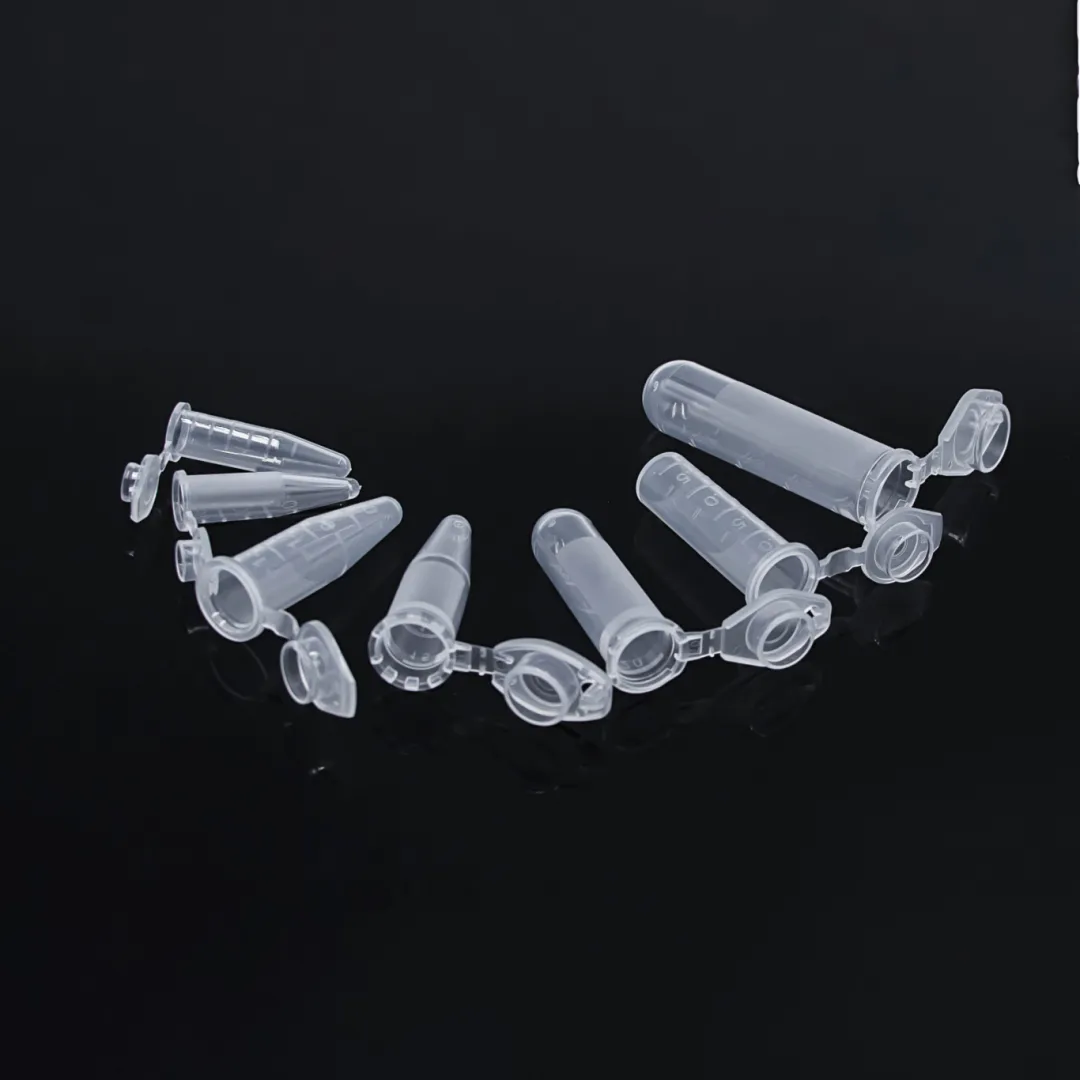
The portfolio includes PCR tubes, PCR plates, detachable ELISA plates, deep-well plates, and related plastic consumables suitable for a variety of molecular biology workflows.
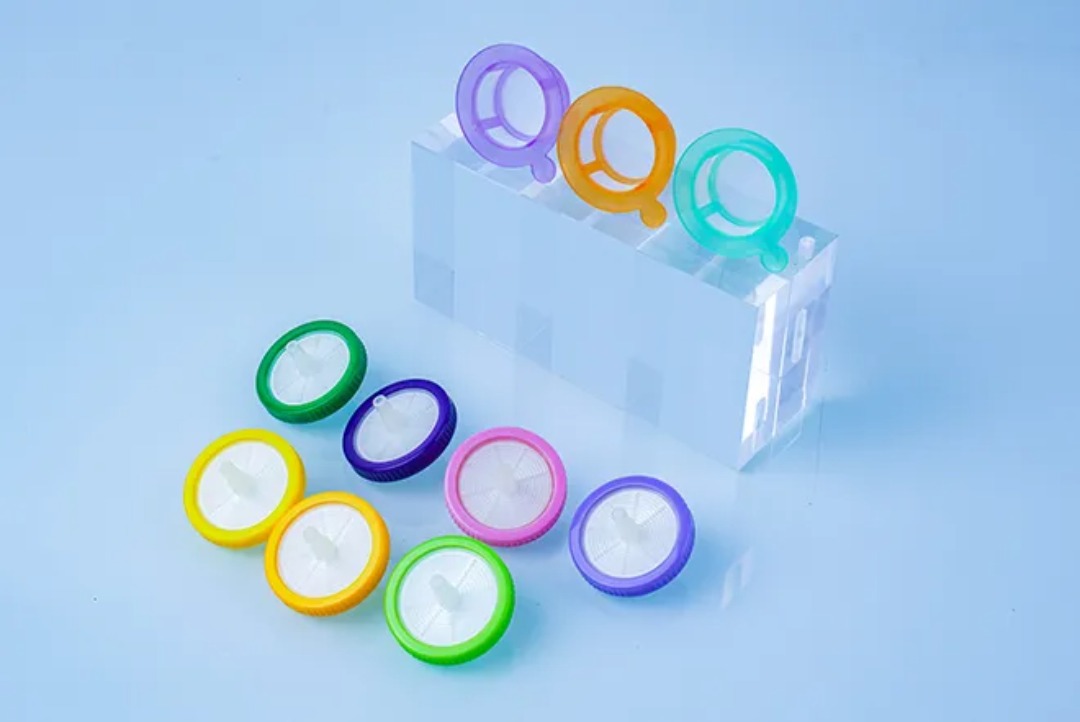
In addition to molecular detection products, Saining supplies filtration consumables such as syringe filters, vacuum filtration systems, and ultrafiltration devices for biological sample preparation.
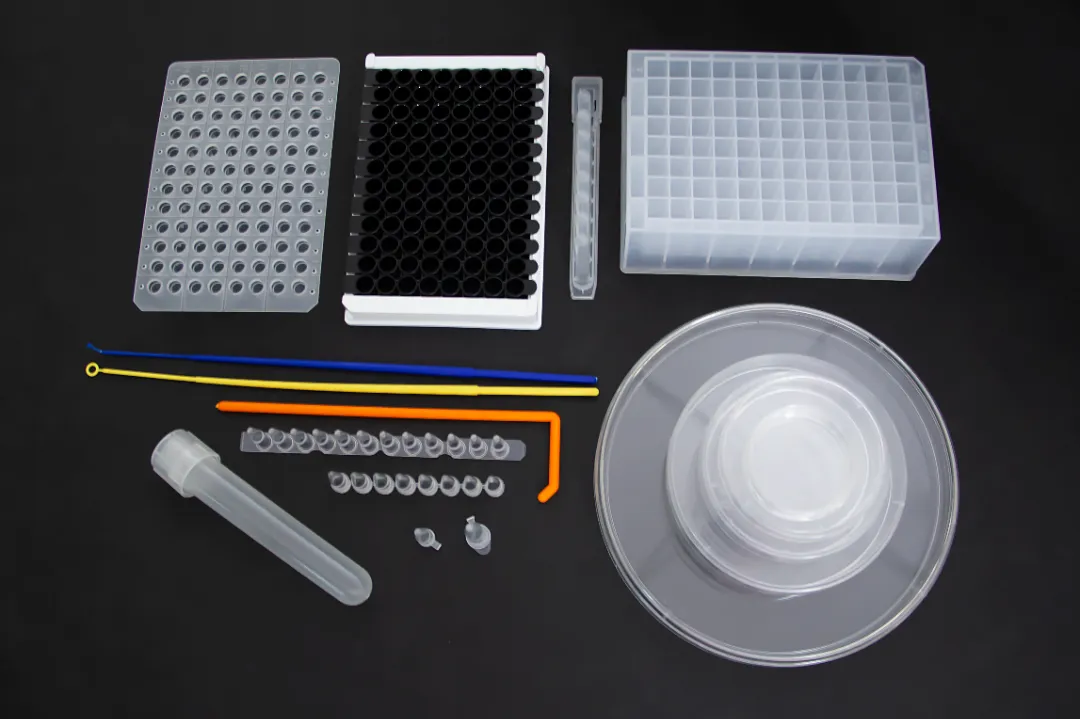
The microbiology product line includes petri dishes, inoculating loops, inoculating needles, and spreaders used in microbial research as well as quality testing in pharmaceutical, cosmetic, food, and beverage industries.
03 Liquid Handling Products
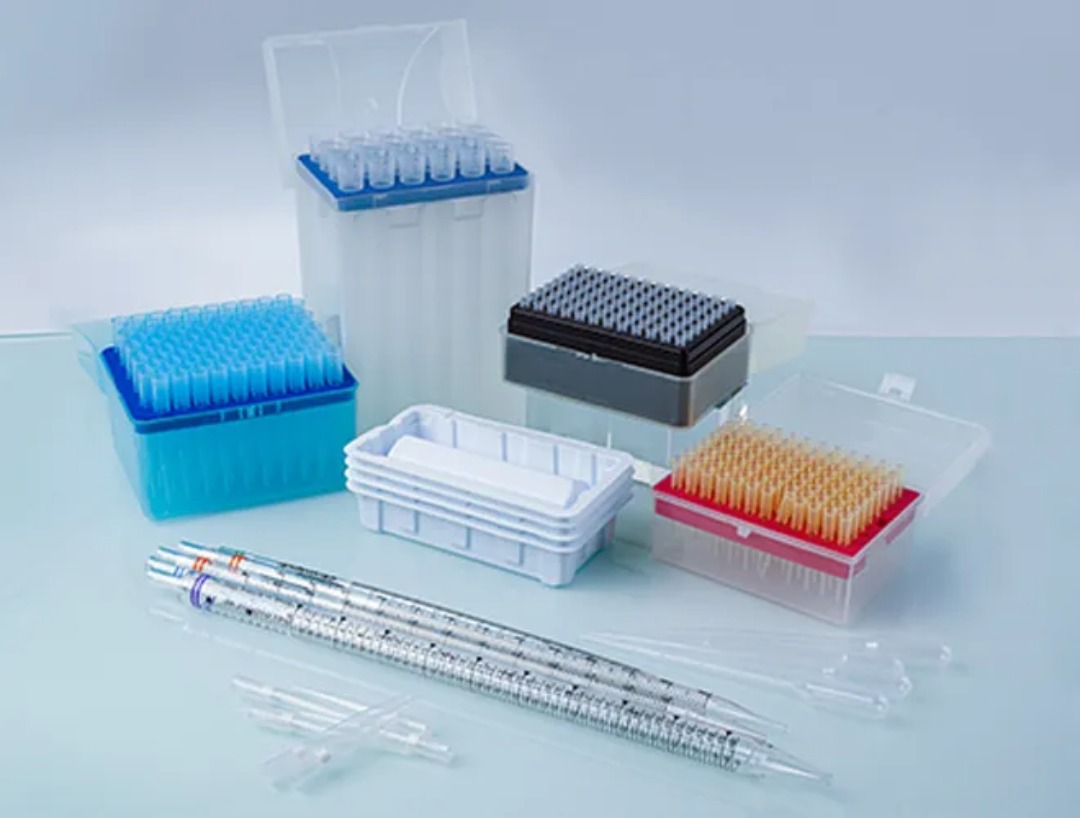
Accurate liquid handling is essential for reproducible laboratory experiments.
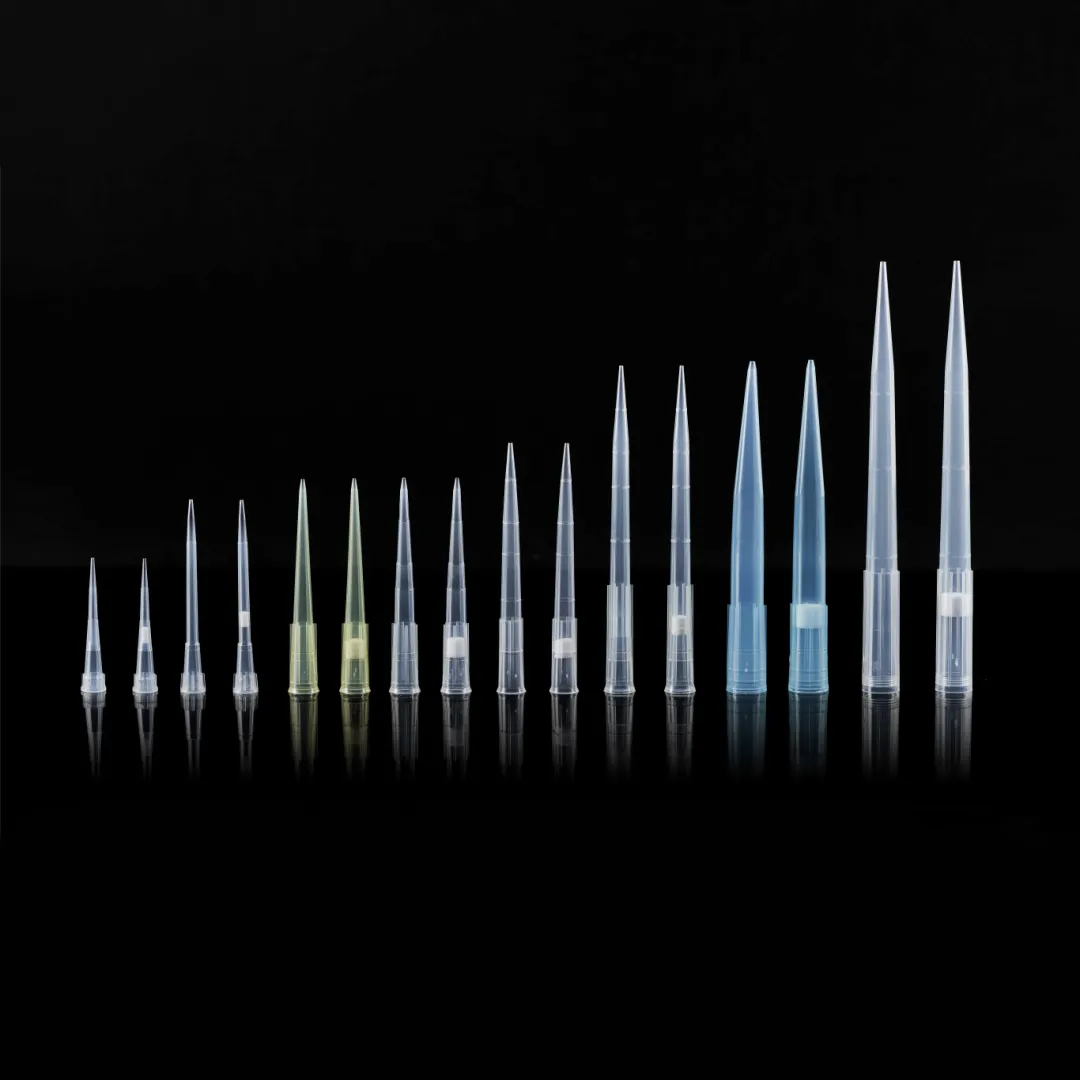
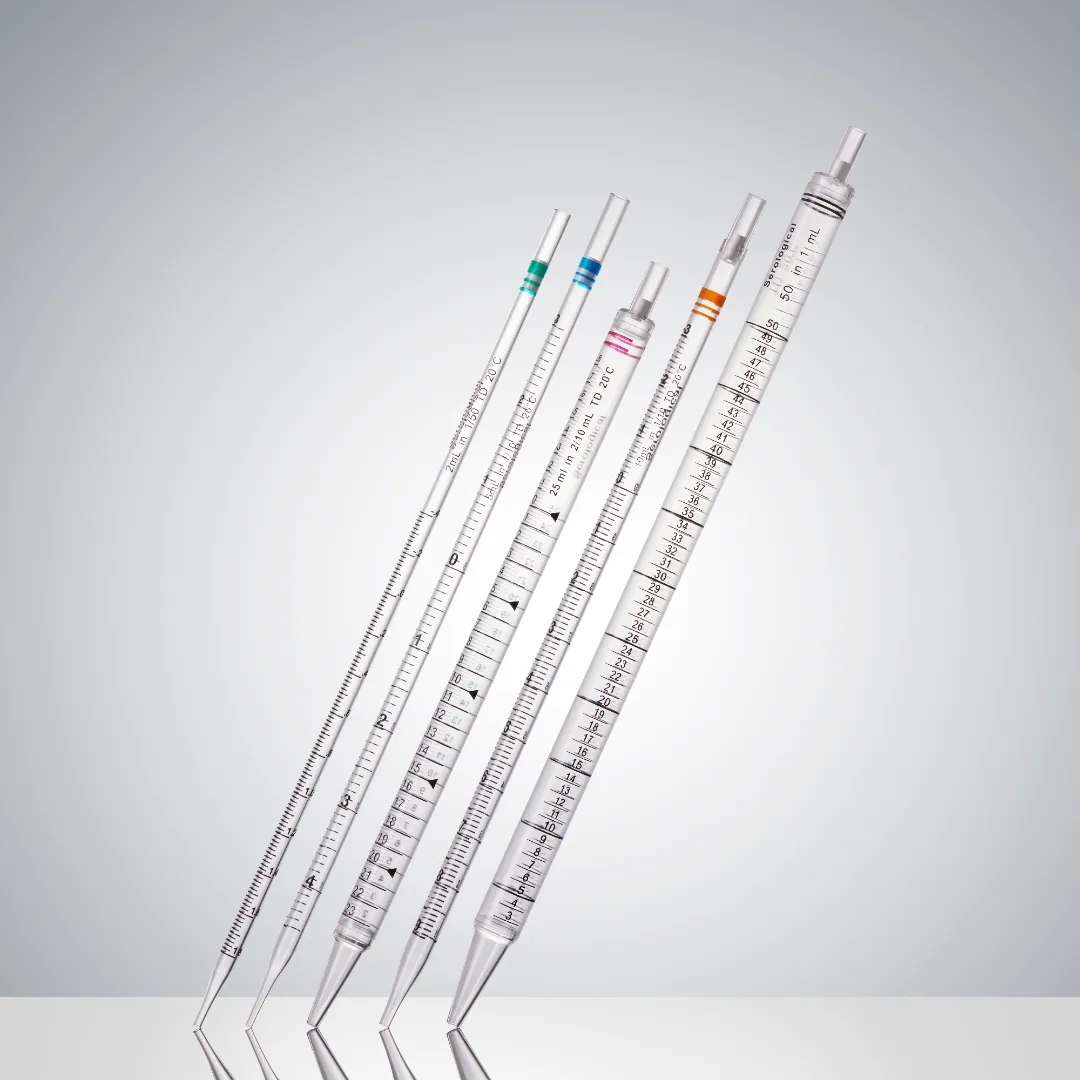
Saining manufactures a complete range of liquid handling consumables compatible with commonly used laboratory pipetting systems, including pipette tips, serological pipettes, Pasteur pipettes, and reagent reservoirs.
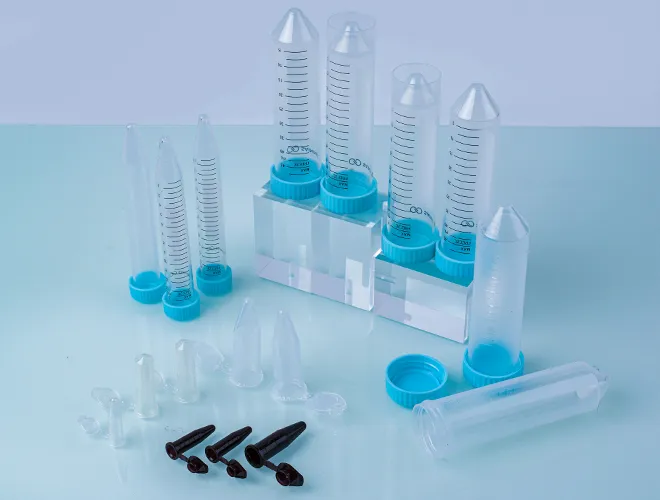
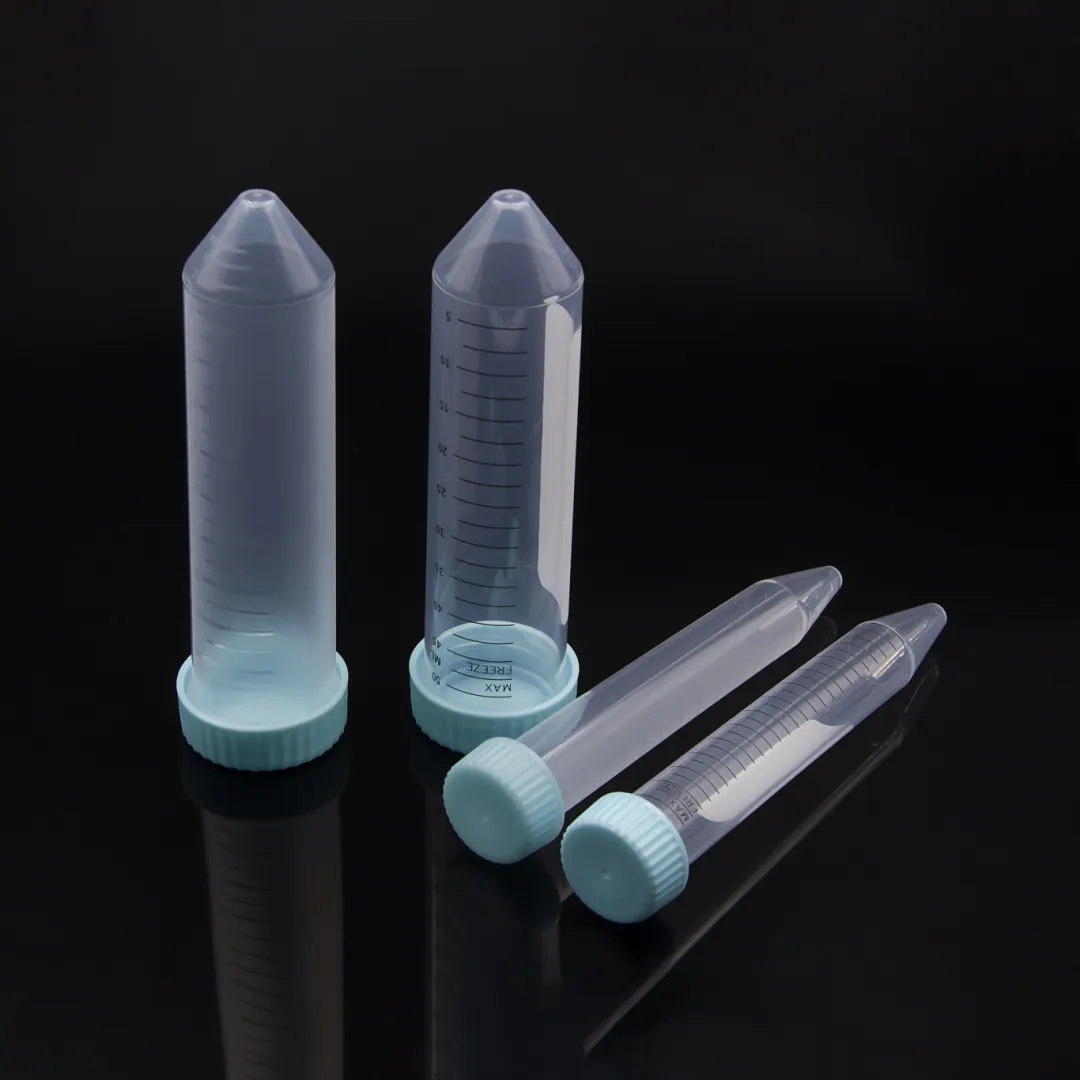
The company also produces centrifuge tubes designed to withstand demanding laboratory conditions.
To verify product consistency, quality control procedures include testing for maximum centrifugal force resistance, graduation accuracy, wall thickness, concentricity, transparency, and sealing performance. These evaluations are conducted to help ensure that the products perform reliably during routine laboratory use.
04 Sample Storage Products
Long-term storage is an important part of biological sample management in both research and clinical laboratories.
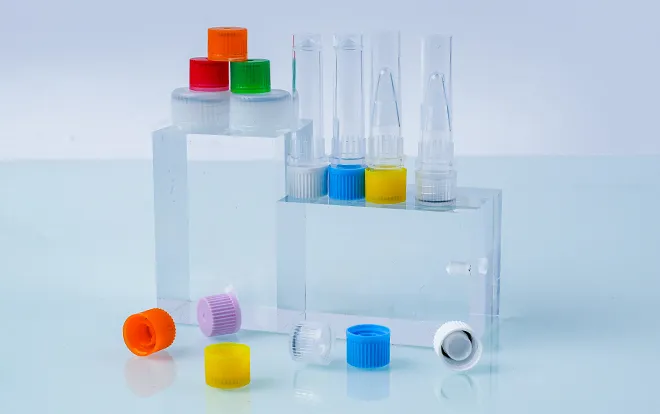
Saining's cryogenic storage products are manufactured using USP Class VI certified medical-grade polypropylene and are intended for the preservation of biological samples, cultured cells, and other laboratory materials under low-temperature conditions.
The cryotube portfolio includes multiple capacities, tube configurations, and cap color options to support different laboratory storage and identification requirements.
Through continuous expansion of its laboratory consumables portfolio, Saining aims to provide researchers with a broader selection of domestically manufactured products while supporting stable procurement across multiple research applications.
International Quality Standards Backed by Consistent Quality Management
- Quality Systems Supporting Reliable Laboratory Consumables
Reliable laboratory consumables begin with consistent manufacturing and rigorous quality management. From product development to final inspection, every stage of production influences the consistency and reproducibility of experimental results.
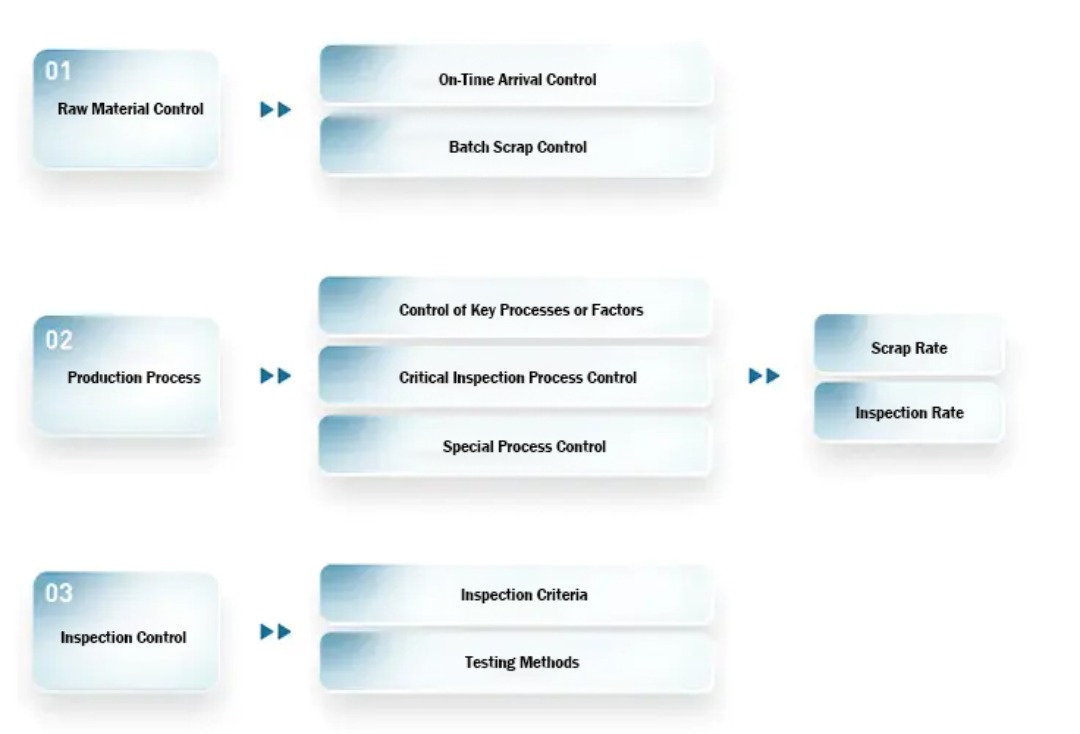
To support these requirements, Saining has established a quality management system supported by dedicated quality control personnel as well as specialized biological and physical testing laboratories. Product quality is monitored throughout the manufacturing process rather than being assessed only after production has been completed.
Each stage—from raw material selection and incoming material inspection to process control, finished product evaluation, and final release—is carried out according to documented quality procedures. This integrated approach helps maintain consistency between production batches while supporting the performance expectations of research laboratories.
The company's manufacturing facilities operate in accordance with internationally recognized quality management standards, including ISO 9001, ISO 13485, CE, and FDA requirements. These certifications demonstrate that manufacturing processes, documentation, traceability, and quality control procedures are managed within established regulatory frameworks.

By combining standardized production with continuous quality monitoring, Saining aims to provide laboratory consumables that meet the requirements of research institutions, biotechnology companies, healthcare organizations, and industrial laboratories worldwide.
- Local Manufacturing for Greater Supply Stability
Recent changes in global trade policies have highlighted the importance of supply chain resilience for laboratory procurement. While international sourcing continues to play an important role in scientific research, localized manufacturing can help reduce uncertainties associated with tariffs, international transportation, customs clearance, and cross-border logistics.
Saining has established an integrated domestic manufacturing and supply chain system covering product development, raw material sourcing, production, quality inspection, warehousing, and distribution. This localized production model shortens transportation routes and provides laboratories with greater flexibility when responding to changing procurement requirements.
In addition to improving supply stability, domestic manufacturing helps reduce several indirect costs commonly associated with imported laboratory consumables. As a result, many routine products are available at less than 40% of the selling price of comparable imported products, providing laboratories with additional options when balancing research budgets and procurement planning.
Rather than replacing every imported product, the company's approach is to expand the availability of high-quality domestic alternatives while strengthening the long-term resilience of laboratory supply chains.
- Controlled Manufacturing Environment
The manufacturing environment plays an essential role in the quality of laboratory consumables, particularly products intended for cell culture, molecular biology, and other contamination-sensitive applications.
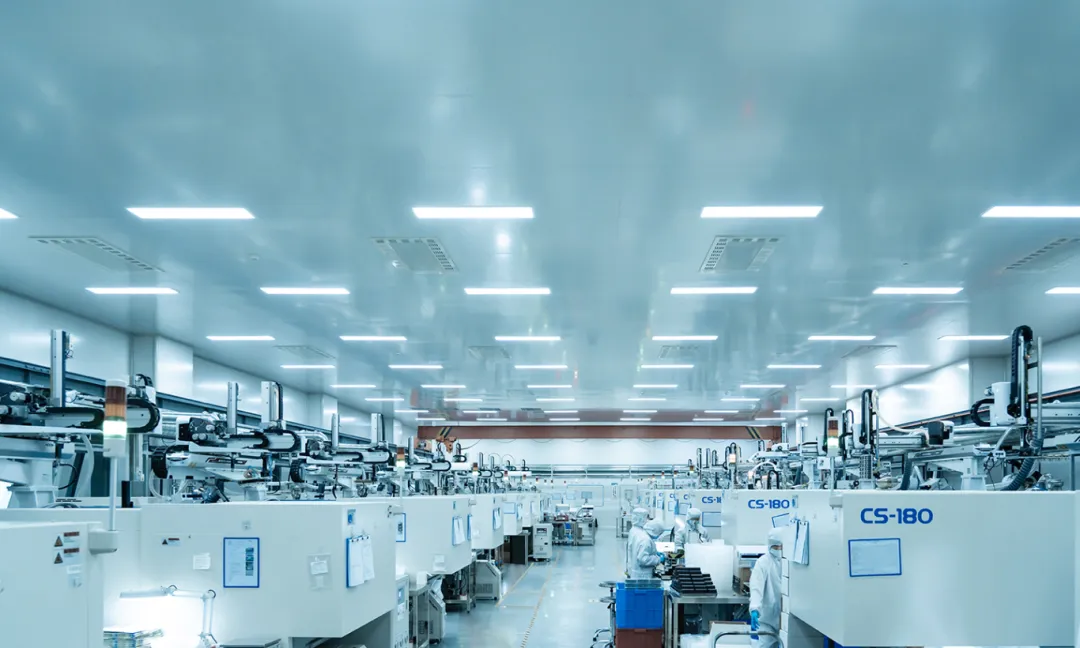
To support these requirements, Saining operates production lines within Class 100,000 cleanroom facilities, where environmental conditions are managed to help minimize airborne particles and potential contamination during manufacturing.
Production activities are performed under standardized operating procedures with process controls applied throughout each manufacturing stage. Equipment calibration, environmental monitoring, production records, and batch traceability are incorporated into routine manufacturing management to support product consistency.
Quality control extends beyond finished product inspection. Throughout production, products undergo multiple verification procedures designed to evaluate dimensional accuracy, appearance, material integrity, sealing performance, and other characteristics relevant to laboratory use.
This combination of controlled manufacturing conditions and documented quality management provides the foundation for consistent production across a broad range of laboratory consumables.
- Validation Through Scientific Research
Product performance is ultimately measured by its application in scientific research.
Saining's laboratory consumables—including chamber slides, cell culture inserts, and glass-bottom confocal culture dishes—have been used in numerous research projects conducted by universities, hospitals, and research institutions.
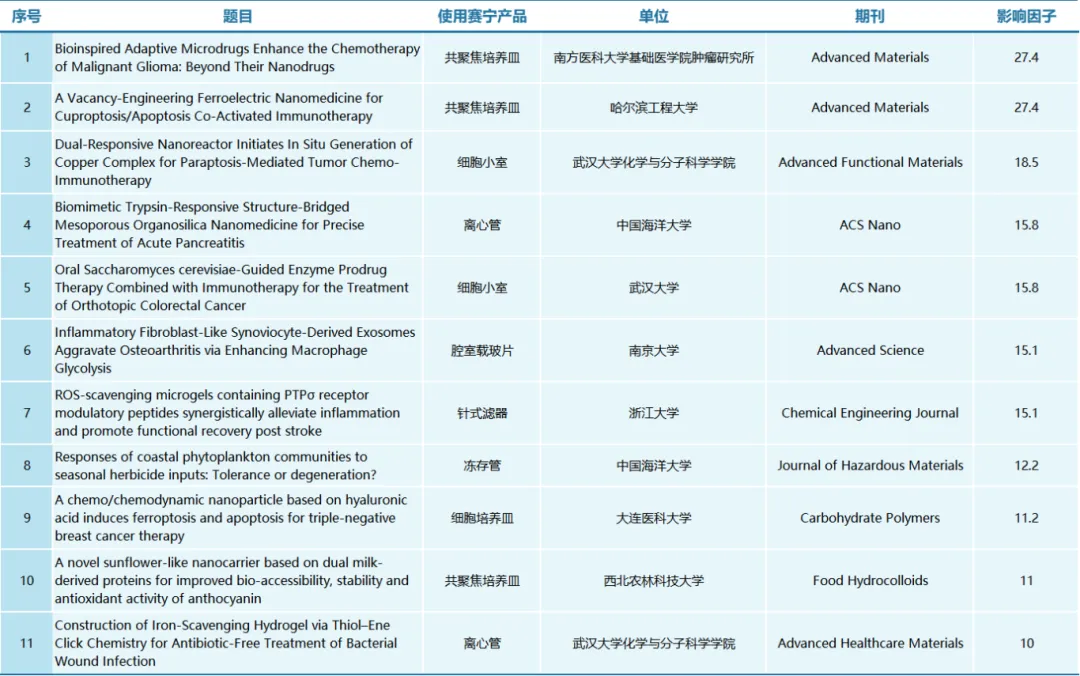
According to the company, these products have supported studies published in internationally recognized scientific journals, including Cell, Nature, and Science. Their use in peer-reviewed research provides additional evidence of product reliability under demanding experimental conditions.
For researchers, published studies offer valuable reference points when selecting laboratory consumables, particularly for experiments requiring reproducibility and long-term consistency. Continued use in academic research also reflects the growing acceptance of domestically manufactured laboratory products within the broader scientific community.
As research requirements continue to evolve, product validation through practical laboratory applications remains an important part of product development. Feedback from research users contributes to ongoing improvements in product design, manufacturing processes, and quality management.
Reliable Supply and Responsive Customer Support
Inventory Available for Immediate Shipment
In research environments, the timely availability of laboratory consumables is often as important as product performance. Delays in material procurement can interrupt experimental schedules, affect project timelines, and increase operational costs.
To help laboratories respond to changing procurement demands, Saining has established an integrated warehousing and logistics system supported by production capacity designed to maintain inventory across a broad range of standard laboratory consumables.
Keeping frequently used products in stock enables researchers to obtain essential consumables more quickly while reducing the uncertainty associated with international transportation and extended delivery cycles.
Efficient Order Processing and Delivery
For products available from inventory, orders are processed and dispatched on the same day whenever possible.
For customized products, manufacturing, quality inspection, and logistics are coordinated through an integrated production workflow to shorten lead times while maintaining established quality standards.
This approach allows research institutions, biotechnology companies, and industrial laboratories to plan procurement more effectively, particularly for projects operating under fixed schedules or time-sensitive research programs.
Technical Support Throughout the Research Process
Selecting laboratory consumables often involves more than choosing product specifications. Researchers may also require guidance on product selection, experimental compatibility, application recommendations, or technical documentation.
Saining provides technical support through a dedicated service team that works with customers throughout the purchasing and application process.
According to the company's service standards, technical inquiries receive an initial response within two hours, while practical recommendations or proposed solutions are typically provided within 24 hours, depending on the nature of the request.
By combining technical assistance with manufacturing and supply capabilities, the company aims to support laboratories beyond product delivery alone.
Supporting Research Through Local Innovation
Changes in global trade policy continue to reshape the way research organizations evaluate laboratory procurement. Rising tariffs, transportation uncertainty, and evolving supply chain conditions have encouraged many institutions to diversify their sourcing strategies while placing greater emphasis on long-term supply stability.
Within this changing environment, the development of domestically manufactured laboratory consumables has become an important part of strengthening research infrastructure.
Saining believes that reliable laboratory consumables are built on more than manufacturing capacity alone. Consistent product standards, continuous technological development, careful material selection, and a thorough understanding of laboratory applications all contribute to dependable research performance.
To support these objectives, the company has established an integrated research and development system spanning raw material development, manufacturing process optimization, application validation, and product improvement. This vertically integrated approach enables closer coordination between product design, production, and practical laboratory use.
From traceability of raw materials and process control to intellectual property development and continuous product refinement, Saining continues to expand its capabilities across the laboratory consumables supply chain.
As life science research continues to evolve, the company remains focused on providing laboratories with stable, high-quality consumables while contributing to a more resilient and diversified global supply ecosystem.




 中文简体
中文简体 English