



 中文简体
中文简体 English
Cell Strainer Factory


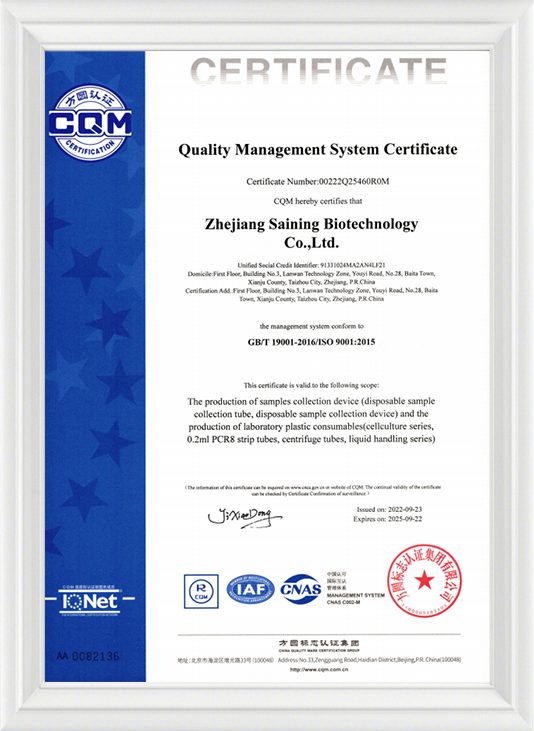
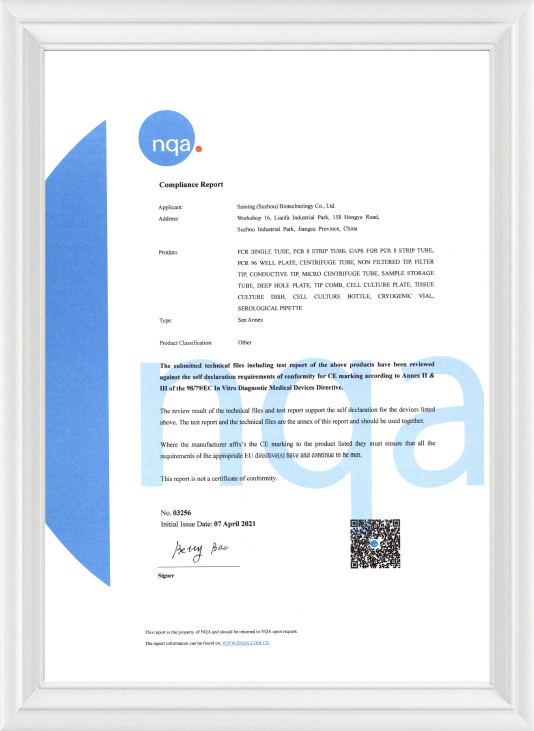
Since its establishment, the company has developed rapidly and now has a 100,000-level purification workshop of 15,000 square meters, a factory area of 30,000 square meters, a Suzhou technology research and development center, a Suzhou production base and a Taizhou production base. The main products include cell culture, biological detection liquid processing, medical equipment, safety protection, etc., which can be widely used in testing institutions (IVD), biological research, medical treatment, new drug research and development, laboratory scientific research and other fields. The product has performance and high quality. After testing by third-party testing agencies and relevant scientific research units, it has the ability to replace high-quality imported products.
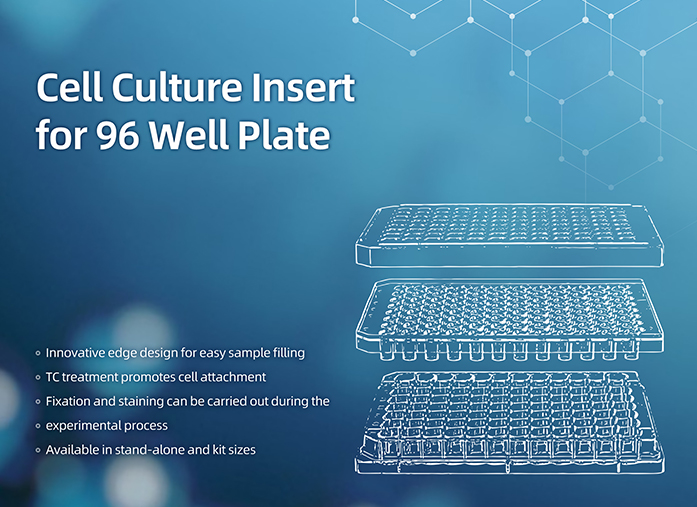
-
A plate that meets every dimensional and sterility specification on paper can still arrive compromised if the packaging ...

-
A distributor sourcing plates for an IVD assay developer often assumes that every 96-well format matching the standard 8...
Cell Strainer Industry Knowledge
What is a Cell Strainer?
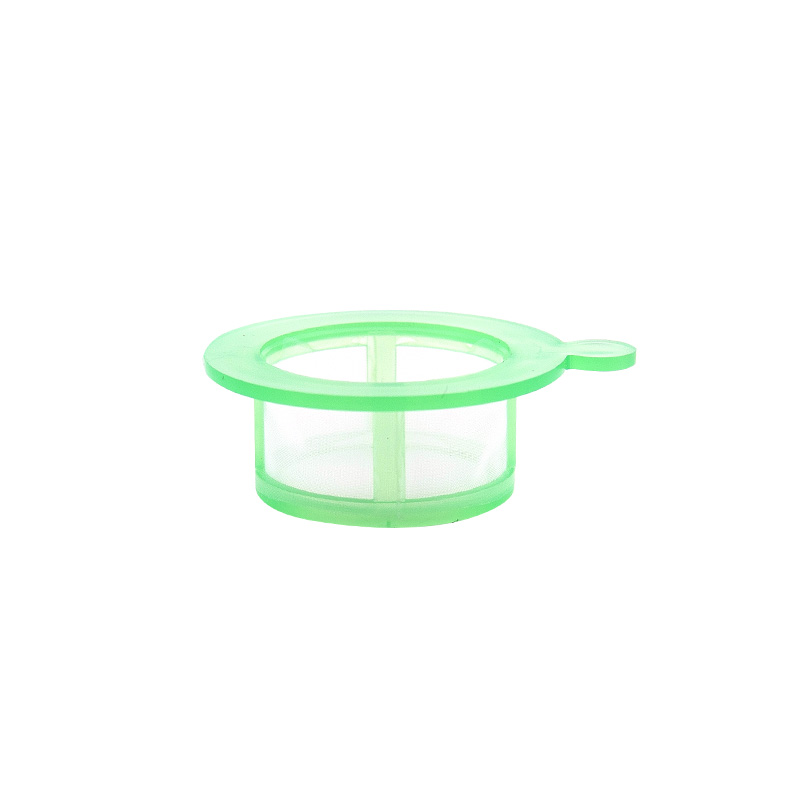
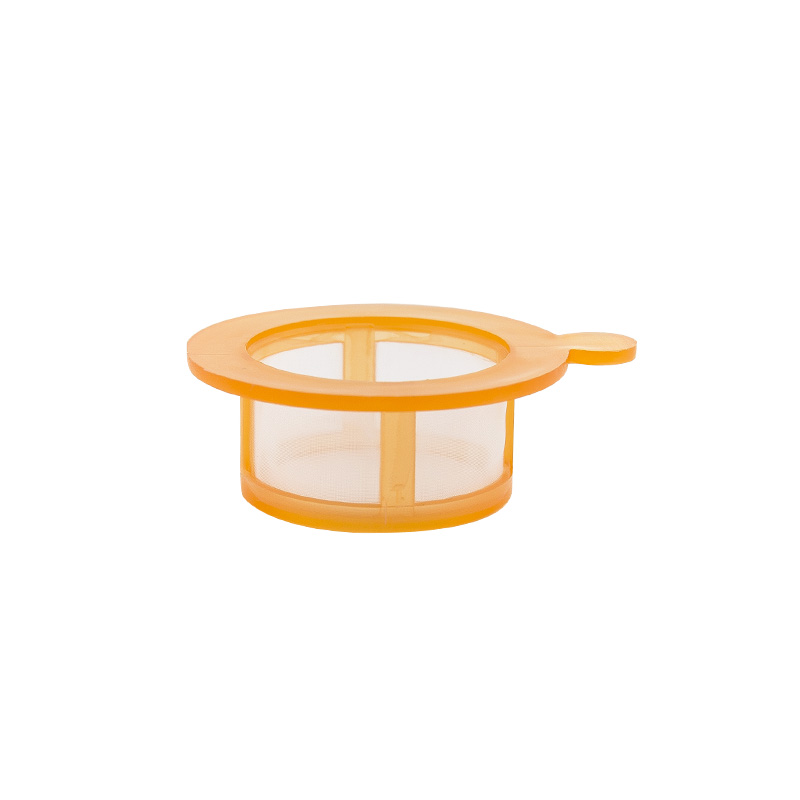
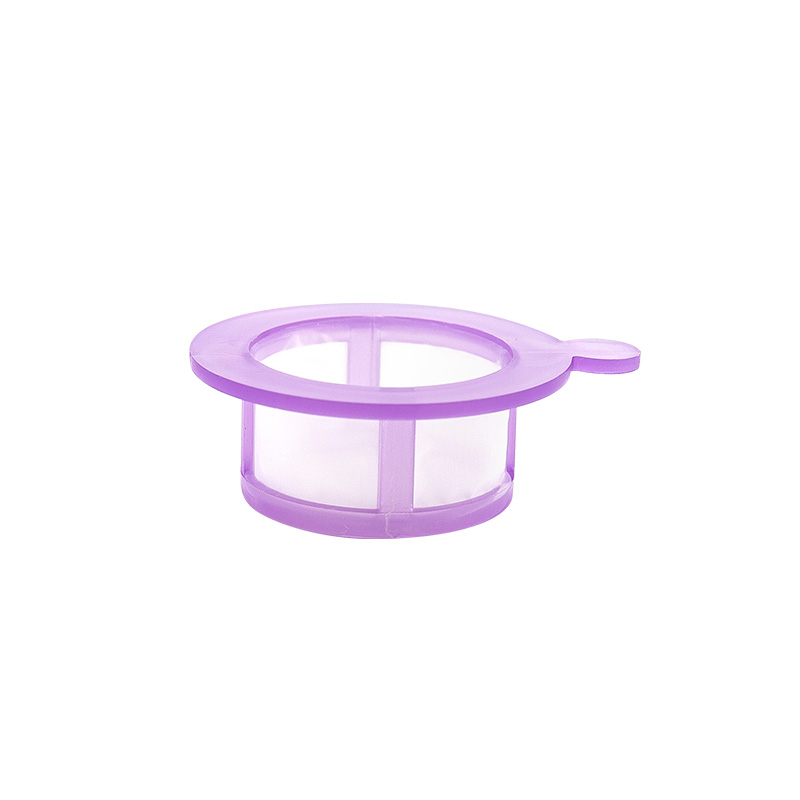
A Cell Strainer is a laboratory consumable designed to remove large debris, tissue fragments, or cell clumps from a suspension, allowing only single cells or small aggregates to pass through a mesh or membrane. Typically, it consists of a plastic funnel or tube with a fixed porous membrane at the bottom, through which the cell suspension is passed by gravity or gentle centrifugation. In research labs and in vitro diagnostics (IVD) settings, Cell Strainers are often used after tissue digestion or mechanical dissociation, when preparing single‑cell suspensions for downstream applications such as flow cytometry, cell counting, or culture. By excluding unwanted larger particles, they help produce cleaner, more uniform samples — reducing the risk of clogging pipettes, filters, or instruments downstream.
Role of Cell Sieve in Sample Preparation
The term Cell Sieve is sometimes used interchangeably with Cell Strainer, though it can imply a slightly different usage context. A Cell Sieve may refer to more open, larger‑pore meshes typically used for coarse filtration: for example, removing fat, connective tissue remnants, or clumps from organ homogenates, digestive suspensions, or environmental samples before finer processing. In tissue dissociation protocols, a Cell Sieve helps ensure that only cells (rather than undigested fragments) proceed to enzymatic treatment or final filtration. This initial sieving reduces sample heterogeneity, improves reproducibility, and lowers the risk of accidental cell damage during further handling. For labs dealing with primary tissues, environmental samples, or heterogeneous suspensions, incorporating a Cell Sieve step improves workflow consistency.
When to Use a Cell Filter in Laboratory Workflows
A Cell Filter generally refers to a consumable that provides fine filtration — often via membranes with defined pore sizes — to remove not only large debris but also smaller particulates, cell aggregates, or contaminants (e.g., fine tissue dust, apoptotic bodies, or non‑cellular fragments). In many workflows, a Cell Filter is used after enzymatic digestion of tissues, after lysis steps, or prior to nucleic acid extraction, flow cytometry, or culture. In IVD workflows, Cell Filters help ensure that analyte-containing cells or particles are isolated from potential inhibitors or debris that could interfere with downstream assays. In cell culture or single‑cell isolation, a Cell Filter can improve the purity and viability of the resulting suspension. In short, when clarity, sterility, and consistency matter — and when even sub‑visible debris may cause problems — a Cell Filter becomes essential.
Choosing Pore Size for Cell Strainer / Cell Sieve / Cell Filter
The selection of pore size is a critical decision when using Cell Strainers, Sieves or Filters. Pore size determines which particles will be retained and which will pass through; mismatched pore size can prominent to loss of desired cells or retention of unwanted debris. Common pore sizes in general‑purpose cell strainers and filters range from 40 µm to 100 µm, with 70 µm being widely used for many mammalian cell suspensions. For applications involving larger cells (e.g., some primary immune cells, cultured stem cells) or cell clusters, 100 µm may suffice. For smaller cells (e.g., yeast, bacteria, small mammalian cells) or to maximize single‑cell separation, 40 µm or even 30 µm filters may be chosen. In tissue digestion workflows, using a coarse mesh (Cell Sieve), followed by a finer Cell Filter, provides better results: large debris is removed one, then smaller fragments and clumps. In IVD or molecular workflows, pore size selection must also consider compatibility with downstream instruments (e.g., flow cytometers, centrifuges) to avoid clogging.
Material and Sterility Options for Cell Strainer and Cell Filter
Cell Strainers, Cell Sieves, and Cell Filters are typically manufactured from medical‑grade plastics (e.g., polypropylene, polystyrene) with membranes made of nylon, polyester (PET), polycarbonate (PC) or other polymers. The choice of membrane material affects parameters like chemical compatibility, binding of proteins or nucleic acids, and mechanical strength. For sterile workflows — especially in IVD, cell culture, and molecular biology — it is common to supply these consumables pre‑sterilized using gamma irradiation or electron beam. Sterile Single‑Use Cell Strainers/Filters less cross‑contamination risk and simplify compliance with laboratory biosafety protocols. For non‑sterile coarse sieving (e.g., environmental samples, tissue homogenates), non‑sterile options may be acceptable. Offering both sterile and non‑sterile versions helps labs balance cost and biosafety requirements.
Handling and Quality Considerations in IVD and Cell Culture Applications
When integrating Cell Strainers, Sieves, or Filters into workflows related to IVD, cell culture, or molecular diagnostics, several quality and handling factors deserve attention:
- Avoiding cross‑contamination: Use single‑use disposable strainers/filters or rigorously sterilize reusable ones.
- Consistent flow dynamics: Gentle pipetting or gravity filtration is preferred; aggressive vacuum or pressure can damage cells or compromise membrane integrity.
- Validation of cell recovery and viability: After filtration, assess cell count and viability to ensure a small loss — important in sensitive applications like cell therapy research or diagnostic sample prep.
- Documentation for traceability: Record lot numbers, sterilization method, and storage conditions — particularly important in regulated IVD or clinical research contexts.
- Compatibility with downstream protocols: Ensure the filter's materials do not adsorb proteins or nucleic acids used later in assays (e.g., for ELISA, PCR, sequencing).
By highlighting these considerations, labs can maintain reliable, reproducible results when using these consumables.
Cleaning, Reuse and Disposal Practices for Cell Filter Devices
Though many laboratories prefer single‑use disposable filters for sterility and convenience, some workflows may call for reuse — especially in non‑sterile sample prep (e.g., environmental sampling). In those cases:
- Cleaning: Use appropriate detergents followed by thorough rinsing. Avoid harsh solvents that may degrade the membrane.
- Sterilization: Methods such as autoclaving may be incompatible with certain filter materials. Instead, use low‑temperature sterilization (e.g., ethylene oxide) if compatible.
- Inspection before reuse: Check for membrane integrity (no holes or tears), check for clogged pores.
- Proper disposal: For single‑use filters used with biohazardous or clinical samples, treat them as biological waste — according to biosafety and regulatory guidelines.
By clearly documenting and following cleaning or disposal procedures, labs uphold safety and data integrity standards.

