



 中文简体
中文简体 English
Syringe Filter Factory

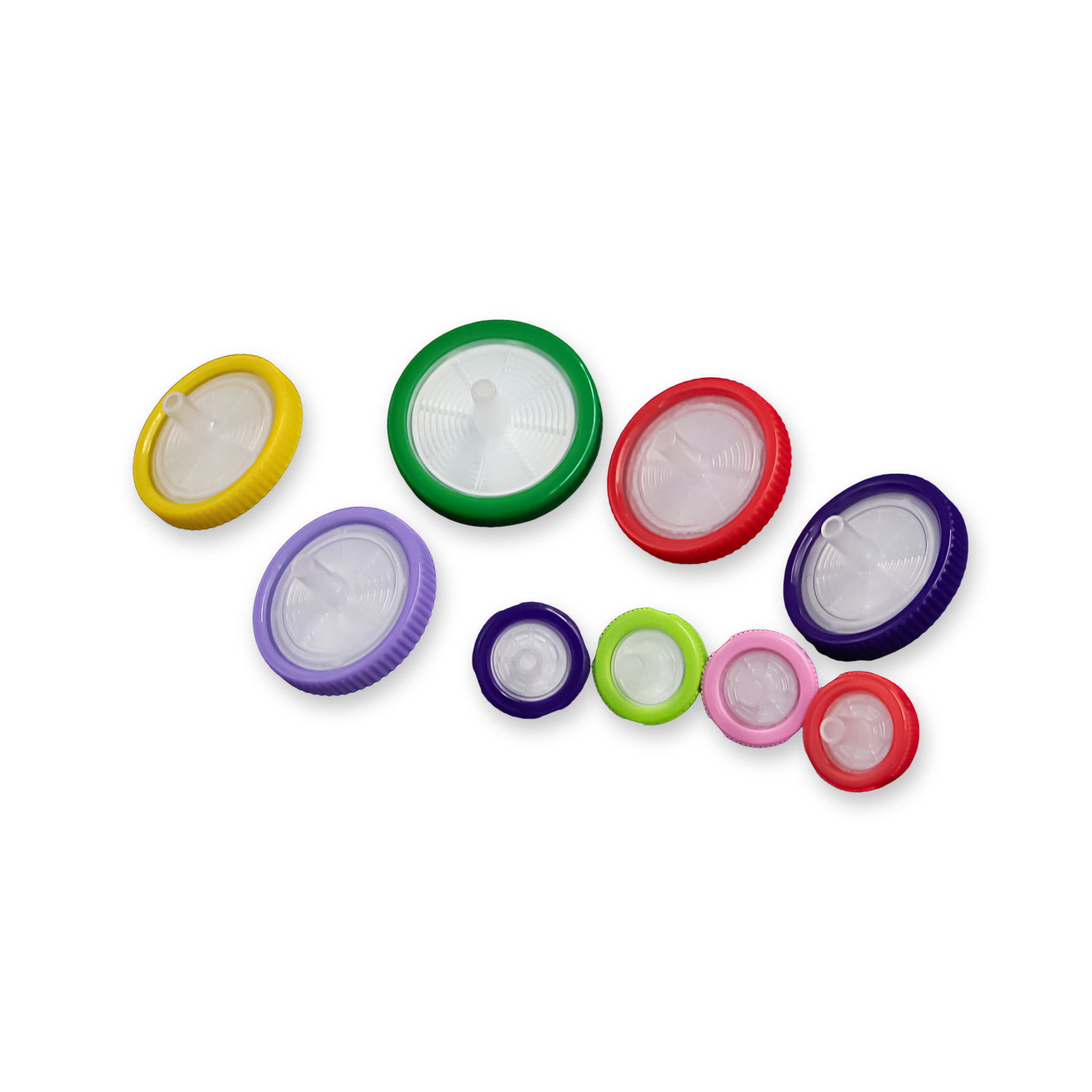

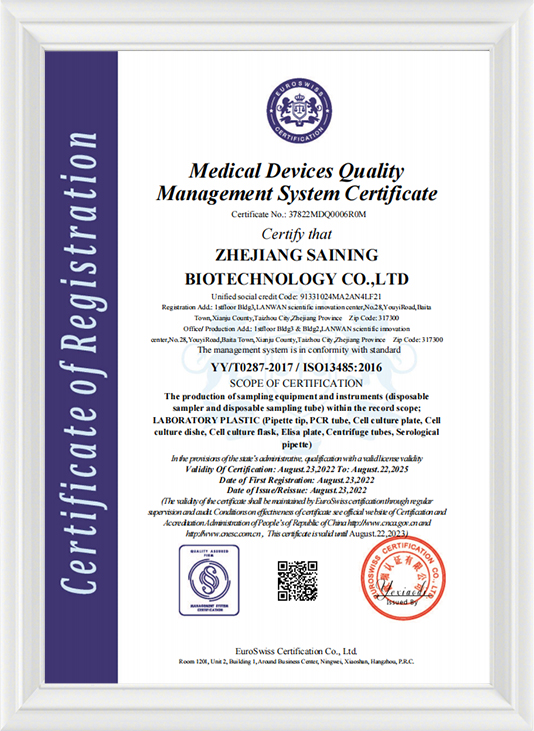
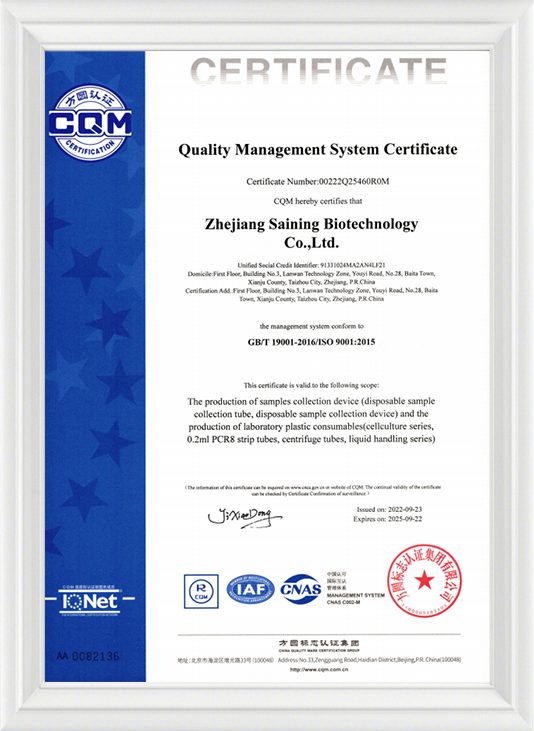
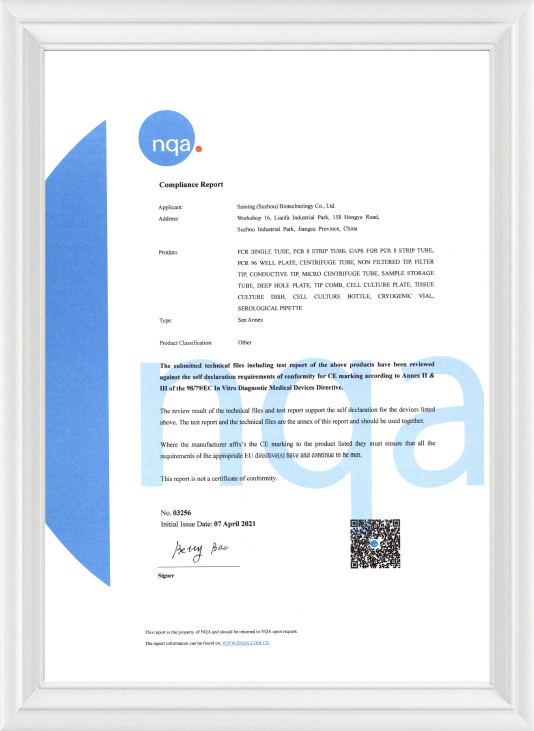
Since its establishment, the company has developed rapidly and now has a 100,000-level purification workshop of 15,000 square meters, a factory area of 30,000 square meters, a Suzhou technology research and development center, a Suzhou production base and a Taizhou production base. The main products include cell culture, biological detection liquid processing, medical equipment, safety protection, etc., which can be widely used in testing institutions (IVD), biological research, medical treatment, new drug research and development, laboratory scientific research and other fields. The product has performance and high quality. After testing by third-party testing agencies and relevant scientific research units, it has the ability to replace high-quality imported products.
-
Clear reading of liquid volume marks may seem like an easy task, but technicians and scientists often struggle when work...

-
Pipetting accuracy is a cornerstone of reliable lab work, whether you are transferring reagents into microplates or deca...
Syringe Filter Industry Knowledge
What is a Syringe Filter?
A Syringe Filter is a small, disc-shaped membrane housed inside a plastic casing designed to attach directly to a syringe. The primary function of the syringe filter is to remove particulates, microbes, or cellular debris from liquids as they pass through the membrane under gentle pressure. By connecting the filter to the syringe and pushing the sample through, users can clarify or sterilize fluids, making them suitable for downstream applications in laboratories, clinical diagnostics, or research settings. Syringe filters are valued for their ease of use, small sample loss, and capacity to deliver reliable filtration without complex equipment.
Sterile Syringe Filter: Ensuring Clean and Safe Filtration
A Sterile Syringe Filter refers to a syringe filter that has been manufactured, packaged, and sterilized—typically by gamma irradiation, ethylene oxide, or autoclaving—so that the filter membrane and housing are free from viable microorganisms at the point of use. Such sterility provides confidence when filtering sensitive solutions: biological samples, cell culture media, or reagents destined for in vitro diagnostics (IVD) or cell-based assays. Sterile filtration helps reduce the risk of contamination, which can compromise experiments, diagnostic tests, or product safety. In clinical workflows or quality-controlled lab settings, sterile syringe filters are often regarded as essential components of a contamination control strategy.
Disposable Syringe Filter: Convenience, Safety, and Reduced Cross‑Contamination
A Disposable Syringe Filter is, by design, a single-use filter: once a sample has been passed through, the filter is discarded rather than cleaned and reused. Disposable filters are commonly used when handling biological fluids, hazardous reagents, or any sample with potential for contamination. Their single-use nature helps avoid cross-contamination between samples, a critical concern in clinical diagnostics, cell culture, and molecular biology workflows. Additionally, disposables eliminate the need for cleaning, sterilization, or validation steps between uses—saving time, reducing labor, and minimizing risk.
Materials, Pore Sizes, and Membrane Options
Syringe filters come in a variety of membrane materials and pore sizes to meet diverse application requirements. Common membrane materials include:
- Cellulose acetate (CA): low protein binding, suitable for aqueous solutions.
- Polyethersulfone (PES): broad chemical compatibility and low protein binding, making it suitable for buffers, culture media, or biological samples.
- Nylon: broad chemical resistance, usable with many solvents and aqueous solutions, though may bind certain proteins.
- Polytetrafluoroethylene (PTFE): resistant to organic solvents, acids, and bases — often used in chemical synthesis or solvent-based sample prep.
Typical pore sizes range from 0.1 µm to 0.45 µm for sterilizing-grade filtration (e.g., removing bacteria), while 0.2 µm or 0.22 µm are more frequently employed when preparing solutions for sterile media or reagent use. Larger pore sizes (e.g., 0.45 µm or even 1.2 µm) may be used when removing debris or cellular clumps without sterility as the main goal.
Key Applications of Syringe Filters
1. In Vitro Diagnostics (IVD): Filtering serum, plasma, or other biological fluids prior to immunoassays or biochemical tests to remove particulates that might interfere with detection or instrument performance.
2. Cell Culture and Biological Research: Sterile filtration of culture media, buffers, or reagents to ensure media are free of contaminants before adding to cells; clarification of conditioned media; filtration of virus-containing solutions; preparation of sterile solutions for downstream applications.
3. Molecular Biology and Sample Preparations: Removal of particulate matter prior to nucleic acid isolation, chromatography, or HPLC; preparation of clean samples for spectrophotometry or other analytical techniques.
4. Chemical and Pharmaceutical Workflows: Filtration of solvents, buffers, or drug formulations to ensure clarity or to remove particulates before further processing or analysis.
Selection Considerations for Syringe Filters
When selecting a syringe filter for a given application, several factors should be evaluated carefully:
- Membrane material compatibility: Ensure the filter membrane is chemically compatible with the sample (aqueous solutions, solvents, acids, bases, etc.).
- Pore size: Choose a pore size appropriate to the goal — e.g., 0.2 µm or 0.22 µm for sterilization, larger pores for debris removal.
- Sterility requirement: For cell culture, IVD, or sample prep for downstream assays, sterile filters are preferred; for non‑sterile workflows, non-sterile disposables may suffice.
- Hold-up volume / dead volume: Some filters retain small volumes of liquid internally, which may reduce yield for precious or low-volume samples. Filter design and size should be considered accordingly.
- Sample volume and flow rate: Larger-volume filters or low dead-volume designs are more suitable when processing high volume or viscous fluids.
- Single-use vs reusable: Disposable filters have less risk of cross‑contamination and eliminate cleaning—especially important in regulated environments or workflows handling biological or hazardous materials.
Ideal Practices for Using Syringe Filters
- Always use a sterile syringe and sterile gloves when handling sterile filters or biological samples.
- Pre-wet the membrane with compatible solvent or buffer when filtering viscous or protein-rich solutions to improve flow and reduce loss.
- Avoid excessive pressure on the syringe plunger — gentle, steady pressure reduces risk of damaging the membrane or compromising sterility.
- Discard the filter immediately after use, especially if filtering biological fluids or hazardous reagents — never attempt to reuse.
- Label the filtered sample appropriately, and if necessary, store under suitable conditions (e.g., refrigerated or frozen) depending on downstream use.
Quality, Regulatory and Documentation Considerations
Because syringe filters are often used in contexts related to diagnostics, pharmaceutical research, or cell culture, maintaining consistent quality is critical. For sterile filters, manufacturers often implement sterile packaging, batch-level sterility assurance, and traceability (lot number, expiration date). For materials intended for biological use, it may be appropriate to assess membrane biocompatibility, leachables, and extractables — especially when filtered solutions will contact cells or be used in assays. Good manufacturing practices and proper documentation supporting sterility and material safety contribute to regulatory compliance and customer assurance.
Storage, Shelf-life, and Handling
Syringe filters — especially sterile disposables — should be stored in a clean, dry environment, ideally at ambient temperature, away from direct sunlight and excessive humidity. Do not open packaging until ready to use. Once opened, use filters promptly to maintain sterility. Expired filters (beyond the indicated shelf-life) should not be used for sterile or critical applications, as membrane integrity or sterility may degrade over time.

