



 中文简体
中文简体 English
Custom Transwell Insert
Cell culture consumables are essential tools used in biological laboratories for cell cultivation. These consumables include cell culture dishes, cell culture plates, cell culture bottles, and cell culture chambers.
The successful cultivation of cells in vitro requires the accurate simulation of the in vivo environment of the relevant cell types. For cell culture cells, the surface condition of the culture vessel is particularly important because many cell types can only survive, proliferate, and differentiate following successful adhesion.
To meet the diverse needs of different cell types, we offer cell culture consumables with various growth surfaces, including untreated TC surfaces, TC-treated surfaces, ultra-low attachment surfaces, and protein-coated surfaces.

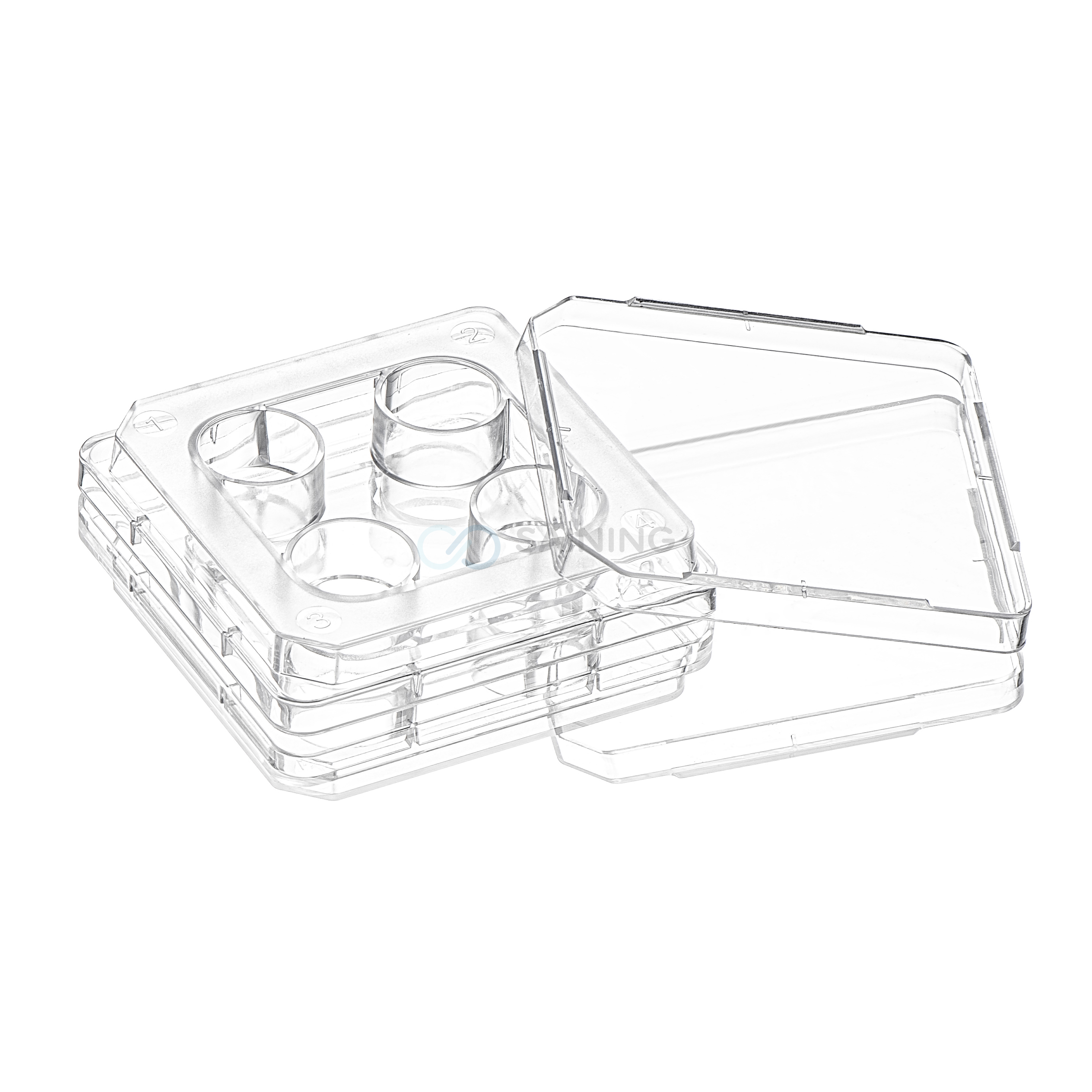
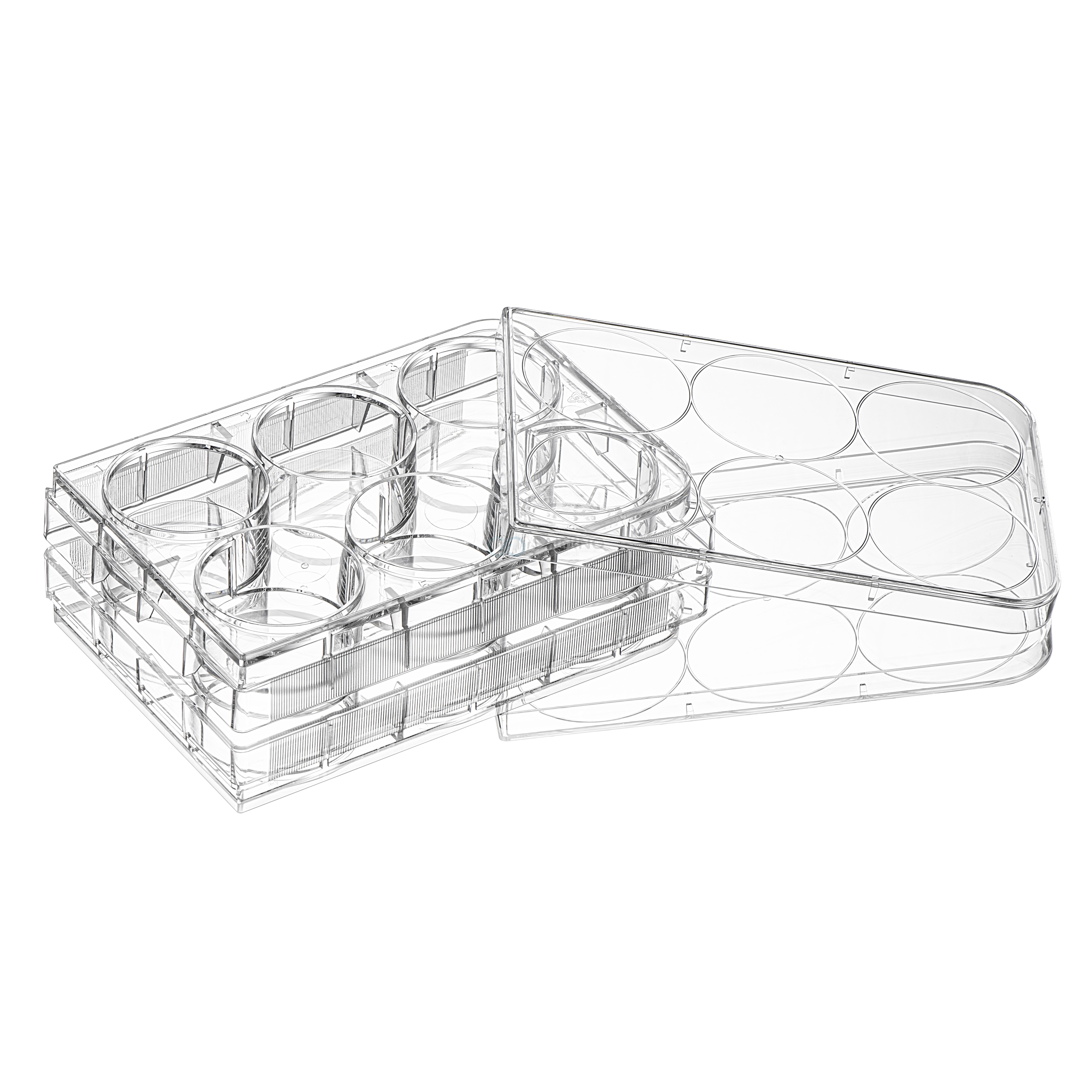
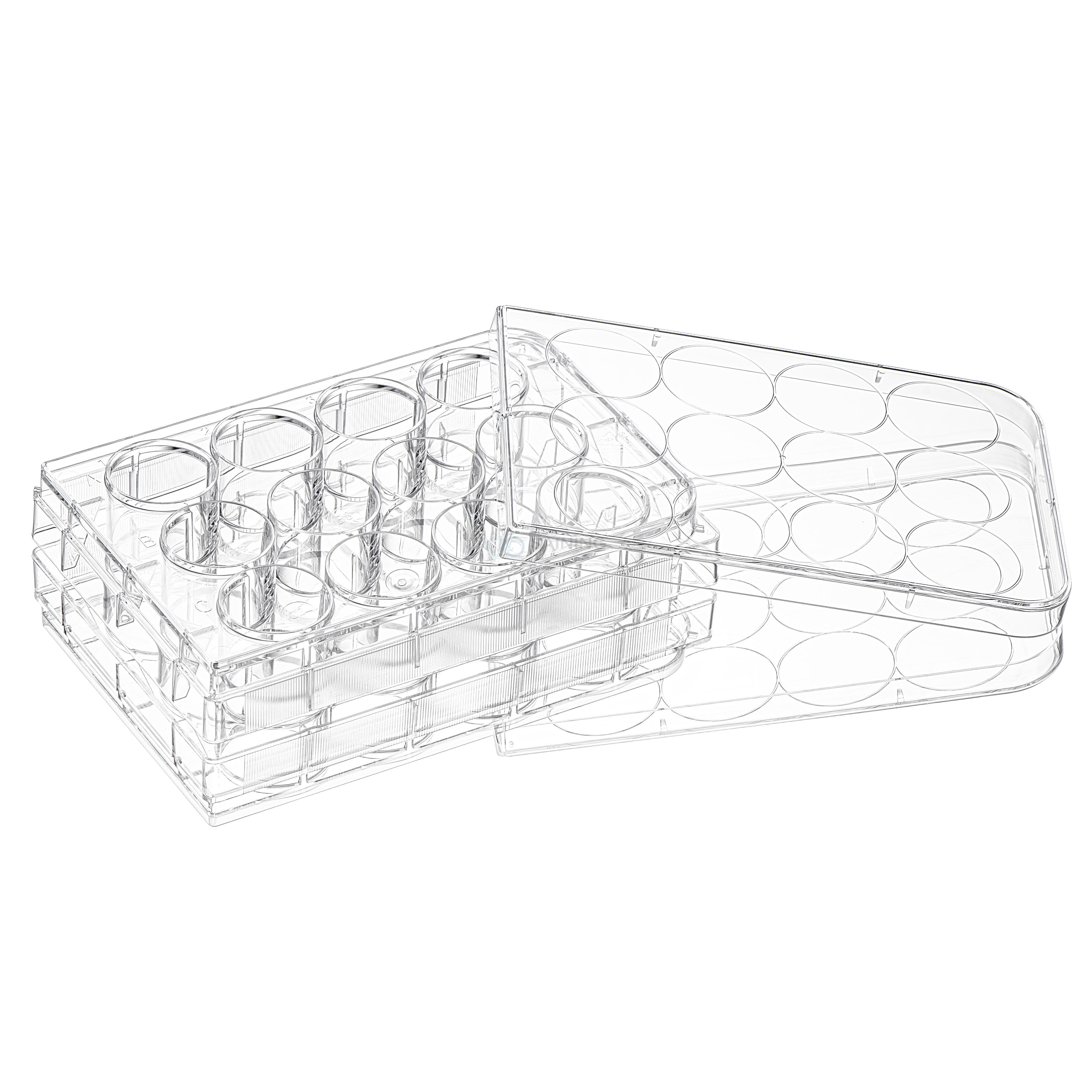
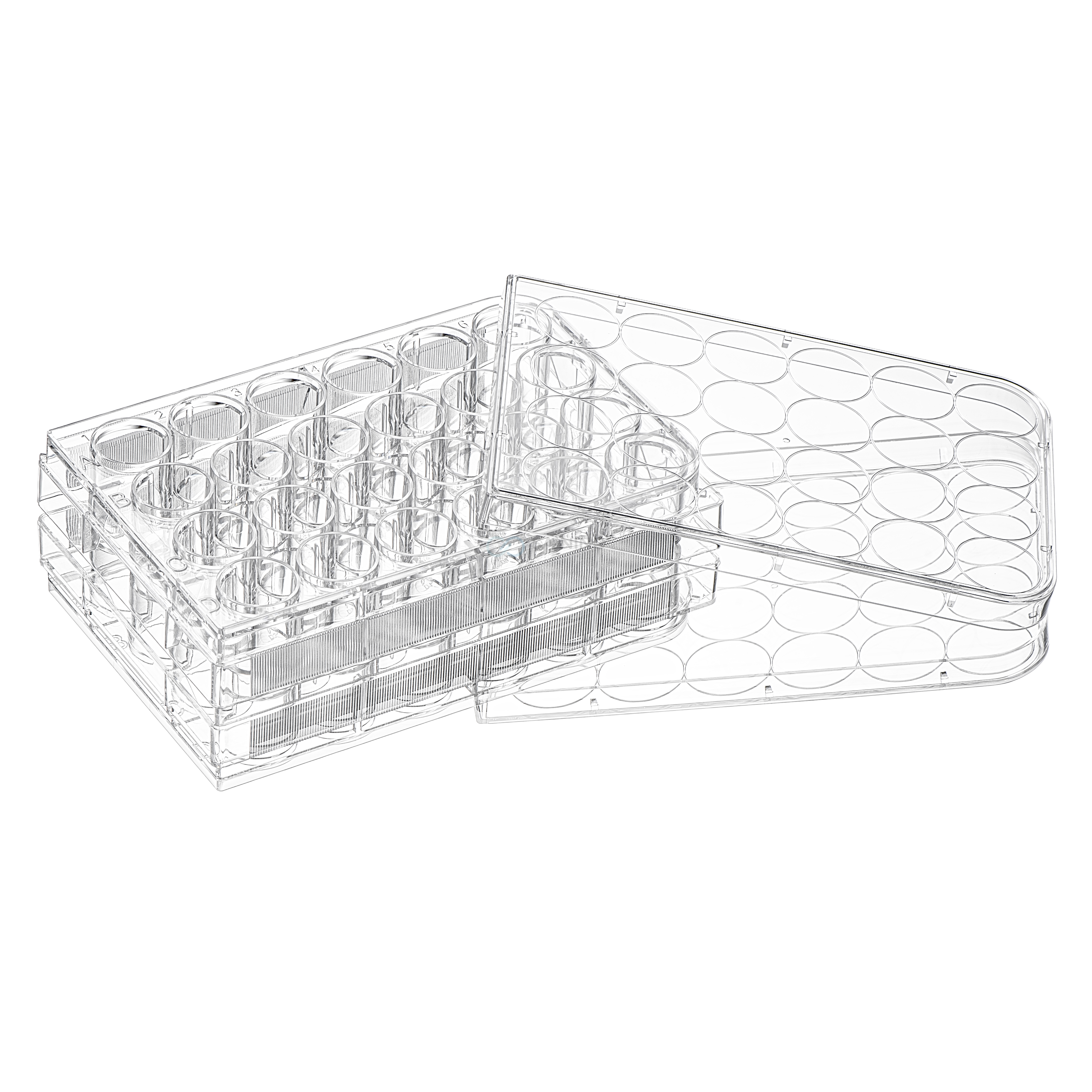
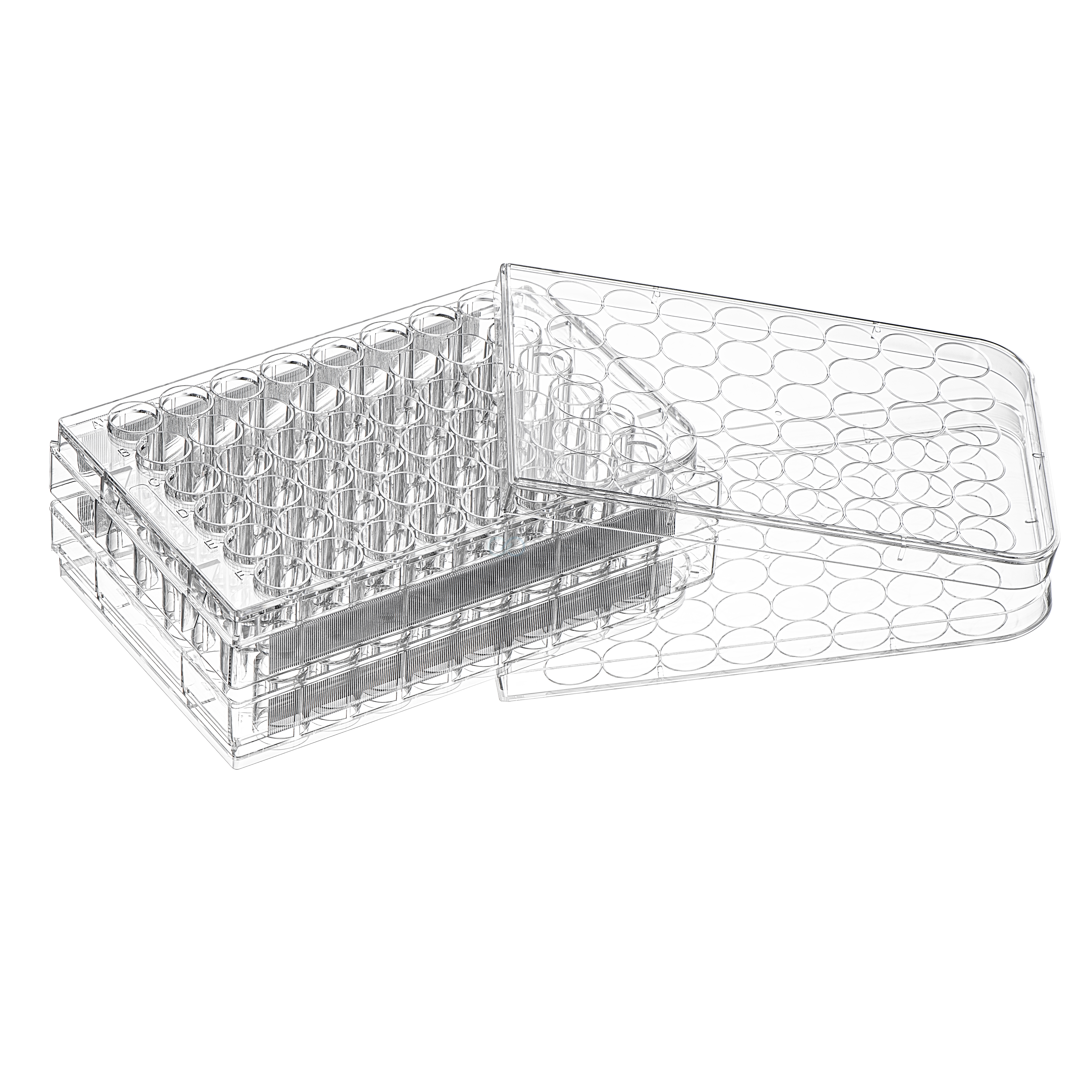
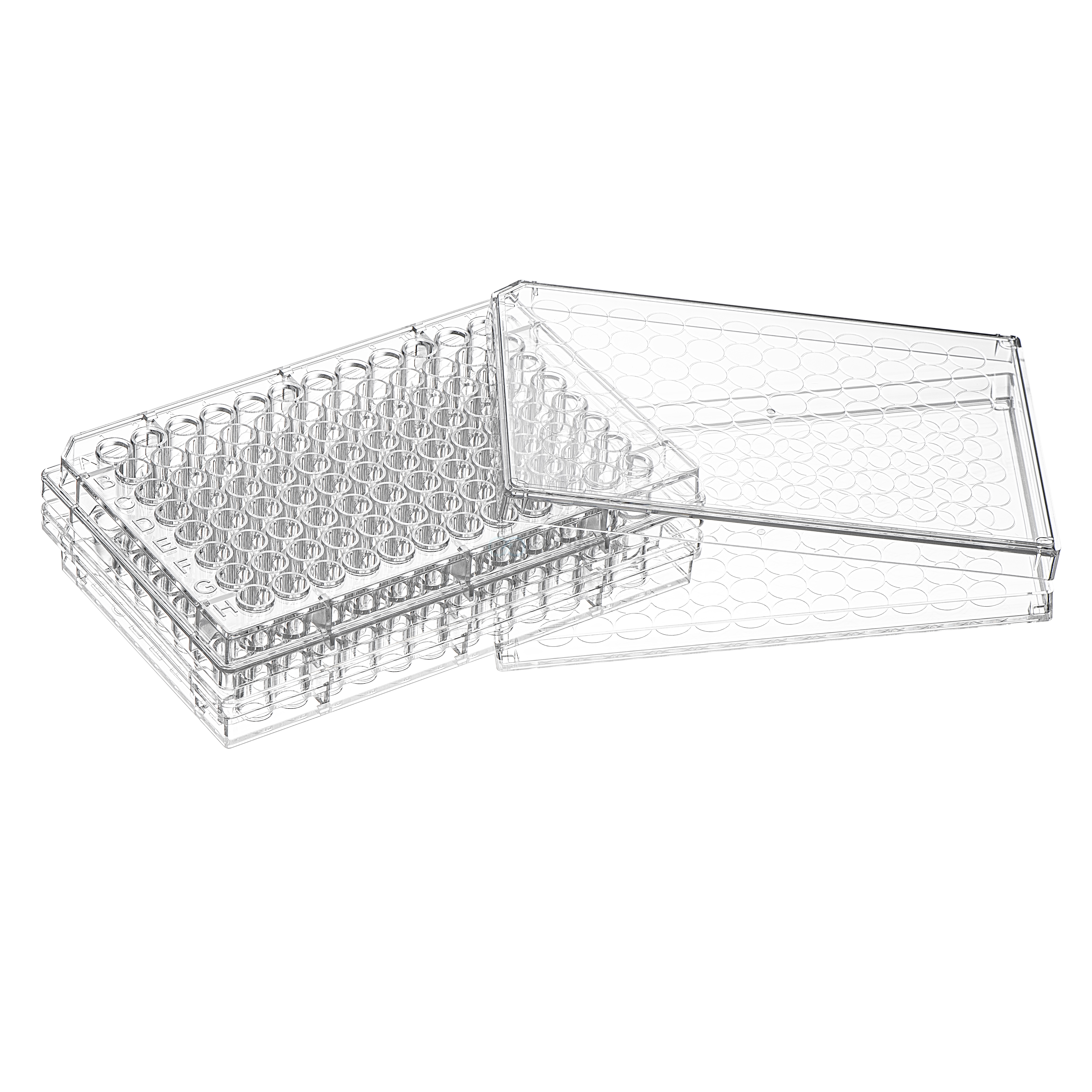

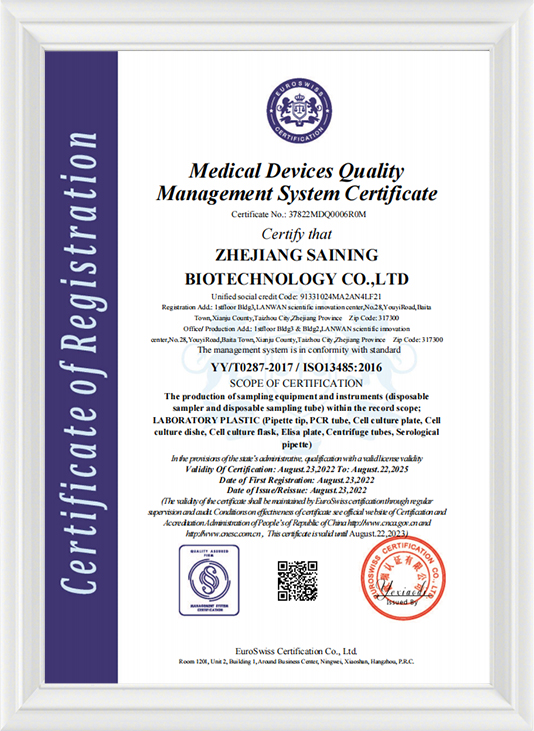
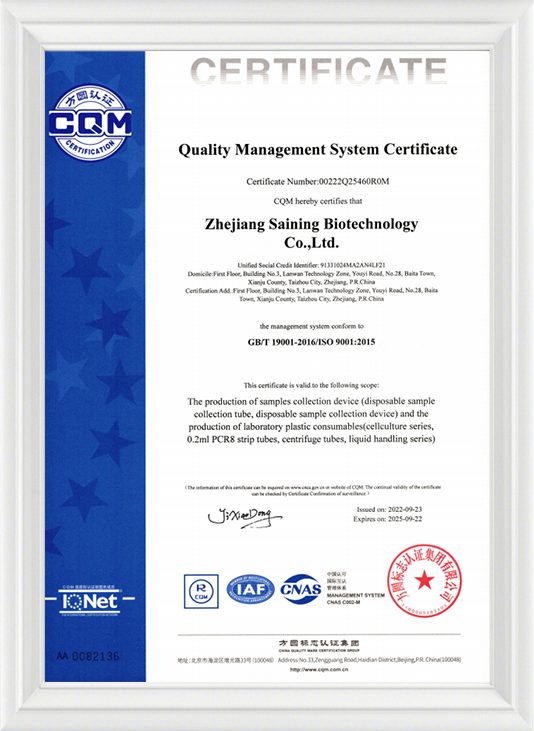
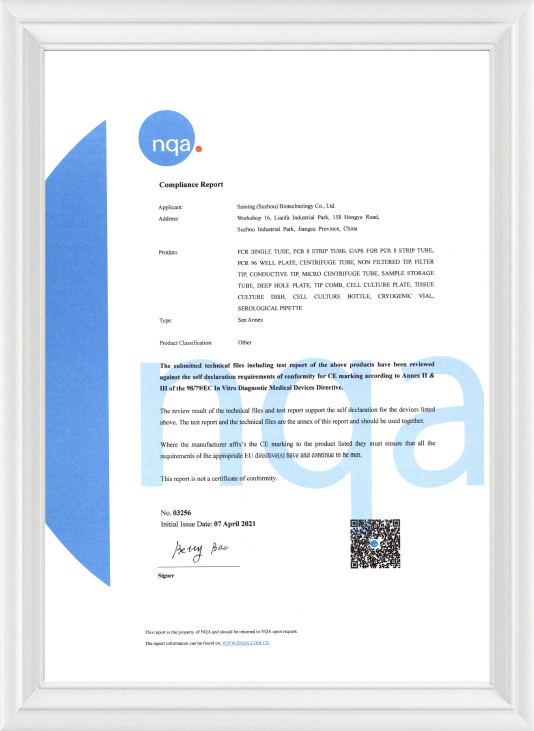
Since its establishment, the company has developed rapidly and now has a 100,000-level purification workshop of 15,000 square meters, a factory area of 30,000 square meters, a Suzhou technology research and development center, a Suzhou production base and a Taizhou production base. The main products include cell culture, biological detection liquid processing, medical equipment, safety protection, etc., which can be widely used in testing institutions (IVD), biological research, medical treatment, new drug research and development, laboratory scientific research and other fields. The product has performance and high quality. After testing by third-party testing agencies and relevant scientific research units, it has the ability to replace high-quality imported products.


-
A cap that lets in too little air starves a growing culture of gas exchange, while a cap that lets in too much invites c...

-
A plate that meets every dimensional and sterility specification on paper can still arrive compromised if the packaging ...
Cell Culture Consumables Industry Knowledge
Cell Culture Consumables — general considerations for safe, reproducible cell culture
Cell culture consumables (flasks, dishes, inserts, tubes, etc.) form the foundation for any in vitro experiment. Their quality and handling can significantly impact reproducibility, cell health, and data validity. Some key points that laboratories and researchers frequently focus on are:
- Sterility and aseptic technique: Contamination remains one of the more common issues in cell culture. Biological contaminants (bacteria, fungi/yeasts, mycoplasma, viruses) and chemical contaminants (endotoxins, plasticizers, impurities in reagents or water) pose threats to cell viability, function, and experimental outcomes.
- Batch-to-batch consistency: Consumables should be manufactured and stored under controlled conditions to avoid variability — for example, variation in plasticizers, membrane porosity, surface treatment — that may alter cell attachment, growth, or differentiation.
- Appropriate material choice: Depending on application (adhesion versus suspension cells, long‑term culture versus short assays, microscopy needs, molecular assays, etc.), the selection of the right consumable type is critical. Plasticware must be tissue‑culture treated or coated where required; membrane inserts, when used, must have defined porosity and surface for reliable performance.
- Proper handling and disposal: Use of personal protective equipment (PPE), routine disinfection of workspace (e.g., 70% ethanol wipe‑downs), minimizing exposure time of open vessels, avoiding unnecessary movement, and safe disposal of used consumables are essential to maintain sterility.
- Awareness of cross-contamination and misidentification risks: Cell lines can be contaminated by microbes or overgrown by faster‑dividing contaminants; sometimes even by other cell lines (cross‑line contamination). Such events may go unnoticed but prominent to irreproducible, false, or mispilot data.
For a manufacturer or supplier of cell culture consumables, ensuring consistent quality control, sterility assurance, and transparent specification (material, treatment, membrane porosity, sterility certification, lot testing) is essential to support reliability and reproducibility in labs that perform cell research, IVD, drug development, or tissue‑engineering studies.
Transwell Insert — versatile tool for advanced cell culture and co-culture models
What is a Transwell Insert and why is it used
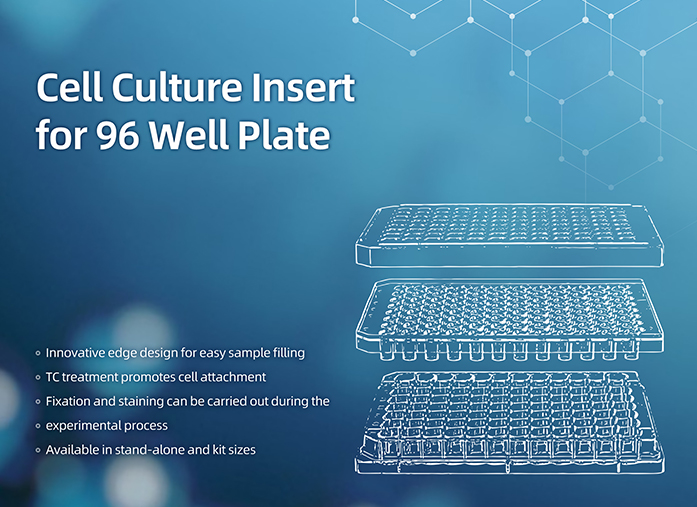
Transwell Inserts are permeable support devices — a permeable membrane (“insert”) placed into a standard multi‑well plate, creating an upper and lower chamber. Cells seeded on the membrane or bottom of the well can experience different media environments, enabling various experimental designs.
These inserts allow:
- co‑culture of different cell types without direct contact (e.g., epithelial cells on membrane, immune cells below),
- studies of cell migration, invasion, trans-epithelial transport, barrier function, permeability,
- creation of polarized cell layers (apical vs basolateral sides) mimicking in vivo tissue architecture, which can be critical in research on epithelium, endothelium, airway, gut, blood–brain barrier models, etc.
Key parameters and design considerations
When selecting or manufacturing Transwell Inserts, researchers pay attention to:
- Membrane material and pore size — common membranes are polycarbonate (PC) or polyester (PET), sometimes coated (e.g., collagen) to enhance cell attachment. Pore sizes typically range from ~0.4 µm up to ~8 µm depending on whether molecular diffusion, small‑molecule transport, or cell migration/invasion is intended.
- Surface treatment / coating — to support cell adhesion, especially for anchorage‑dependent cells such as epithelial or endothelial cells. For some sensitive cell types, coatings (e.g., collagen) are often applied.
- Compatibility with standard well‑plate formats — ease-of-use is often desired: inserts should fit conventional 6‑, 12‑, 24‑, or 96‑well plates without requiring specialized equipment, facilitating seamless integration into existing workflows.
- Sterility and membrane integrity — as with all cell culture consumables, sterile manufacturing, packaging, and quality control are essential; membrane integrity must be verified to avoid leakage or cross‑chamber mixing of media.
Common research concerns and trends
Current research attention on Transwell Inserts often involves:
- Development of gradient‑forming inserts (e.g., microfluidic Transwell Inserts) that can generate stable concentration gradients across the membrane — valuable for studying chemotaxis, morphogenesis, nutrient transport, drug diffusion, or tissue modeling.
- Quantitative measurement of barrier integrity and permeability (e.g., using transepithelial electrical resistance (TEER) or impedance spectroscopy) when growing epithelial or endothelial monolayers on inserts — important in toxicology, drug transport, tissue‑barrier modeling, and drug development.
- Concern over reproducibility and cross‑laboratory consistency, especially when inserts from different manufacturers are compared. Slight differences in membrane material, coating or dimension may influence cell behavior or barrier formation, which can affect data comparability across labs.
Thus, for a manufacturer supplying Transwell Inserts, transparency in specification (membrane type, pore size, coating, sterilization), and consistent quality control are crucial to meet user expectations.
Cell Culture Equipment — supporting reliable, safe and reproducible cell work
Beyond consumables and inserts, a robust cell culture ecosystem requires proper equipment and handling practices. Users commonly focus on:
- Environmental control and contamination prevention: Biosafety cabinets, incubators, and clean‑room workflows must be well maintained. Proper use of PPE, routine disinfection of surfaces, careful handling of reagents and waste, and minimizing exposure of open vessels significantly reduce contamination risk.
- Quality assurance and traceability of materials: Use of sterile, batch‑certified consumables, reagents with documented quality (serum, media, buffers), filter-sterilized water, and validated sterilization procedures (autoclaving, membrane filtration) are necessary to avoid chemical or endotoxin contamination.
- Monitoring and control of culture health and identity: Regular checks for contamination — bacterial, fungal, mycoplasma — and periodic authentication of cell lines help avoid cross‑contamination or misidentification.
- Flexibility and scalability for different applications: Equipment and consumables should support a variety of workflows — from simple adherent cell maintenance, to complex co‑cultures, barrier models, high-throughput screening, drug assays, or molecular biology applications.
For companies manufacturing or supplying cell culture equipment, this means offering not only high‑quality consumables or inserts but also guidance on good cell culture practice, providing documentation (sterility, material specification), and supporting labs in setting up workflows that less contamination and maximize reproducibility.
Why integrating Cell Culture Consumables, Transwell Insert, and Cell Culture Equipment matters for IVD / Biomed / Research Supplies Suppliers
For a supplier or manufacturer serving clients in in vitro diagnostics (IVD), biomedical research, medical device development, new‑drug R&D, or academic labs, offering a well‑rounded portfolio that includes cell culture consumables, Transwell Inserts, and cell culture equipment/accessories brings several advantages:
- It enables customers to source compatible, quality‑controlled consumables and devices from one trusted supplier, reducing risk of cross‑brand variability, saving procurement time, and simplifying quality control.
- It supports diverse applications: from basic cell maintenance, to complex barrier or co‑culture models, to drug screening, transport assays, or differentiation studies — meeting the needs of IVD, pharmacology, toxicology, tissue engineering, and more.
- It helps ensure experimental reproducibility and data reliability by offering consumables with defined specifications (membrane material, pore size, surface treatment), sterile manufacturing and packaging, and clear documentation.
Given increasing attention in the research community to reproducibility, assay robustness, and transparency, positioning your offerings under these categories — with clear descriptions and specifications — will resonate with your customer base.

