



 中文简体
中文简体 English
Cell Culture Dish Factory

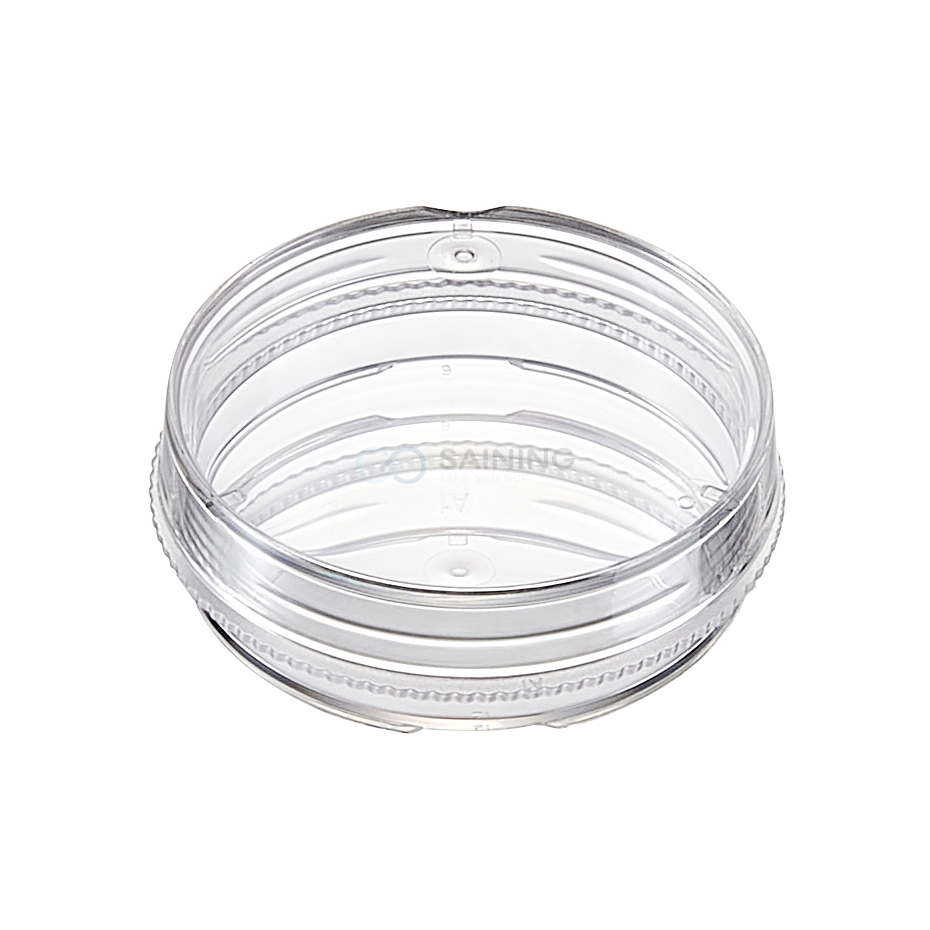
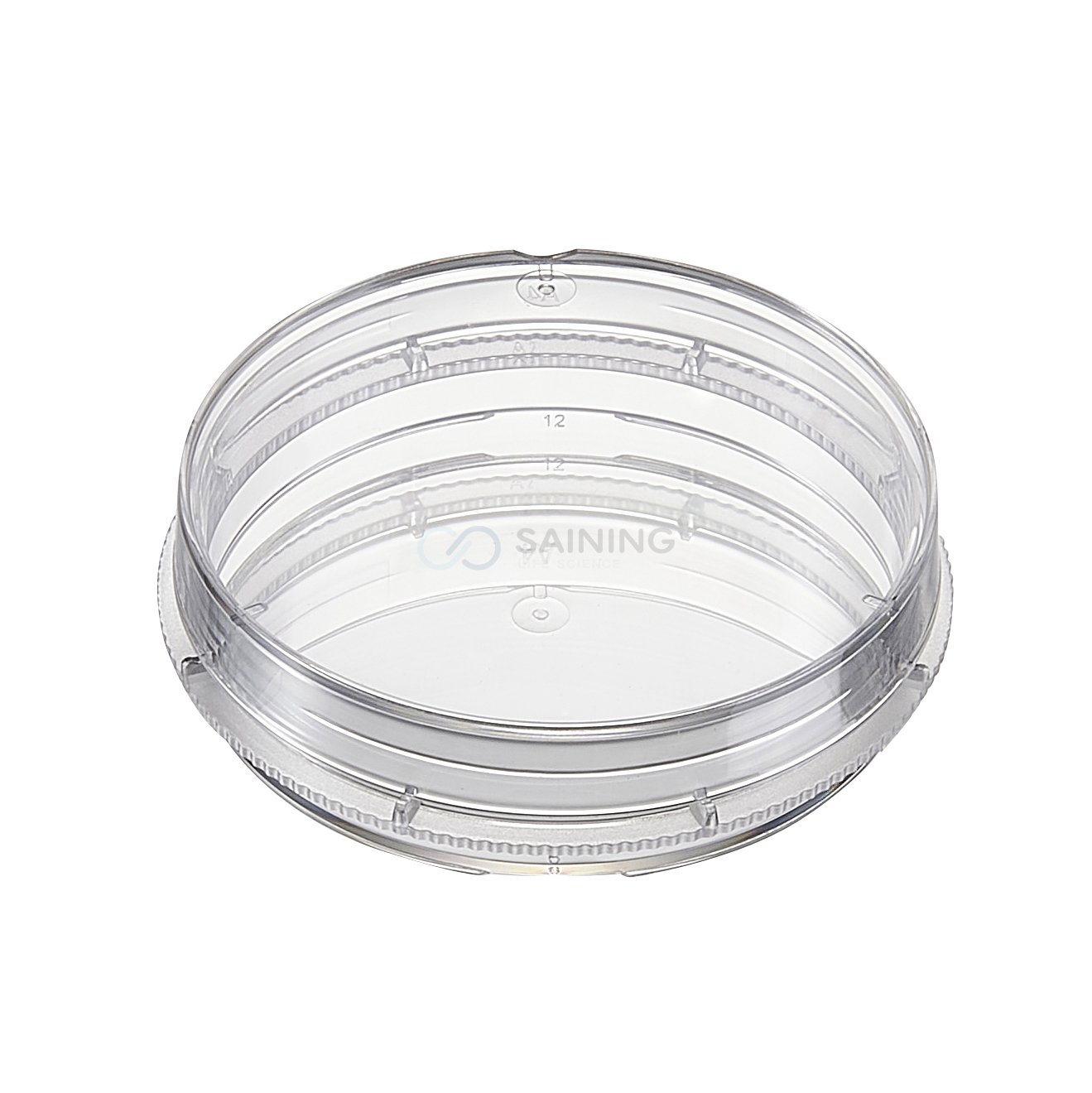
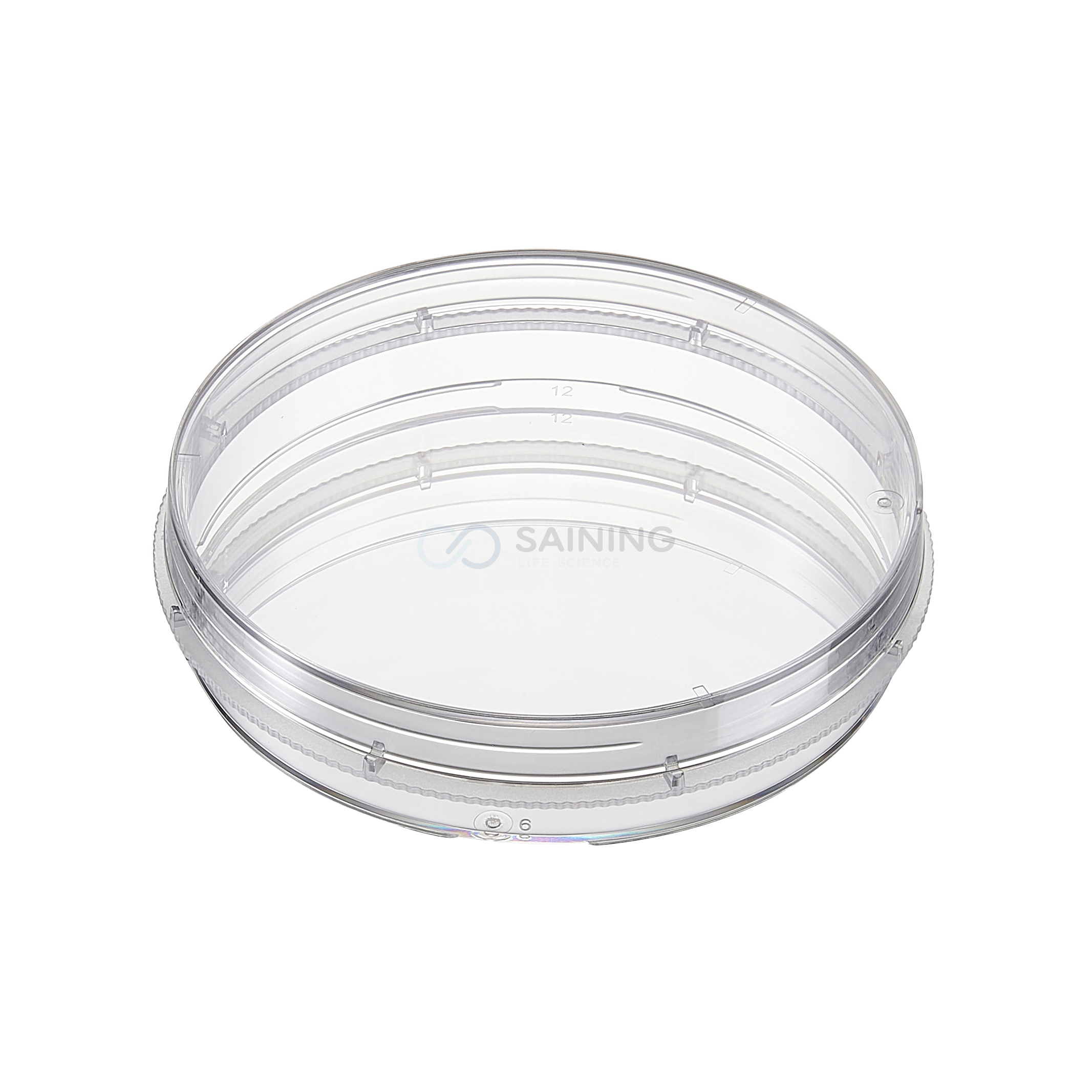
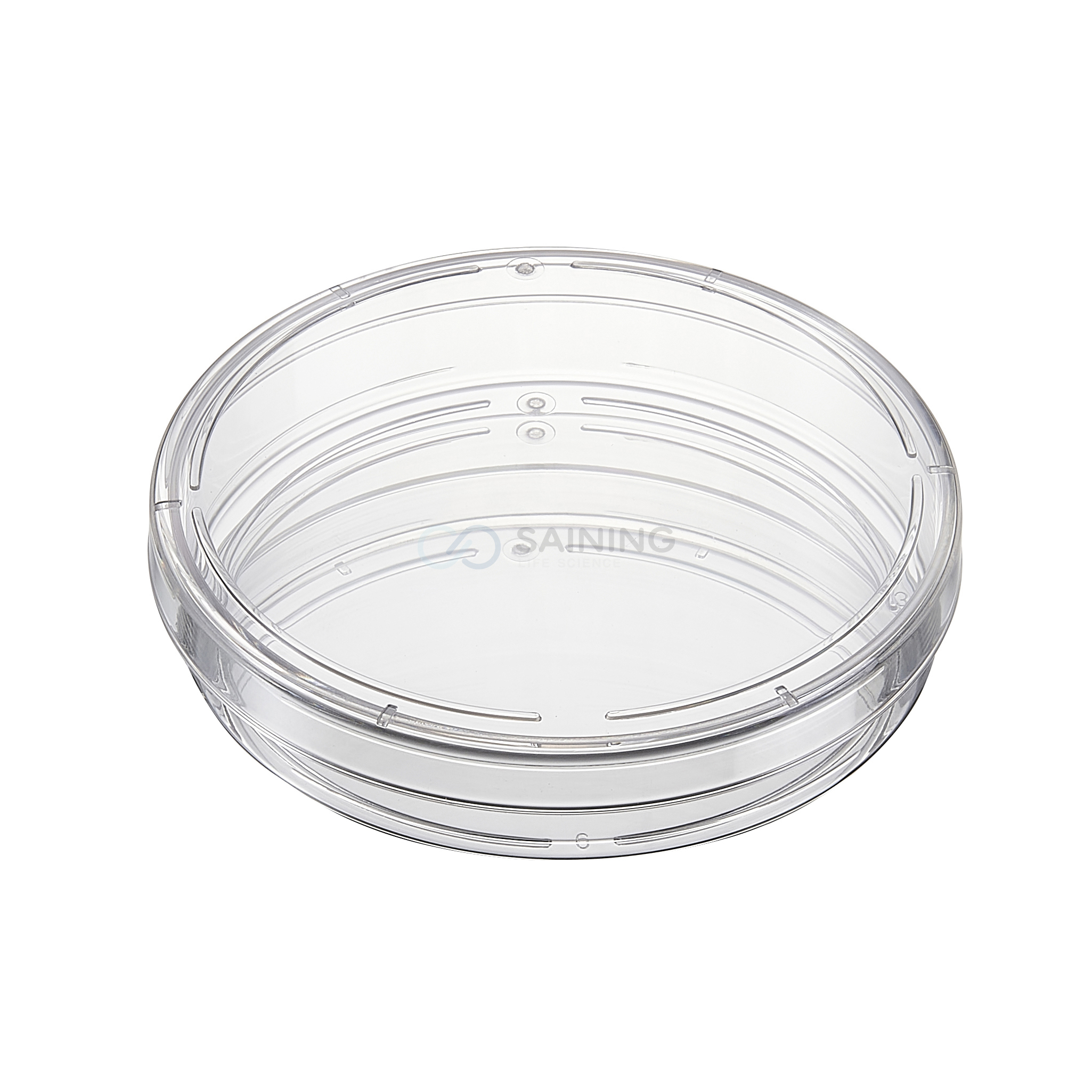
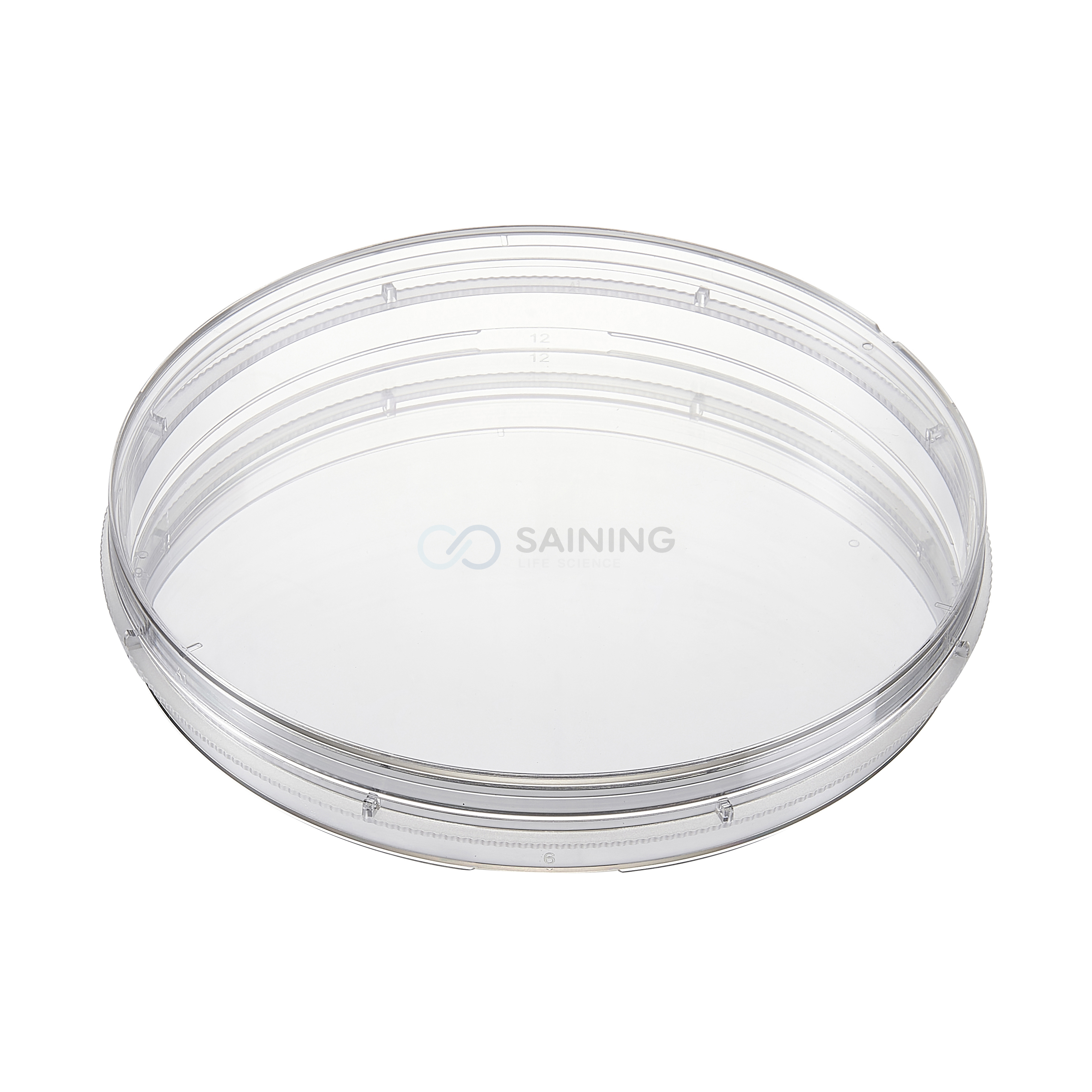
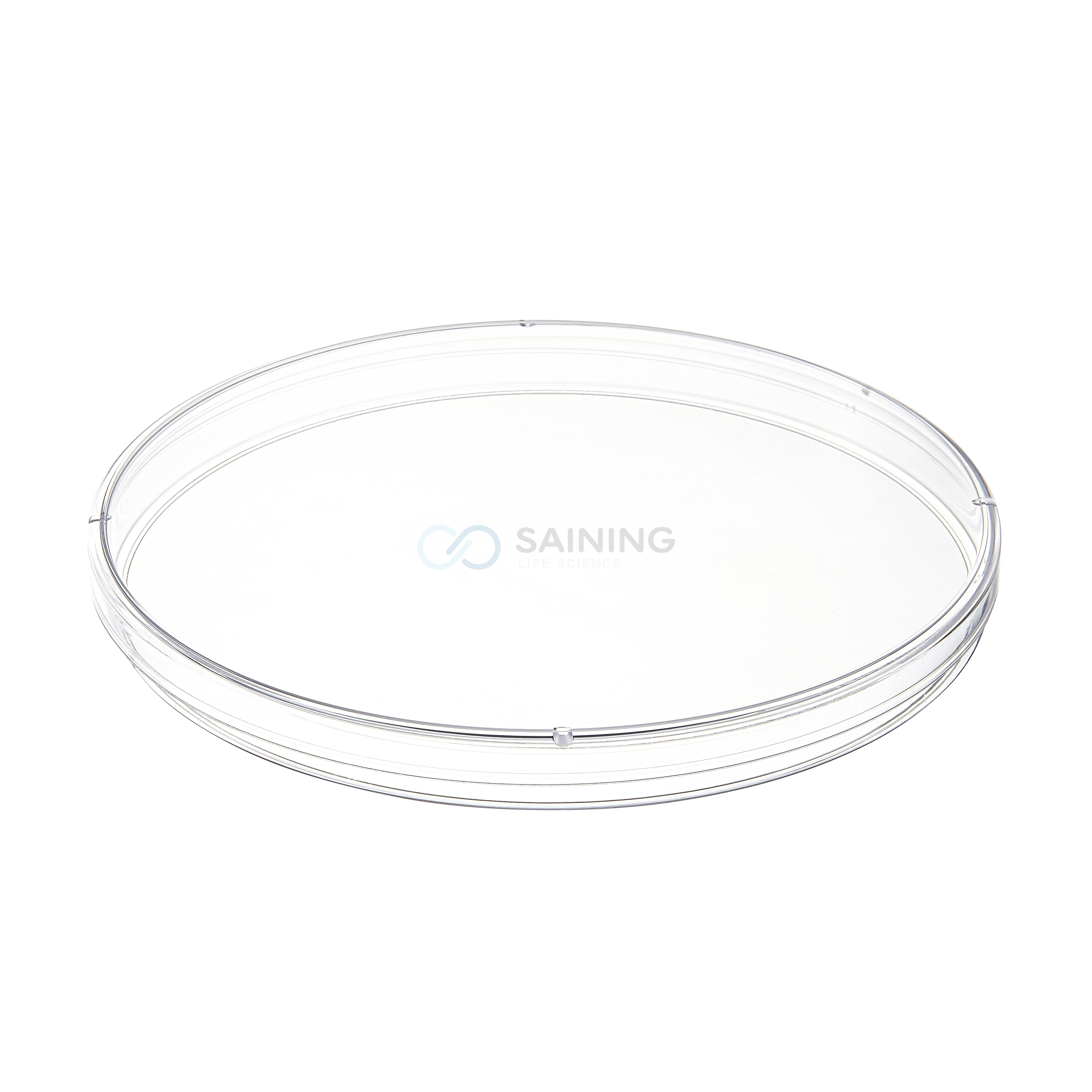
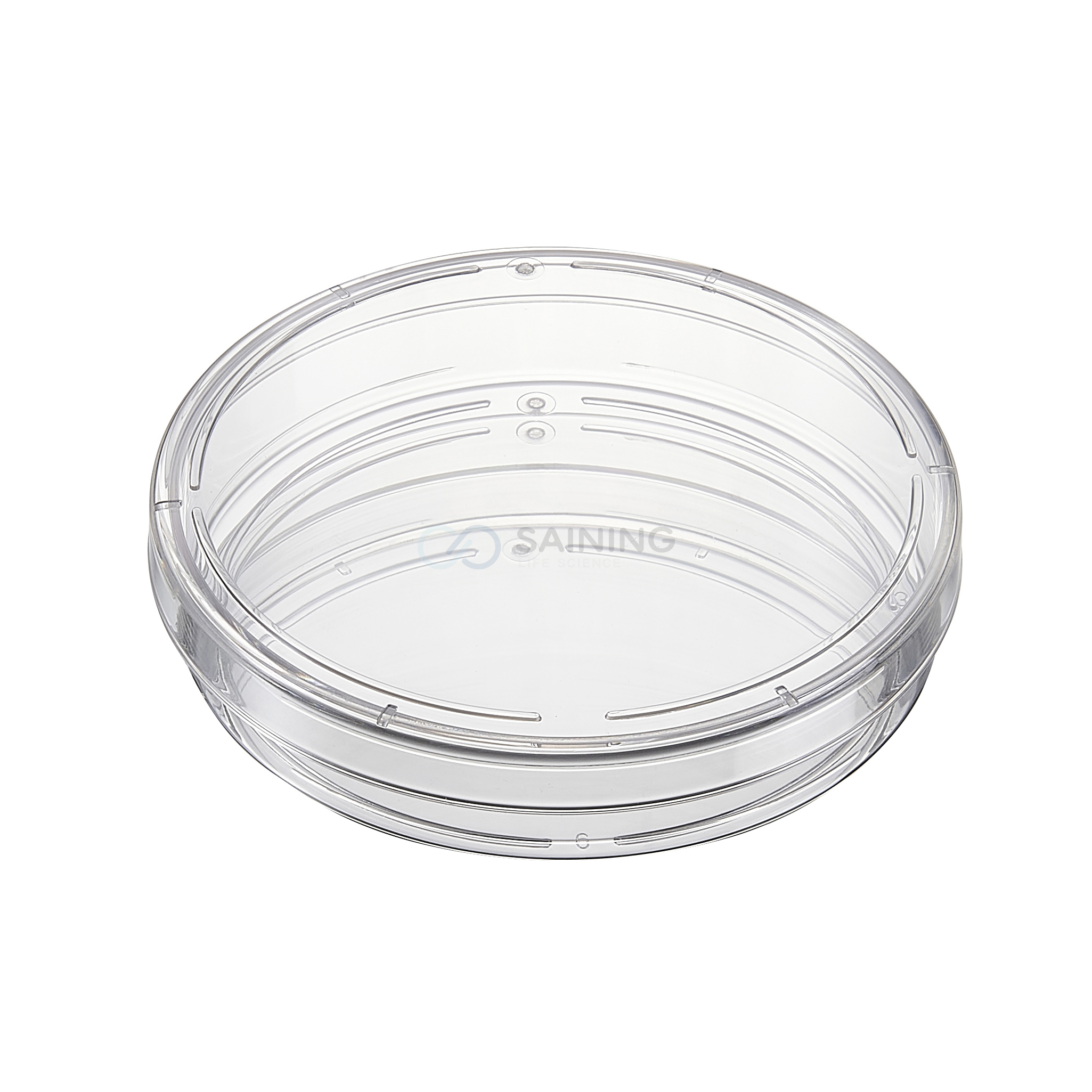

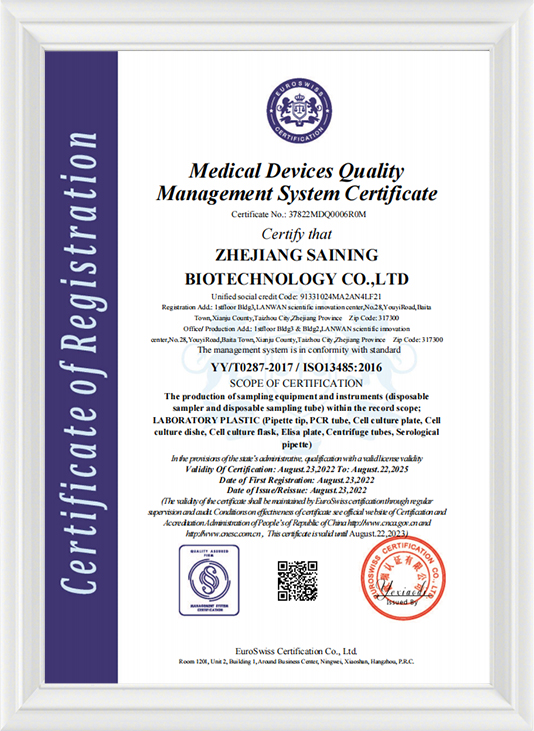
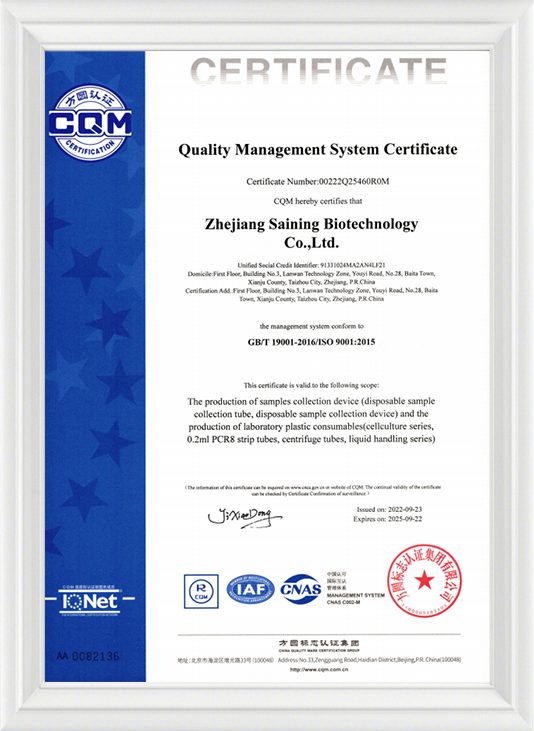
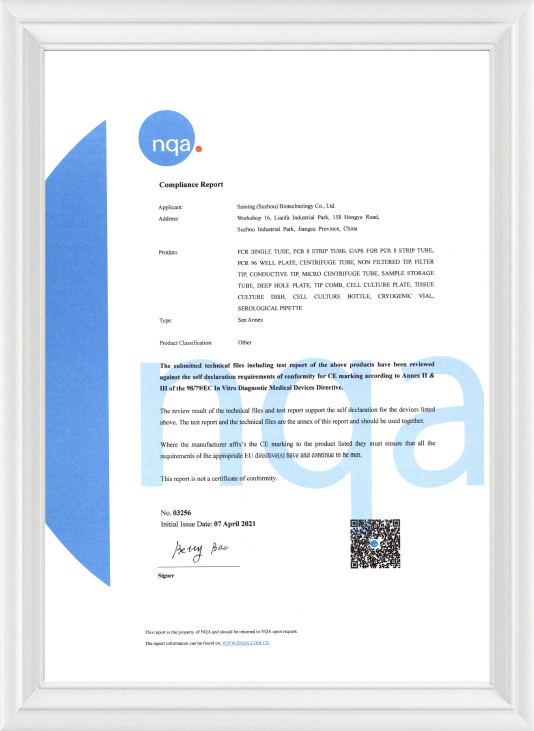
Since its establishment, the company has developed rapidly and now has a 100,000-level purification workshop of 15,000 square meters, a factory area of 30,000 square meters, a Suzhou technology research and development center, a Suzhou production base and a Taizhou production base. The main products include cell culture, biological detection liquid processing, medical equipment, safety protection, etc., which can be widely used in testing institutions (IVD), biological research, medical treatment, new drug research and development, laboratory scientific research and other fields. The product has performance and high quality. After testing by third-party testing agencies and relevant scientific research units, it has the ability to replace high-quality imported products.


-
Clear reading of liquid volume marks may seem like an easy task, but technicians and scientists often struggle when work...

-
Pipetting accuracy is a cornerstone of reliable lab work, whether you are transferring reagents into microplates or deca...
Cell Culture Dish Industry Knowledge
Cell Culture Dish: Definition and Typical Uses
A Cell Culture Dish (also referred to as Culture dish or Tissue culture dish) is a shallow, flat-bottomed vessel designed to support the growth and maintenance of adherent or suspension cells in vitro. These dishes are commonly made from polystyrene or other biocompatible plastics, treated (or untreated) depending on the application. Researchers in fields such as cell biology, drug discovery, toxicity testing, and diagnostic assay development routinely use cell culture dishes to grow cells under controlled laboratory conditions. Because of their versatility, culture dishes serve as the foundational platform for many types of experiments — from simple cell expansion to complex functional assays.
Differences Between “Culture dish” and “Tissue culture dish”
In everyday lab practice, the terms “Culture dish” and “Tissue culture dish” are often used interchangeably, but there can be subtle distinctions depending on context:
- Culture dish is a broader term and may refer to any dish used for culturing microbes, cells, or even small tissue explants. It can be untreated or treated depending on whether cell adhesion is needed.
- Tissue culture dish usually refers specifically to dishes with surface treatment (e.g., tissue culture–treated polystyrene) that promotes adhesion and growth of mammalian/animal cells. These surfaces are often charged or modified to allow cells to attach and spread effectively.
Understanding the distinction helps laboratories select the appropriate dish type for their intended application — whether microbial growth, cell line expansion, or tissue explant cultivation.
Material, Surface Treatment, and Their Impact
The choice of material and surface treatment for a culture dish affects cell behavior, assay reproducibility, and overall experiment outcome.
- Material: More culture dishes are made of polystyrene due to its optical clarity, ease of manufacturing, and chemical compatibility. Some specialized dishes use polypropylene or other plastics to resist solvents or bad conditions.
- Surface Treatment: For adherent mammalian cells, dishes frequently undergo a surface treatment process (for example, gas plasma or corona discharge) that alters the surface charge or hydrophilicity. This enables cells to attach, spread, and proliferate. Untreated dishes, by contrast, may be used for suspension cultures, microbial assays, or other applications where attachment is not desired.
- Coated or Specialty Surfaces: In certain research contexts, tissue culture dishes may be further coated with extracellular matrix components (e.g. collagen, gelatin, fibronectin) or specialized polymers to encourage cell adhesion, differentiation, or mimic specific physiological conditions. Such coatings influence cell morphology, phenotype, and behavior — critical factors in experiments such as stem cell differentiation or cell migration assays.
Selecting the Right Culture Dish for Research and IVD Applications
Choosing an appropriate culture dish involves balancing multiple factors related to the intended use case:
- Cell Type: For adherent cell lines or primary cells, a tissue culture dish with treated surface is often necessary. For suspension cells or microbial cultures, untreated dishes may suffice.
- Assay Type: If cells need to spread, differentiate, or form monolayers, a tissue culture dish enables proper attachment. For assays involving secreted factors, morphology, or high‑throughput screening, clarity and consistency of the plastic surface matter.
- Downstream Processing: For experiments involving imaging, fluorescence microscopy, or cell counting, the optical transparency and low autofluorescence of polystyrene dishes are desirable. For assays requiring chemical resistance (e.g. solvent‑based staining), dishes made of other plastics or coated appropriately may be better.
- Quality and Consistency: For IVD manufacturing or diagnostic workflows that require reproducibility, lot‑to‑lot consistency of dishes — in terms of surface properties, sterility, and dimensional tolerances — is important.
Sterility, Packaging, and Regulatory Considerations
In contexts related to diagnostics, therapy, or medical‑research, sterility and packaging of culture dishes play critical roles.
- Sterile vs Non‑sterile: Many research labs use non‑sterile dishes when aseptic conditions can be maintained manually. However, for clinical diagnostics, primary cell culture, or regulatory‑compliant operations, pre‑sterilized, individually wrapped tissue culture dishes reduce contamination risk and increase reliability.
- Packaging and Integrity: Packaging must ensure integrity during transport and storage. Moisture, dust, and mechanical stress can compromise sterility or surface quality. Proper packaging and labeling help laboratories maintain traceability and process control.
- Regulatory Compliance: Dishes intended for use in in vitro diagnostics (IVD) or pre‑clinical research may need to meet relevant quality standards or documentation requirements (e.g. sterility assurance, material biocompatibility, traceability). Clear documentation helps laboratories implement quality control and meet regulatory expectations.
Common Applications of Culture Dishes in Cell Biology and IVD
Culture dishes serve many roles across scientific and diagnostic workflows:
- Routine maintenance and expansion of cell lines — growing stable or primary cell cultures for downstream use.
- Cytotoxicity and drug screening assays — exposing cells to compounds and monitoring viability, proliferation, or morphology changes.
- Transfection, gene editing, and transduction workflows — providing a controlled platform for introducing genetic material or viruses into adherent cells.
- Morphology studies, imaging, immunostaining — using optically clear surfaces for microscopy, immunofluorescence, or live‑cell imaging.
- Tissue explant culture or primary cell growth from donors — when handling primary tissues or patient‑derived cells for research or diagnostic purposes.
- Diagnostic and quality‑control workflows in IVD — preparing and processing cellular samples under sterile or controlled conditions for further assays.
Practical Considerations for Manufacturing and Supply
For a manufacturer of culture dishes (like your company), several aspects deserve attention to ensure products meet customer and regulatory expectations:
- Material sourcing and consistency: Raw plastics must meet biocompatibility and clarity standards. Even minor batch variation can affect surface properties and cell behavior.
- Surface treatment control: The treatment process (e.g. corona discharge) should be precisely controlled — uniformity across a batch ensures reliable cell attachment and reproducible results.
- Sterilization process: Gamma irradiation, ethylene oxide, or other sterilization methods require validation to avoid altering surface chemistry or damaging the dish.
- Packaging and labelling: For dishes intended for sterile IVD or clinical use — individually wrapped, sealed, with lot numbers, expiry dates, and sterility indicators.
Quality assurance and documentation: Batch records, sterility certificates, traceability, and possibly compliance with relevant standards/regulations if used in diagnostics or regulated research.

