



 中文简体
中文简体 English
Cell Culture Flask Factory

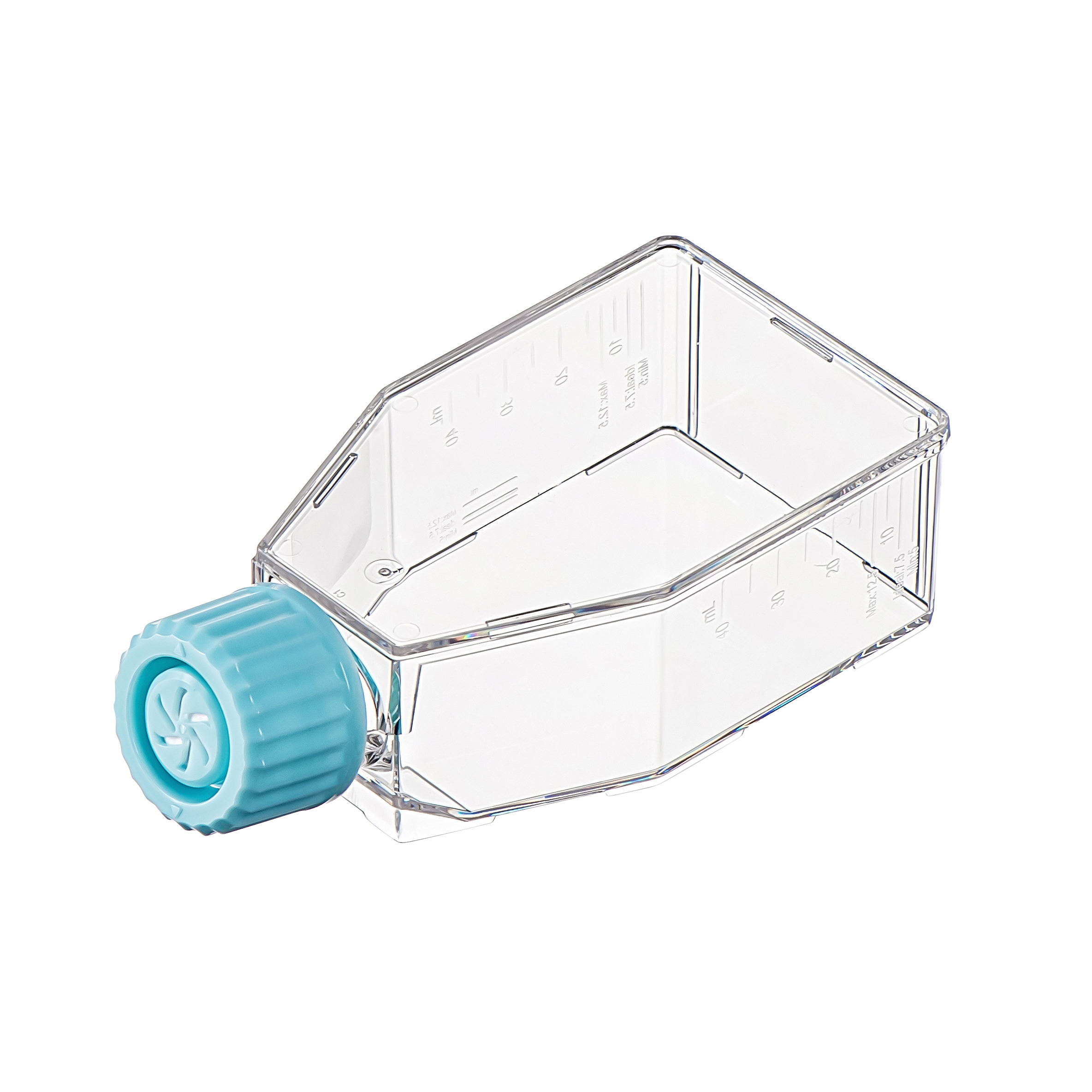
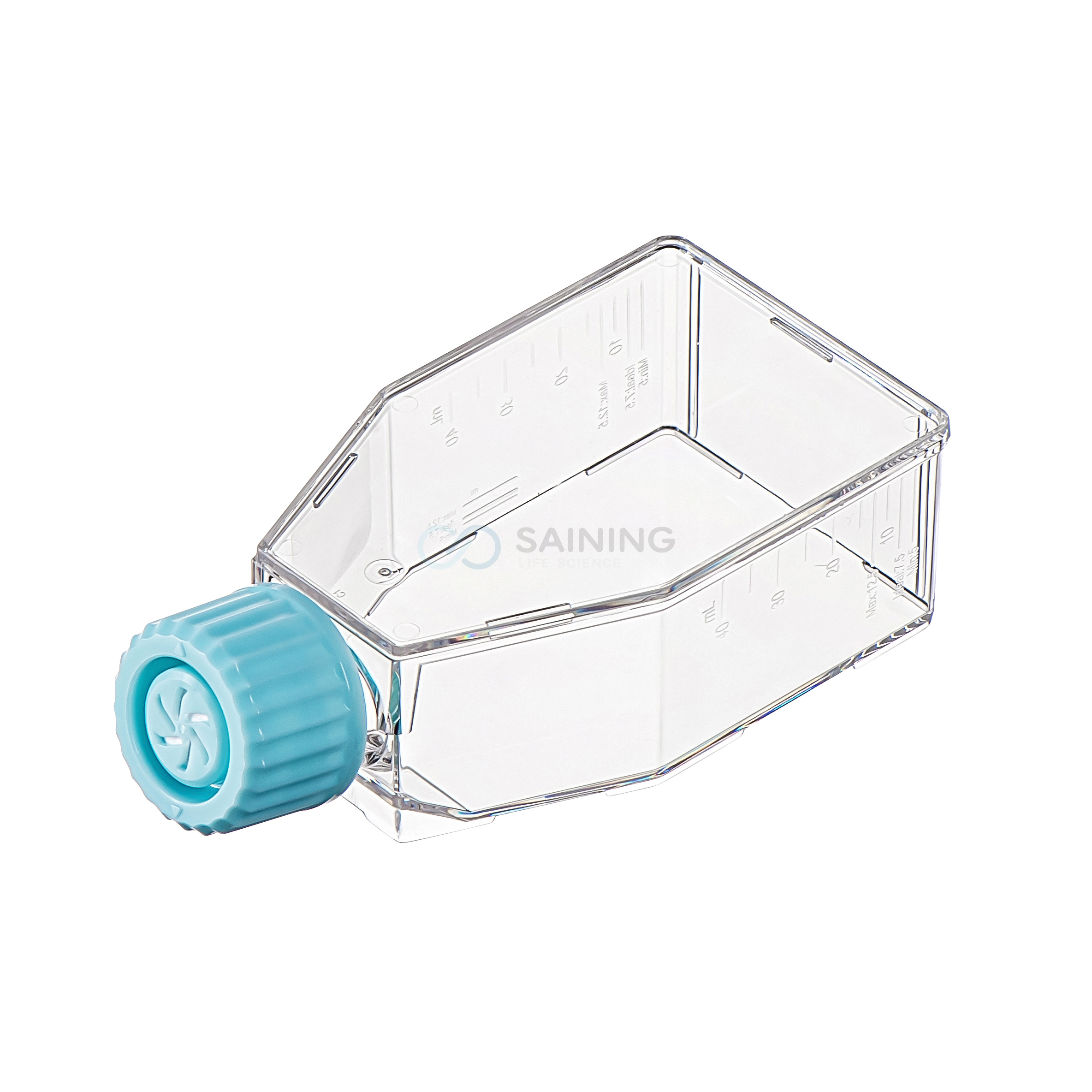

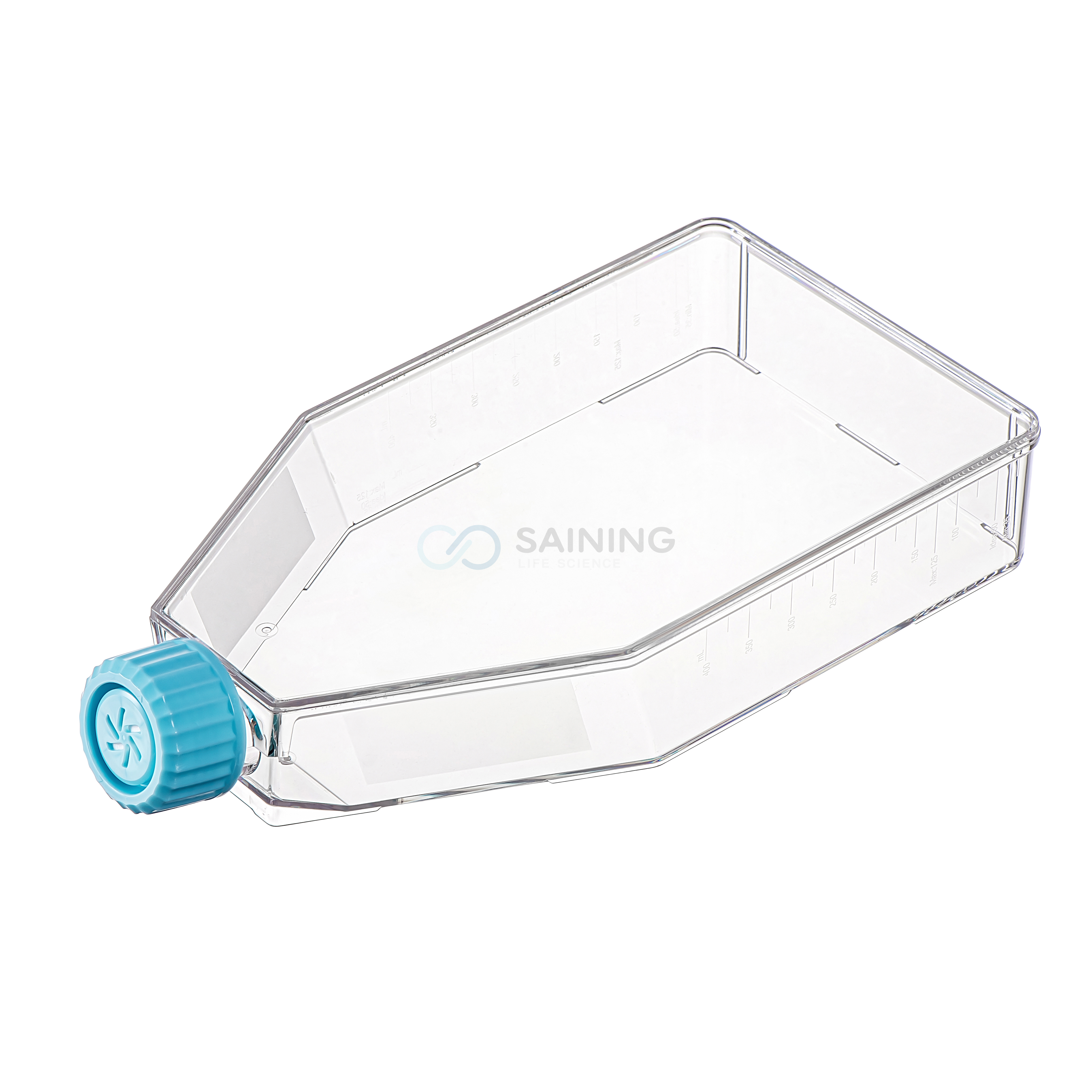
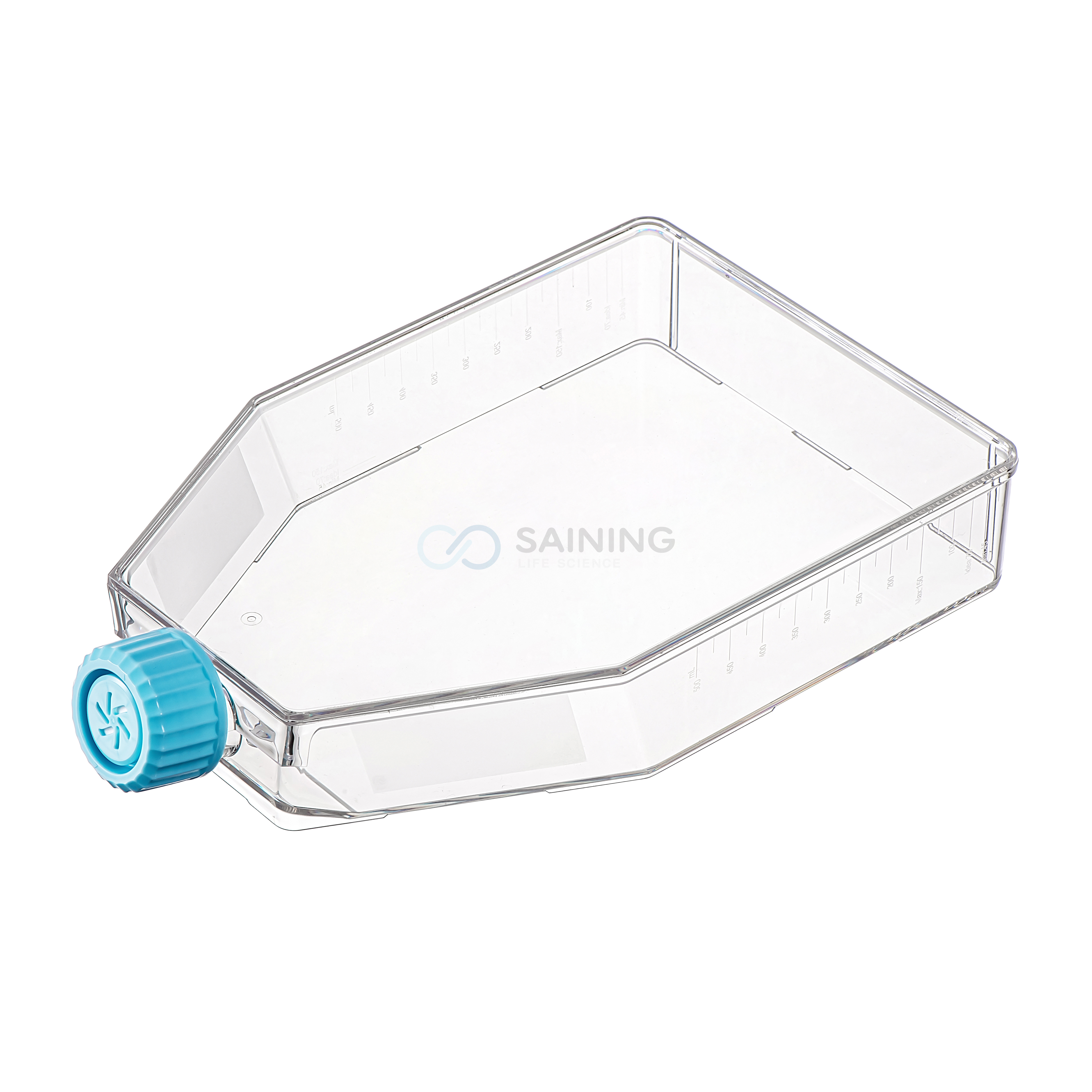
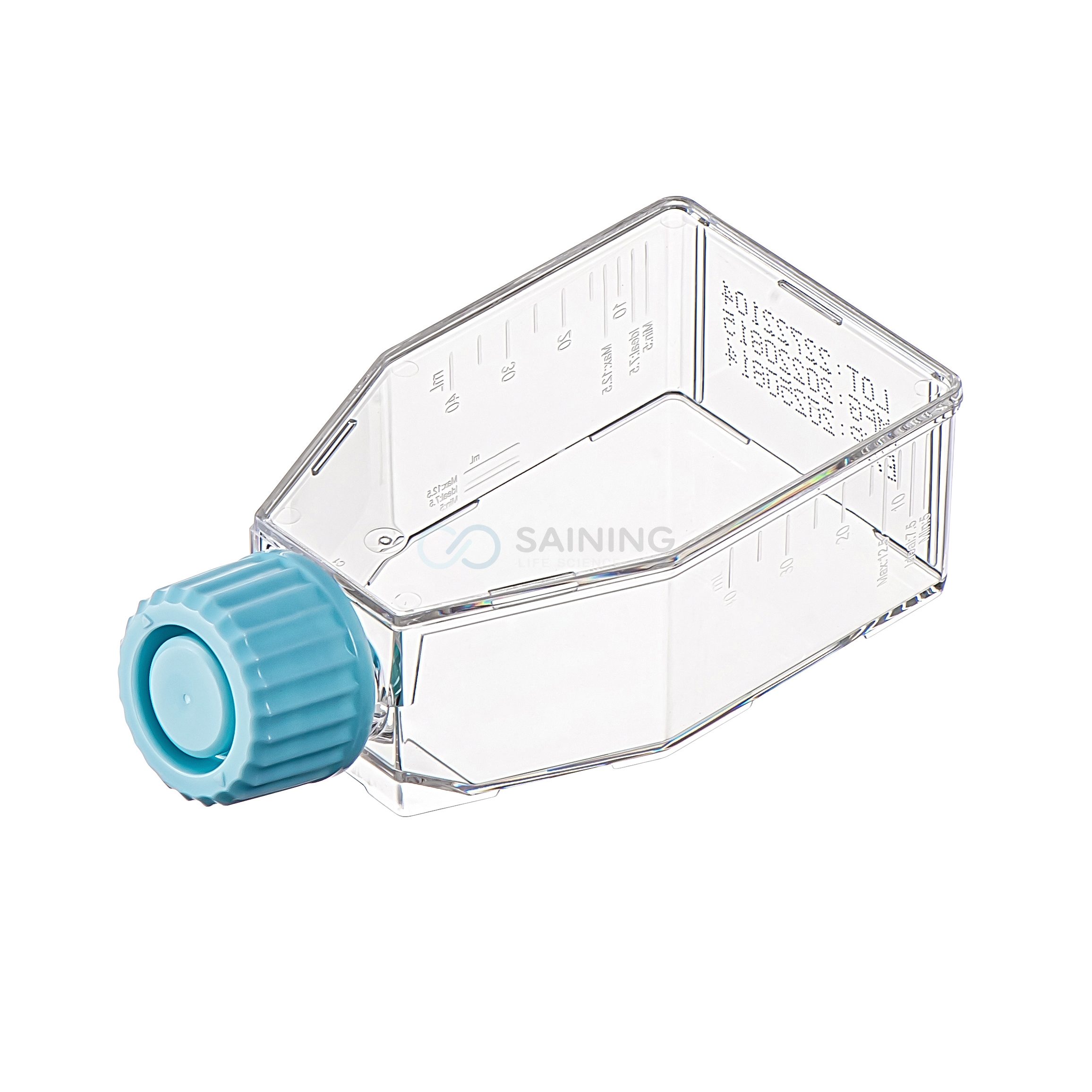
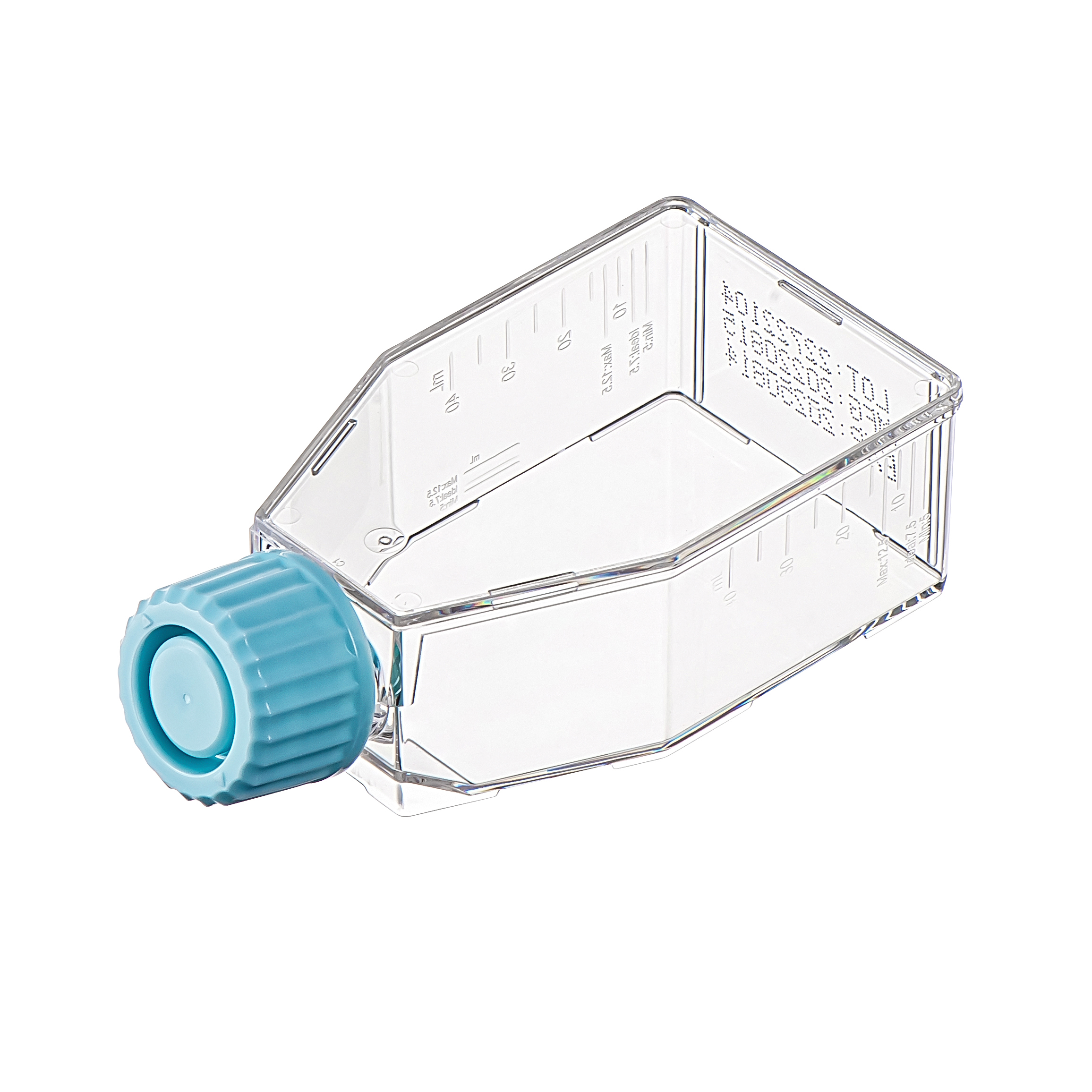

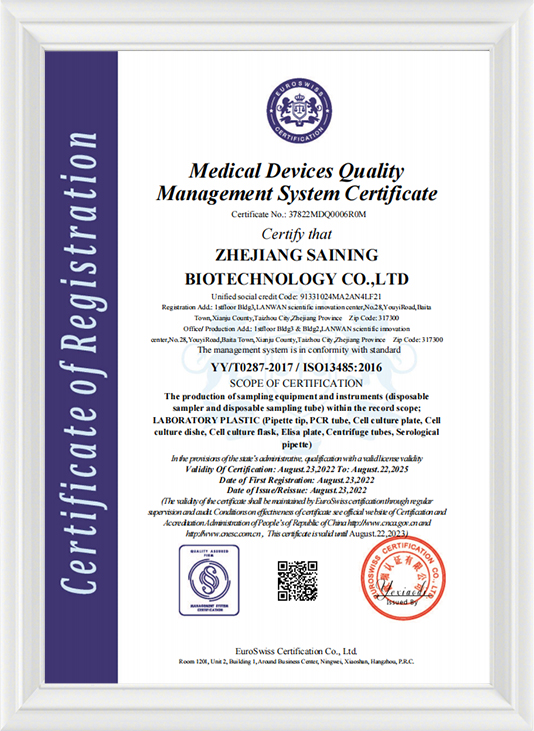
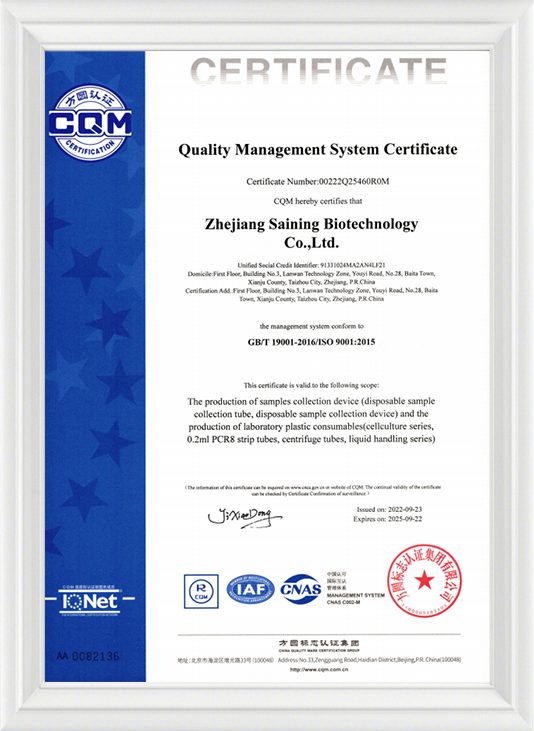
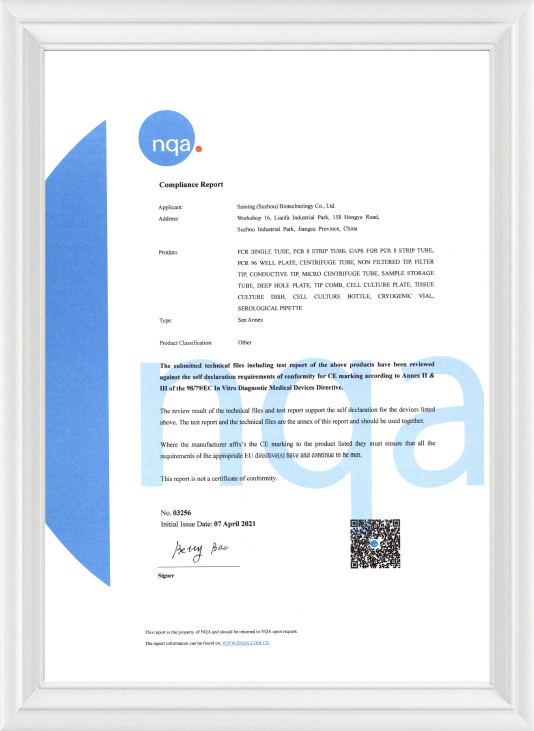
Since its establishment, the company has developed rapidly and now has a 100,000-level purification workshop of 15,000 square meters, a factory area of 30,000 square meters, a Suzhou technology research and development center, a Suzhou production base and a Taizhou production base. The main products include cell culture, biological detection liquid processing, medical equipment, safety protection, etc., which can be widely used in testing institutions (IVD), biological research, medical treatment, new drug research and development, laboratory scientific research and other fields. The product has performance and high quality. After testing by third-party testing agencies and relevant scientific research units, it has the ability to replace high-quality imported products.
-
Clear reading of liquid volume marks may seem like an easy task, but technicians and scientists often struggle when work...

-
Pipetting accuracy is a cornerstone of reliable lab work, whether you are transferring reagents into microplates or deca...
Cell Culture Flask Industry Knowledge
Cell Culture Flask: Purpose and Typical Applications
A Cell Culture Flask is a fundamental tool in biological research laboratories. This vessel is designed to support the growth and maintenance of adherent or suspension cells under controlled conditions. Researchers commonly employ culture flasks for tasks such as subculturing, expansion of cell lines, generating working stocks, or preparing cells for downstream assays like drug screening or molecular analyses. Because flasks can be handled in incubators that control temperature, CO₂ concentration, and humidity, they support reproducible and consistent cell growth. Their predictable geometry and volume make them suitable for scaling experiments from small pilot runs to larger batches — which is especially valuable in research, diagnostics, or preclinical studies.
Cell culture bottle: When to Use It Instead of Flasks
A Cell culture bottle differs from a flask primarily in form factor and convenience for handling larger media volumes. Bottles are often used when research or production requires a higher volume of culture medium or greater cell yield. For labs that routinely expand cell populations for assays, large‑scale protein expression, or bulk cell banking, bottles offer reduced labor and fewer vessel changes compared to multiple small flasks. Because bottles often have wider mouths and more accessible geometry, they simplify medium exchange, harvesting, and splitting. For suspension cultures, or when generating conditioned medium, a cell culture bottle can streamline operations and reduce contamination risk by limiting the number of manipulation steps.
Tissue culture flask: Design Features and Cell‑Friendly Properties
A Tissue culture flask is typically treated or manufactured to offer a surface suitable for cell attachment and growth. For adherent cells — such as fibroblasts, epithelial cells, or stem cells — surface treatment promotes proper adhesion, spreading, and proliferation. Tissue culture flasks can feature specialized coatings or treated surfaces that modify hydrophilicity, surface charge, or roughness to enhance cell‑substrate interactions. This ensures that cells grow evenly across the bottom surface and retain characteristic morphology and function. Tissue culture flasks are widely used in experiments where cell behavior, differentiation, viability, and morphology must remain consistent, such as cytotoxicity assays, transfection, differentiation studies, and cell‑based assays in research and IVD contexts.
Material and Sterility Considerations for Culture Flasks / Bottles
When manufacturing or selecting culture flasks, bottles, or tissue culture flasks, material choice and sterility are critical. Typical vessels are made from high‑quality polystyrene or other biocompatible plastics that can withstand sterilization processes (e.g. gamma irradiation). These materials must be non‑toxic, free of leachables, and suitable for long‑term cell culture. In many applications — especially those connected to diagnostics, drug development, or sensitive research — pre‑sterilized, individually wrapped vessels less contamination risk. Proper labeling of lot numbers, expiry or sterilization date, and packaging integrity supports traceability and quality assurance, which are important in regulated environments.
Scaling from Small‑Scale Research to Large‑Volume Production
One strength of using flasks, bottles, and tissue culture flasks is the ability to scale cell culture processes. A researcher might begin experiments in small tissue culture flasks to optimize growth conditions, drug treatments, or transfection parameters. Once conditions are established, the system can be scaled up using larger bottles or multiple flasks in parallel to produce sufficient cell numbers, proteins, or conditioned medium. For applications such as recombinant protein expression, viral vector production, or bulk cell banking, consistent geometry, sterile handling, and compatibility with standard incubators make these vessels a practical foundation. This versatility supports a smooth transition from bench‑scale research to pre‑clinical or production‑level volume, valuable in IVD development or biologics pipelines.
Good Laboratory Practice (GLP) and Quality Control in Using Culture Vessels
In professional settings — particularly in medical diagnostics, pharmaceutical research, or regulatory‑compliant labs — maintaining reproducibility, sterility, and traceability is essential. Using sterile, certified culture flasks, bottles, or tissue culture flasks reduces risk of contamination, cross‑contamination, or compromised cell behavior. Proper inventory management (tracking lot numbers, sterilization dates, storage conditions) helps ensure consistent results across experiments. When disposing of used vessels, following biosafety guidelines ensures safe handling of biohazard waste. For manufacturers like your company, providing high‑quality vessels with reliable sterility, uniform material properties, and consistent manufacturing standards helps laboratories adhere to strict protocols and reduces experimental variability.
Summary: How Cell Culture Flask / Bottle / Tissue Culture Flask Support Diverse Lab Needs
Whether for basic cell biology research, diagnostic development, IVD workflows, or pre‑clinical studies, cell culture flasks, culture bottles, and tissue culture flasks provide flexible, reliable vessels to grow, maintain, and scale cell cultures. Their design adaptation — from small‑scale tissue culture flasks for optimization to larger bottles for production — along with sterility and quality control, supports a wide range of lab needs. For a manufacturer or supplier, offering a range of vessel types under consistent quality and traceability helps meet demands across research, medical, and industrial biotechnology settings.

