



 中文简体
中文简体 English
Cell Scraper Factory

Since its establishment, the company has developed rapidly and now has a 100,000-level purification workshop of 15,000 square meters, a factory area of 30,000 square meters, a Suzhou technology research and development center, a Suzhou production base and a Taizhou production base. The main products include cell culture, biological detection liquid processing, medical equipment, safety protection, etc., which can be widely used in testing institutions (IVD), biological research, medical treatment, new drug research and development, laboratory scientific research and other fields. The product has performance and high quality. After testing by third-party testing agencies and relevant scientific research units, it has the ability to replace high-quality imported products.
-
A distributor sourcing plates for an IVD assay developer often assumes that every 96-well format matching the standard 8...

-
Cell biology labs stocking harvesting tools keep debating a practical design question: do silicone-tipped scraper blades...
Cell Scraper Industry Knowledge
Cell Scraper and Tissue Culture Scraper: Overview and Use Cases
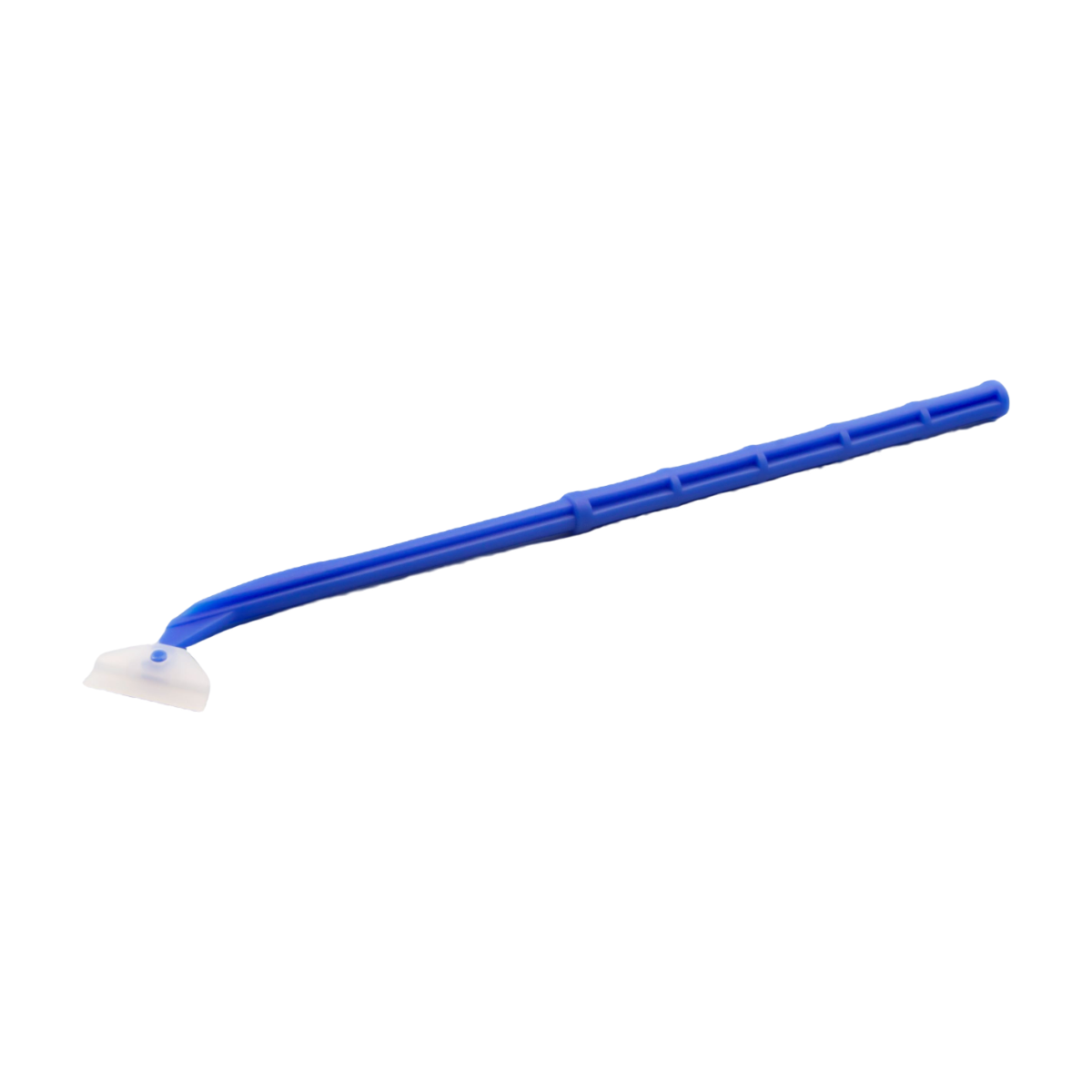
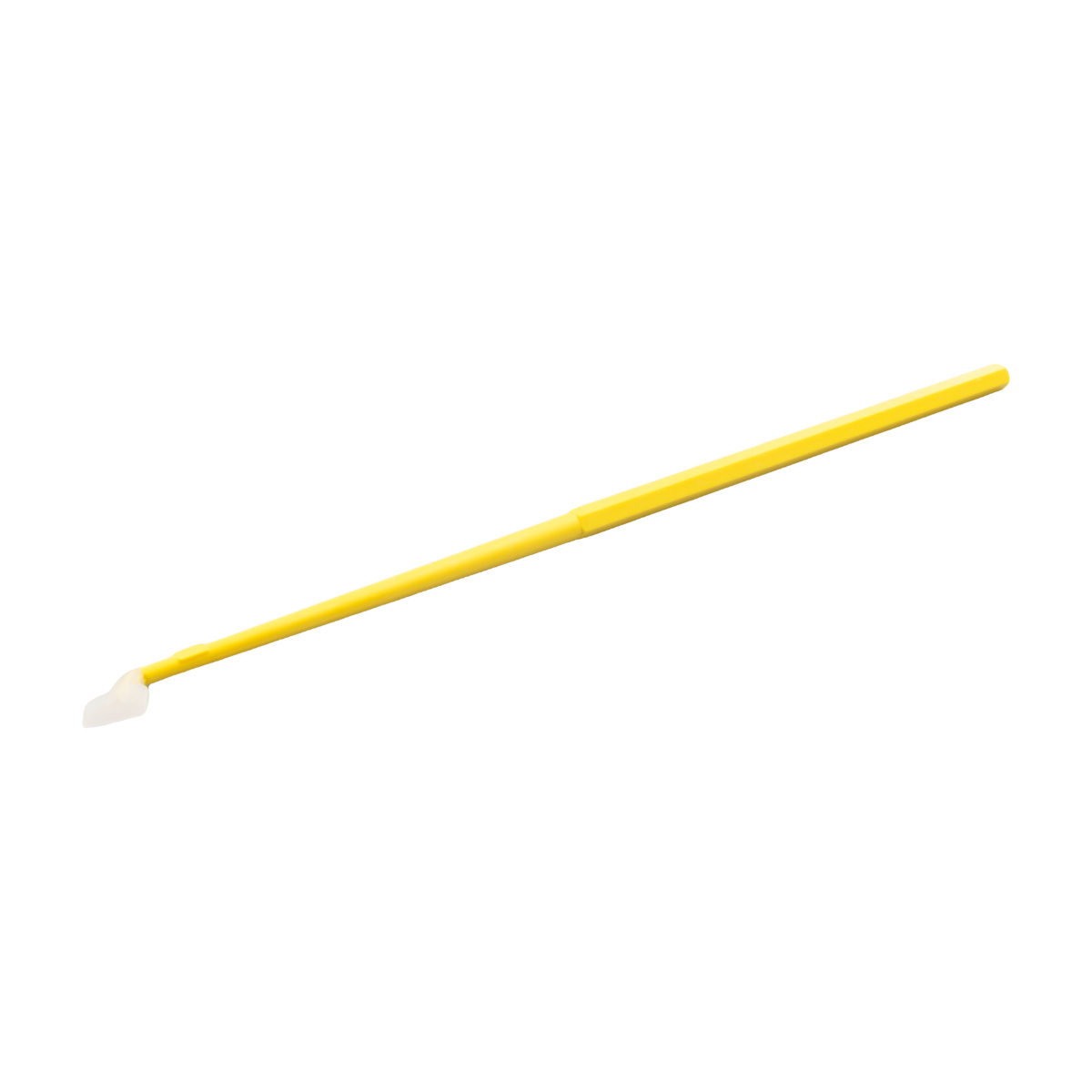
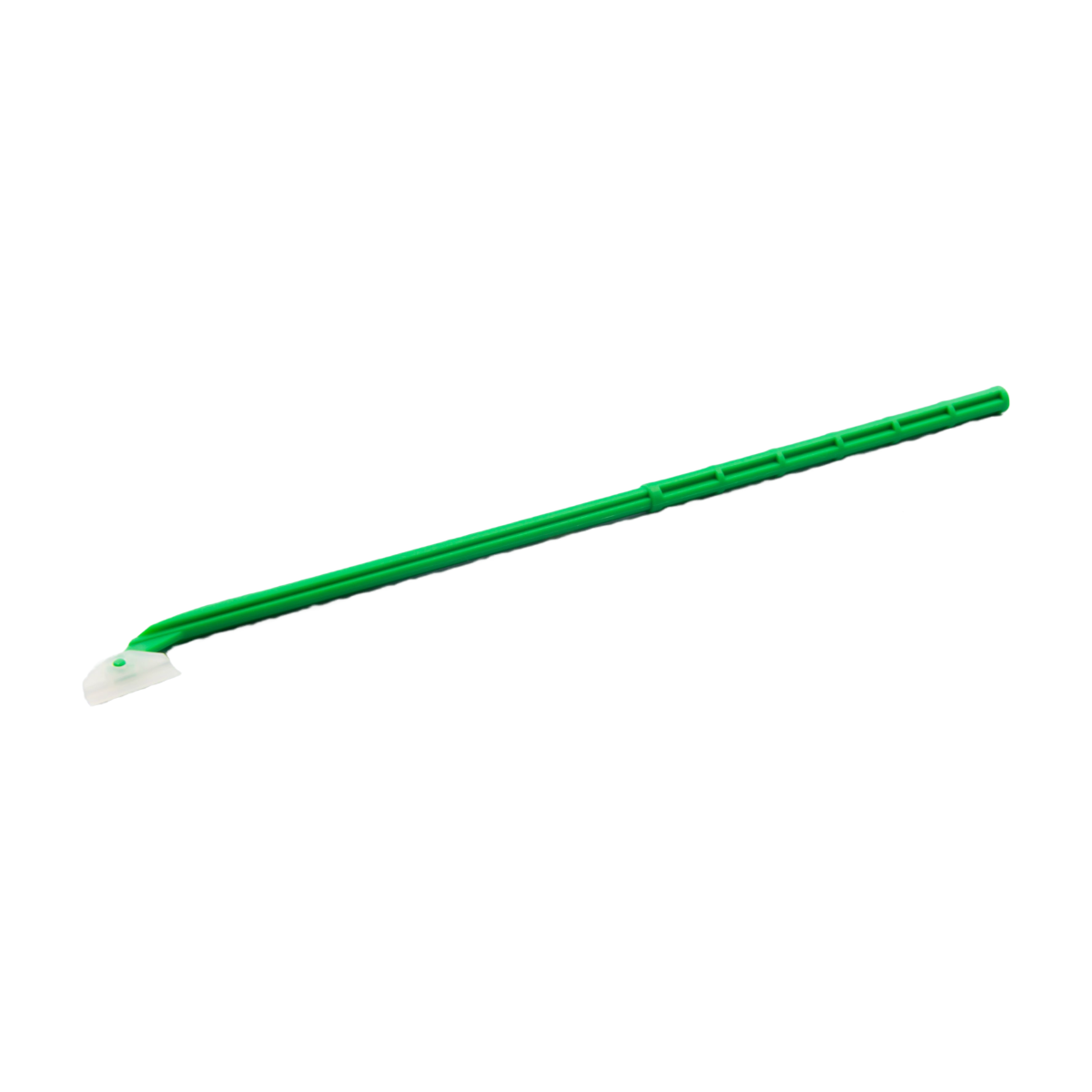
Cell scrapers, often referred to as tissue culture scrapers, are tools designed to detach and collect adherent cells from culture vessels such as flasks, dishes, or multi‑well plates. For laboratories engaged in in vitro diagnostics (IVD), biomedical research, drug discovery, and general cell biology, these scrapers offer a mechanical, enzyme-free method to harvest cells in a gentle and controlled manner. Compared with enzymatic detachment methods (e.g. trypsinization), scrapers provide an alternative that may preserve cell membrane proteins and surface markers better, which is sometimes critical for downstream applications.
Tissue culture scrapers come in various sizes and shapes — from small scrapers for dishes and multi‑well plates to larger versions for flasks or cell factories. Their material may be plastic or other cell‑culture-compatible materials, shaped to allow efficient scraping while minimizing damage to cells or vessel surfaces.
When to Use an Adherent Cell Harvesting Scraper
Using an adherent cell harvesting scraper is especially suitable under several conditions:
- When surface proteins must remain intact. If downstream assays depend on cell surface antigens, receptors, or membrane proteins (e.g. flow cytometry, immunostaining, cell‑surface receptor assays), mechanical scraping avoids enzymatic cleavage that may occur with proteolytic detachment reagents.
- When avoiding residual enzyme contamination. Enzymatic detachment requires careful removal or inactivation of enzymes. Mechanical scraping eliminates that risk, simplifying downstream workflows.
- When working with cells sensitive to enzymes. Some primary cells or specialized cell lines may respond poorly to enzymes, pilot to poor viability or phenotype alteration. Scrapers provide a milder alternative.
- When dealing with large adherent cultures. For large-scale adherent cultures (e.g. in flasks or multi-layered vessels), scrapers help collect cells uniformly without uneven detachment or long enzyme incubation periods.
Design Considerations for Tissue Culture Scraper
When selecting or designing a tissue culture scraper, attention to the following factors can impact performance:
- Scraper shape and size. The scraper must match the shape and size of the culture vessel (e.g. flat for dishes, curved for flasks) to maximize contact and less dead zones where cells remain attached.
- Material biocompatibility. The scraper blade or edge should be made of materials compatible with cell culture — non-toxic, sterilizable (or pre-sterilized), and free from substances that might leach into the medium.
- Ergonomics and ease of use. A comfortable handle, proper blade angle, and good grip can reduce user fatigue and improve consistency across replicates. For multi‑well plates or smaller vessels, a compact scraper may provide better control.
- Sterility and packaging. For applications in IVD or sensitive research, scrapers should be pre‑sterilized (e.g. gamma‑irradiated or EO sterilized) and packaged to maintain sterility until use.
Advantages and Limitations of Adherent Cell Harvesting Scraper
Advantages
- Preserves cell surface integrity. By avoiding enzymes, scrapers help maintain membrane proteins and surface markers — beneficial for immunophenotyping, receptor studies, and downstream functional assays.
- Simplified workflow. No need to prepare or inactivate enzymatic solutions; scraping can proceed directly, reducing steps and potential variability.
- Suitability for certain cell types. Sensitive or primary cells may respond better to scraping than to enzymatic treatment.
- Cost‑effective and scalable. Scrapers are often reusable (if sterilizable) or cost‑effective disposables, making them suitable for both small‑scale research and larger batch processing.
Limitations and Cautions
- Physical stress on cells. Mechanical scraping exerts shear stress, which may damage delicate cells or reduce viability when compared to gentle enzymatic detachment.
- Inconsistent detachment. Depending on scraper design and user technique, some cells may remain attached, pilot to uneven yield across wells or flasks.
- Potential cell damage or morphology changes. Some adherent cells may respond poorly to scraping, pilot to altered morphology, stress responses, or loss of viability — especially if scraping is aggressive.
- Not ideal for suspension cells. Scrapers are irrelevant if cells grow in suspension; their value lies specifically in adherent cell cultures.
Applications in IVD, Biomedical Research, and Drug Development
In IVD and biomedical research laboratories, scrapers are used in diverse workflows:
- Cell surface marker analysis. After scraping, cells can be stained or labeled for flow cytometry or immunocytochemistry, preserving membrane proteins for accurate detection.
- Functional assays. Cells harvested by scraping may be used in downstream functional assays — such as receptor binding assays, drug uptake, cytotoxicity, or signaling studies — without interference from residual enzyme.
- Primary cell harvesting. For sensitive primary cells (e.g. fibroblasts, endothelial cells, stem cells), scrapers might yield higher viability than enzymatic detachment, making them preferable for subsequent expansion or differentiation.
- Large-scale harvest. For drug screening or scale-up cultures, scrapers help collect cells from multiple flasks or large vessels efficiently.
- Quality‑controlled workflows. In regulated environments (e.g. IVD kit development), relying on mechanical detachment reduces variability tied to enzyme lot differences, temperature or incubation time — increasing reproducibility.
Ideal Practices When Using Cell Scraper / Tissue Culture Scraper
To maximize benefits and less risks when using scrapers:
- Match scraper to vessel. Use a scraper size and shape appropriate for the culture vessel to ensure efficient detachment.
- Pre‑wet or moisten vessel if needed. Sometimes adding a small volume of buffer or medium before scraping reduces shear damage and helps cells detach more smoothly.
- Use gentle, even strokes. Avoid aggressive scraping — steady, gentle pressure yields better cell viability.
- Collect detached cells carefully. After scraping, gently pipette or rinse to collect loose cells; avoid excessive pipetting which could damage cells.
- Work under sterile conditions. Use sterile scrapers (or sterilize reusable ones) and handle under aseptic conditions to prevent contamination.
- Monitor cell viability and yield. After harvesting, check viability (e.g. by trypan blue or viability dye) and count cells to evaluate efficiency.
Why Adherent Cell Harvesting Scraper Matters in Modern Laboratories
With increasing interest in reproducibility, standardization, and sensitive downstream assays, mechanical detachment using scrapers provides a valuable option. As research shifts toward assays that depend on intact surface proteins, membrane receptors, or small manipulation, reliance on enzymatic detachment can introduce variability or alter cell physiology.
Moreover, in IVD development or cell‑based assay pipelines, reducing the number of reagents or reagents with lot-to-lot variation improves consistency. Scrapers can simplify workflows and reduce dependency on enzymatic reagents.
Finally, for labs needing flexible solutions — from small‑scale research to medium‑throughput screening — scrapers represent a low‑cost, reusable (or sterile disposable) tool, fitting varied vessel formats and experimental needs.

