



 中文简体
中文简体 English
FACS Tube Factory


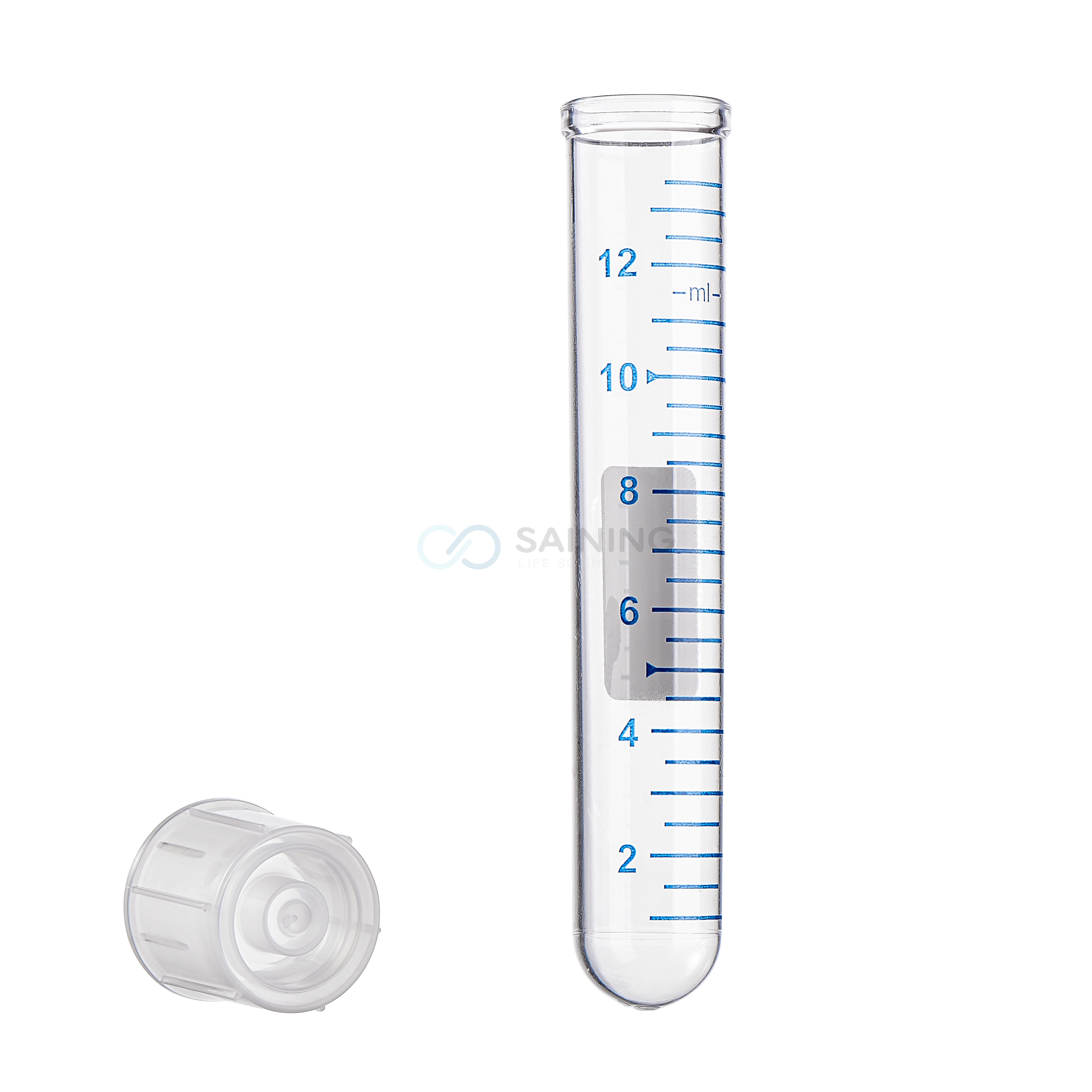

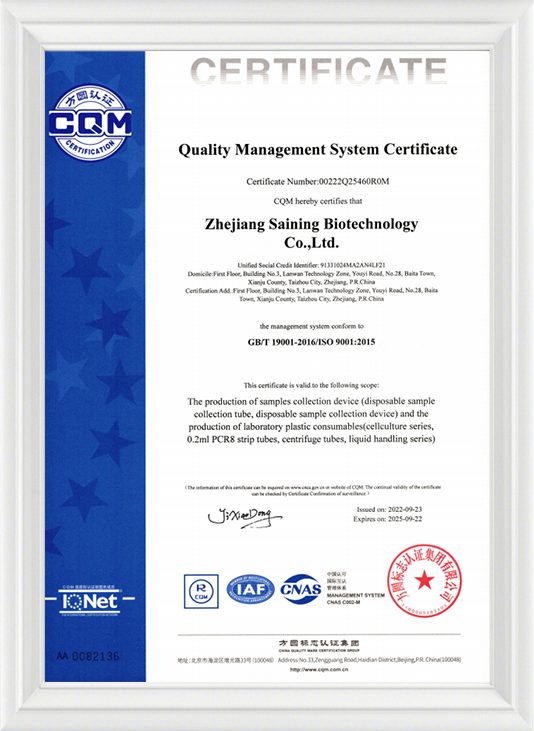
Since its establishment, the company has developed rapidly and now has a 100,000-level purification workshop of 15,000 square meters, a factory area of 30,000 square meters, a Suzhou technology research and development center, a Suzhou production base and a Taizhou production base. The main products include cell culture, biological detection liquid processing, medical equipment, safety protection, etc., which can be widely used in testing institutions (IVD), biological research, medical treatment, new drug research and development, laboratory scientific research and other fields. The product has performance and high quality. After testing by third-party testing agencies and relevant scientific research units, it has the ability to replace high-quality imported products.



-
Distributors supplying molecular biology and genomics labs have watched a specific request show up more consistently in ...

-
A cap that lets in too little air starves a growing culture of gas exchange, while a cap that lets in too much invites c...
FACS Tube Industry Knowledge
FACS Tube: Definition and Purpose
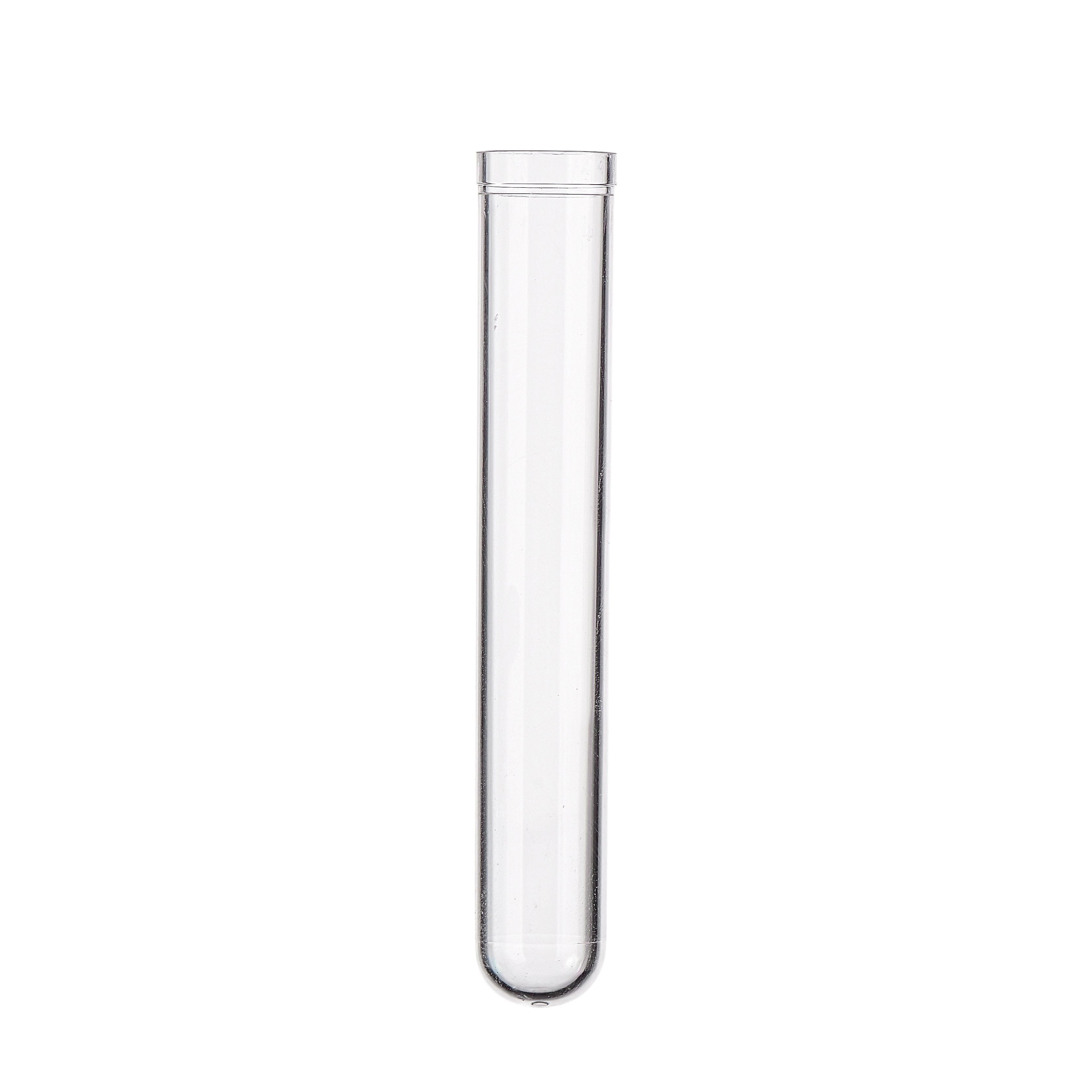
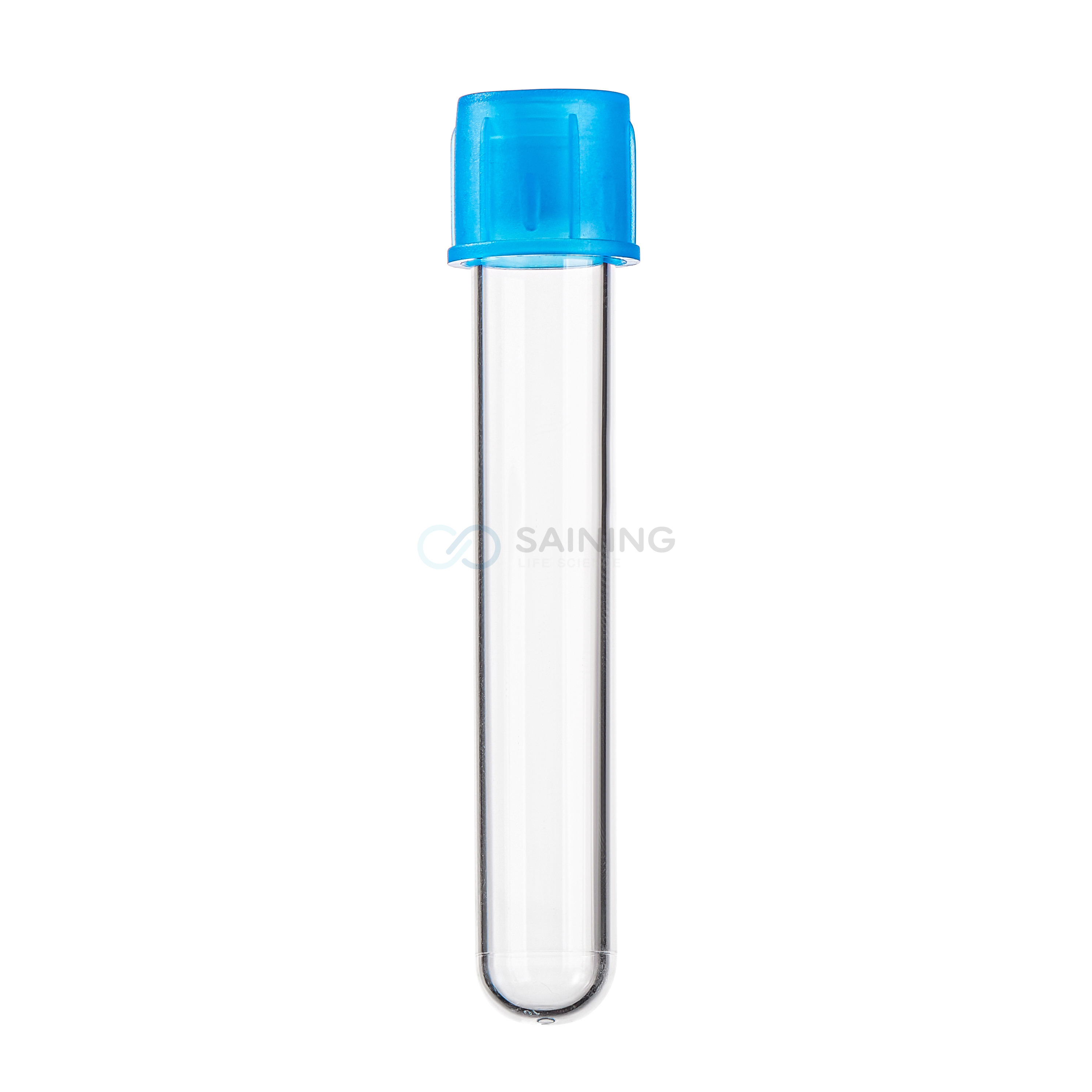
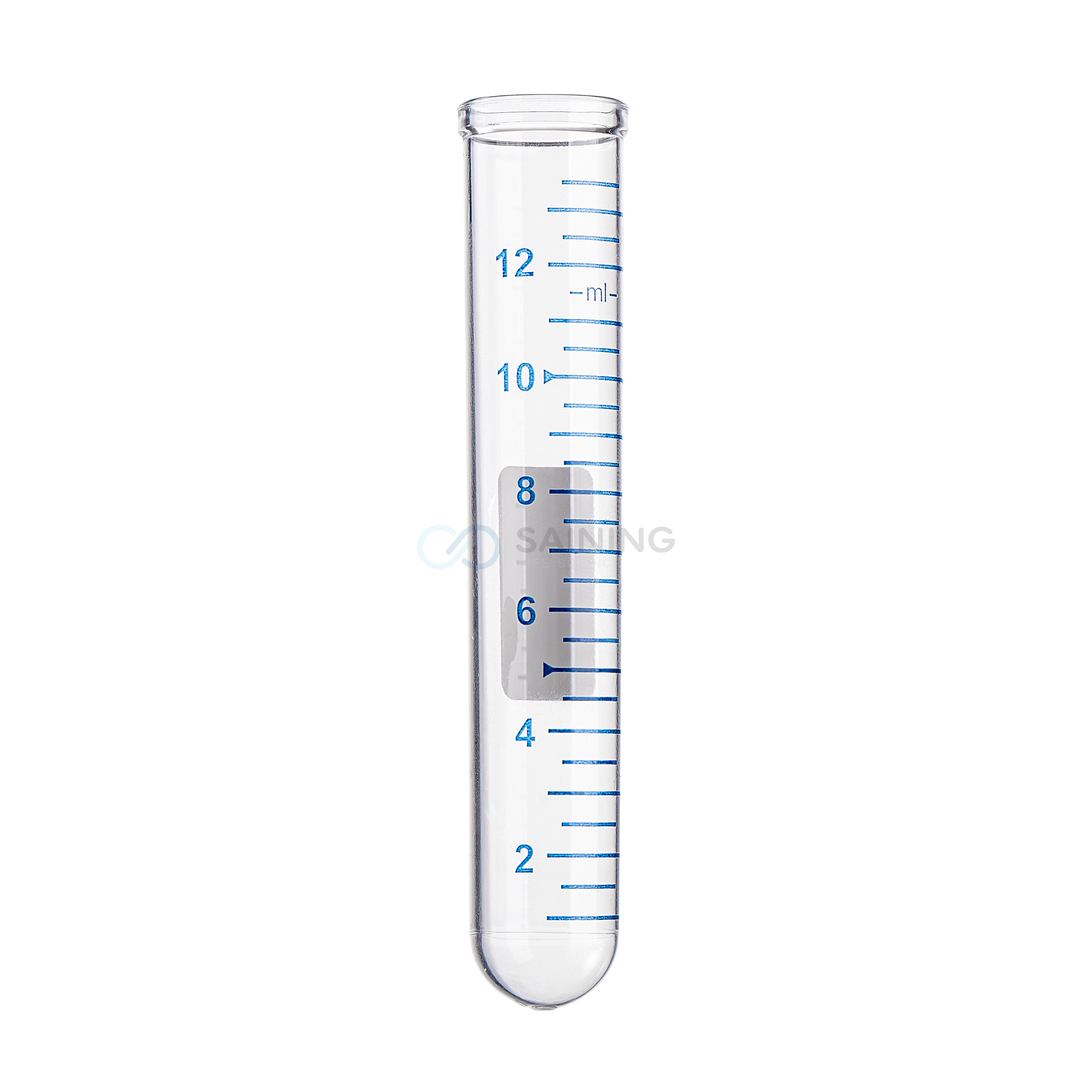
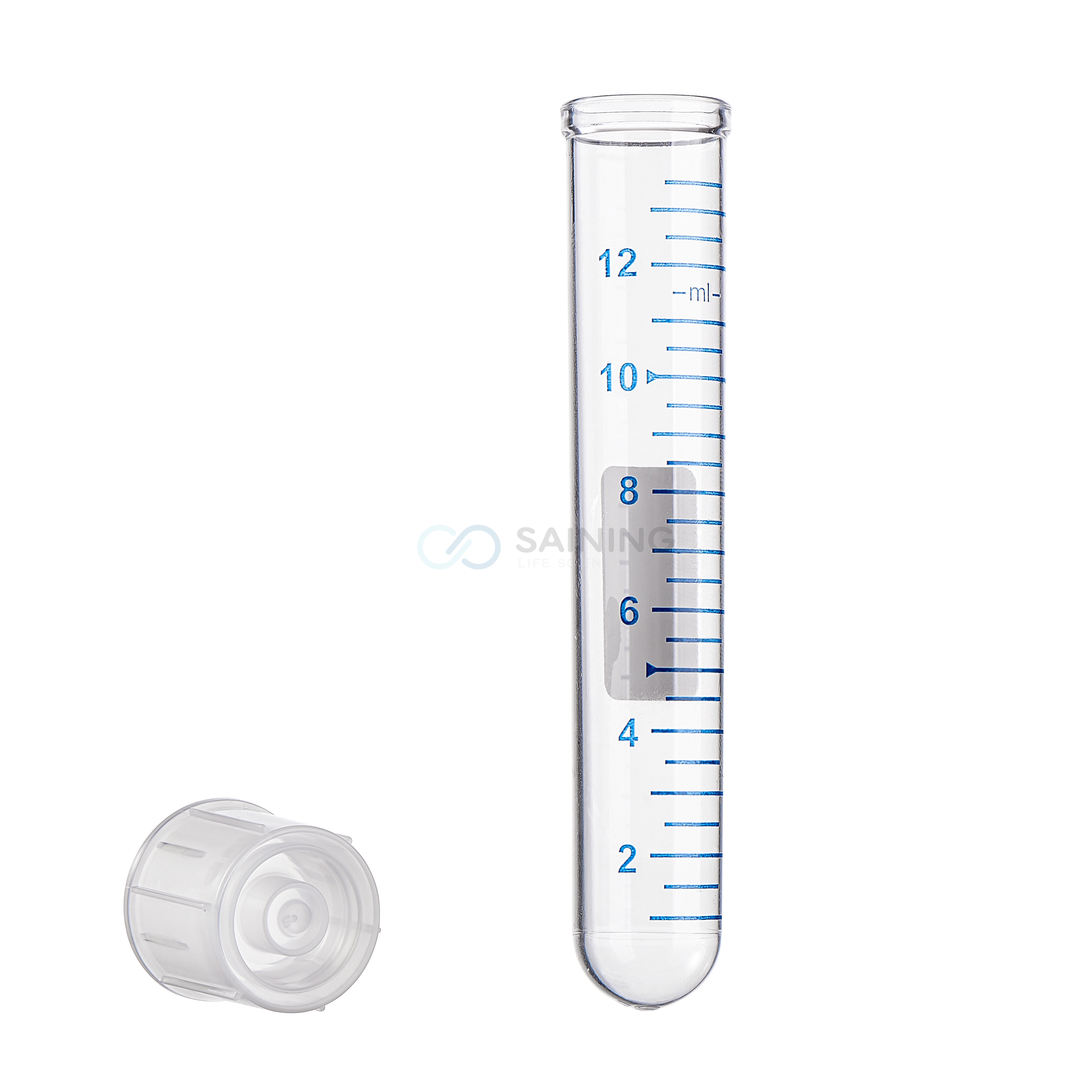
A FACS Tube — also referred to as a Flow Cytometry Tube or Cell Sorting Tube — is a specialized sample tube designed to support flow cytometry and cell‑sorting workflows. These tubes are typically manufactured from high‑quality, sterile plastic (commonly polypropylene or polystyrene) and shaped to fit standard flow cytometer or cell sorter rotor or sample‑handling systems. The primary purpose of a FACS Tube is to contain, preserve, and deliver cell suspensions (or sometimes particles) in a form that is compatible with sensitive flow cytometry instruments. They ensure that cells remain in suspension, free from debris or clumping, to allow accurate measurement of physical and fluorescent properties.
Flow Cytometry Tube: Applications in IVD and Research
Clinical Diagnostics (IVD)
In in‑vitro diagnostic workflows, a Flow Cytometry Tube is often used to hold patient-derived blood, bone marrow, or other liquid specimens. Using flow cytometry, clinicians can evaluate cell populations — such as lymphocytes, monocytes, or abnormal cell types — based on size, granularity, and fluorescence markers. The tube ensures small contamination and consistent sample handling, which supports reproducibility and reliability of diagnostic results.
Biomedical Research and Cell Biology
Researchers use Flow Cytometry Tubes to prepare single-cell suspensions from cultured cells, tissues, or primary samples. This enables analysis of cell-cycle status, surface markers, intracellular proteins, viability, apoptosis, proliferation, and other cellular traits at single-cell resolution. The tubes play a critical role in workflows that require precise cell counts, viability assessment, or fluorescent labeling, serving as the interface between sample preparation and cytometer analysis.
Cell Sorting and Downstream Applications
When using a Cell Sorting Tube, sorted cells — often separated based on fluorescence or light scatter properties — are collected directly into the tube. This enables downstream applications such as cell culture, RNA extraction, functional assays, or further molecular analyses. The tube's shape and material help maintain cell viability and sterility, which is essential for sensitive downstream processes like cell expansion or transcriptomic profiling.
Key Design Considerations for Cell Sorting Tubes
Sterility and Material Purity
Because flow cytometry and cell sorting often feed into clinical or sensitive research applications, tubes must be sterile, free of pyrogens, endotoxins, and nucleases. The use of medical‑grade plastics and sterile production environments helps reduce background noise, contamination risk, and cell damage.
Compatibility with Instruments
Flow cytometers and cell sorters vary by brand and model, but many accept standard 12×75 mm or 13×75 mm polystyrene or polypropylene tubes. Cell Sorting Tubes should match these dimensions to ensure proper alignment in rotor or sample racks. Tube caps should be secure to prevent leaks or spills during sorting, centrifugation, or transport.
Mechanical Strength and Seal Integrity
During sorting, cells are exposed to shear stress, pressure changes, and occasionally centrifugation. Tubes must resist cracking or deformation under stress. Caps — screw‑caps, snap‑caps, or plug‑in caps — must maintain a tight seal to avoid loss of sample or contamination.
Low‑Binding Surfaces and Non‑Reactiveness
Some experiments involve sensitive cells that respond to surface interactions (e.g. binding, activation, or apoptosis). Using low‑binding or certified inert plastics helps less cell adhesion to tube walls, reducing loss and preserving viability and function.
Ideal Practices for Using FACS / Flow Cytometry / Cell Sorting Tubes
- Pre‑inspection before use: Even sterile tubes may accumulate dust or residue during storage. Before adding sample, visually inspect the tube and cap to ensure cleanliness.
- Proper labeling: Clearly label tubes with sample ID, date, staining panel, and other relevant information. Mislabeling or lacking labels can prominent to data mix‑ups.
- Use appropriate buffer and volume: Use recommended buffer (e.g. PBS with or without serum, as per protocol) and ensure sufficient volume to keep cells in suspension without excessive dilution.
- Gentle sample handling: When transferring cells, avoid vigorous pipetting; mix gently by flicking or slow inversion. Vigorous handling can damage cell membranes or introduce debris.
- Avoid multiple freeze‑thaw cycles: If storing cells, less freeze–thaw cycles to preserve viability and prevent cell lysis. Preferably, sort fresh cells or store aliquots separately.
Regulatory and Quality Considerations
Because these tubes are often used in clinical diagnostics or preclinical research, maintaining compliance with applicable standards (e.g. sterility control, traceability, batch documentation) is important. Manufacturers should implement rigorous quality control, including sterility testing, endotoxin tests, and documentation of material certificates. For export, documentation may include ISO compliance, material safety data sheets (MSDS), and batch traceability.

