



 中文简体
中文简体 English
Chamber Slide Factory

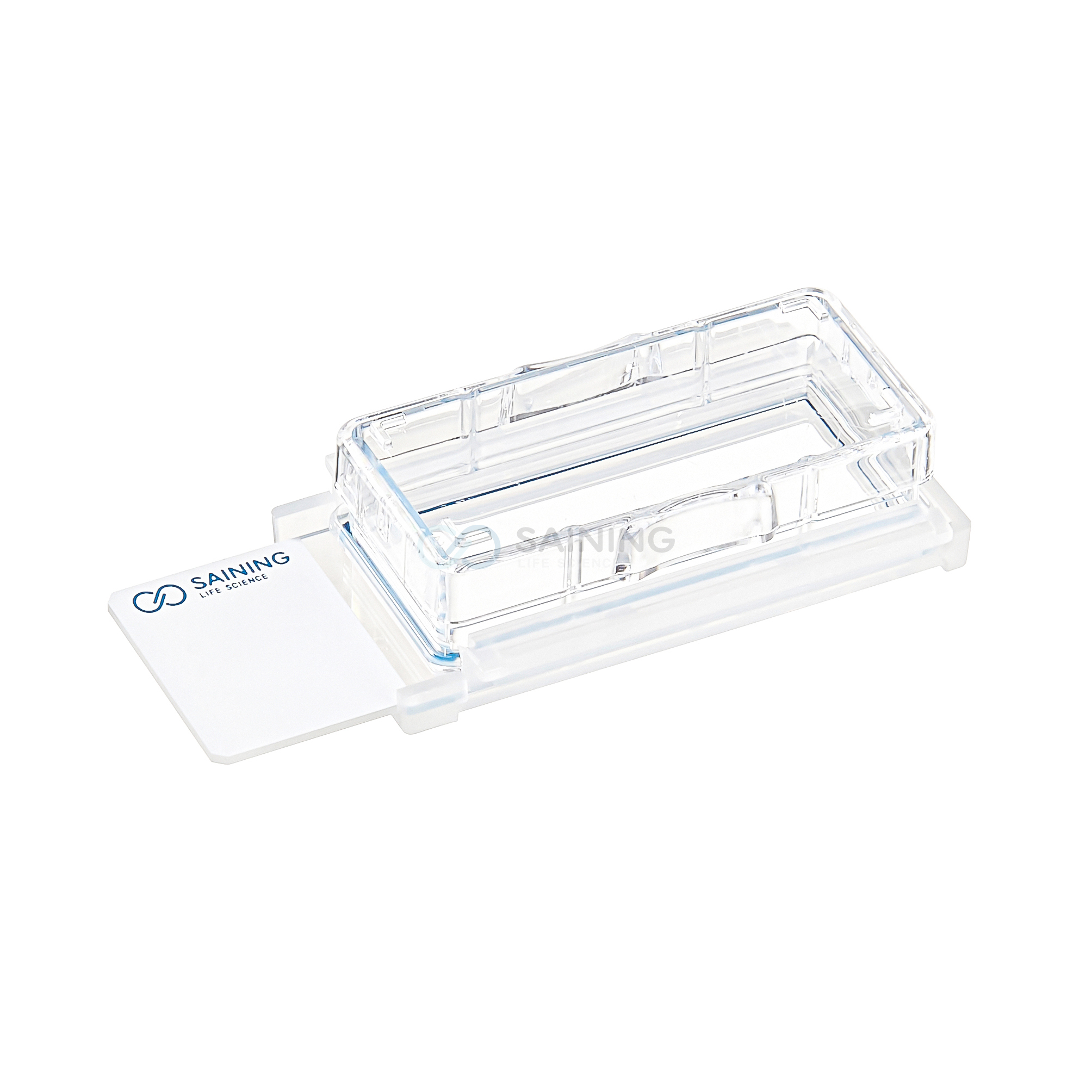
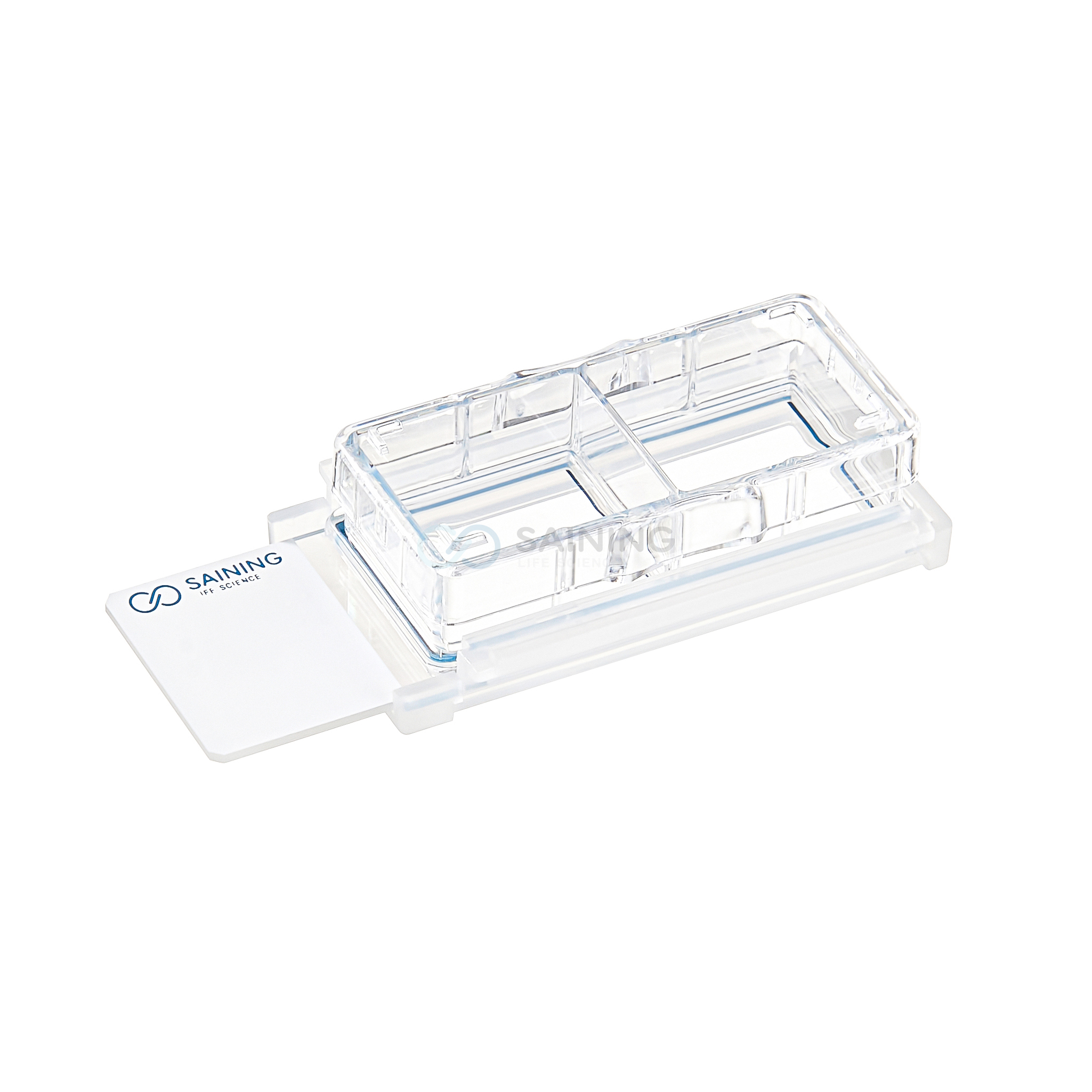
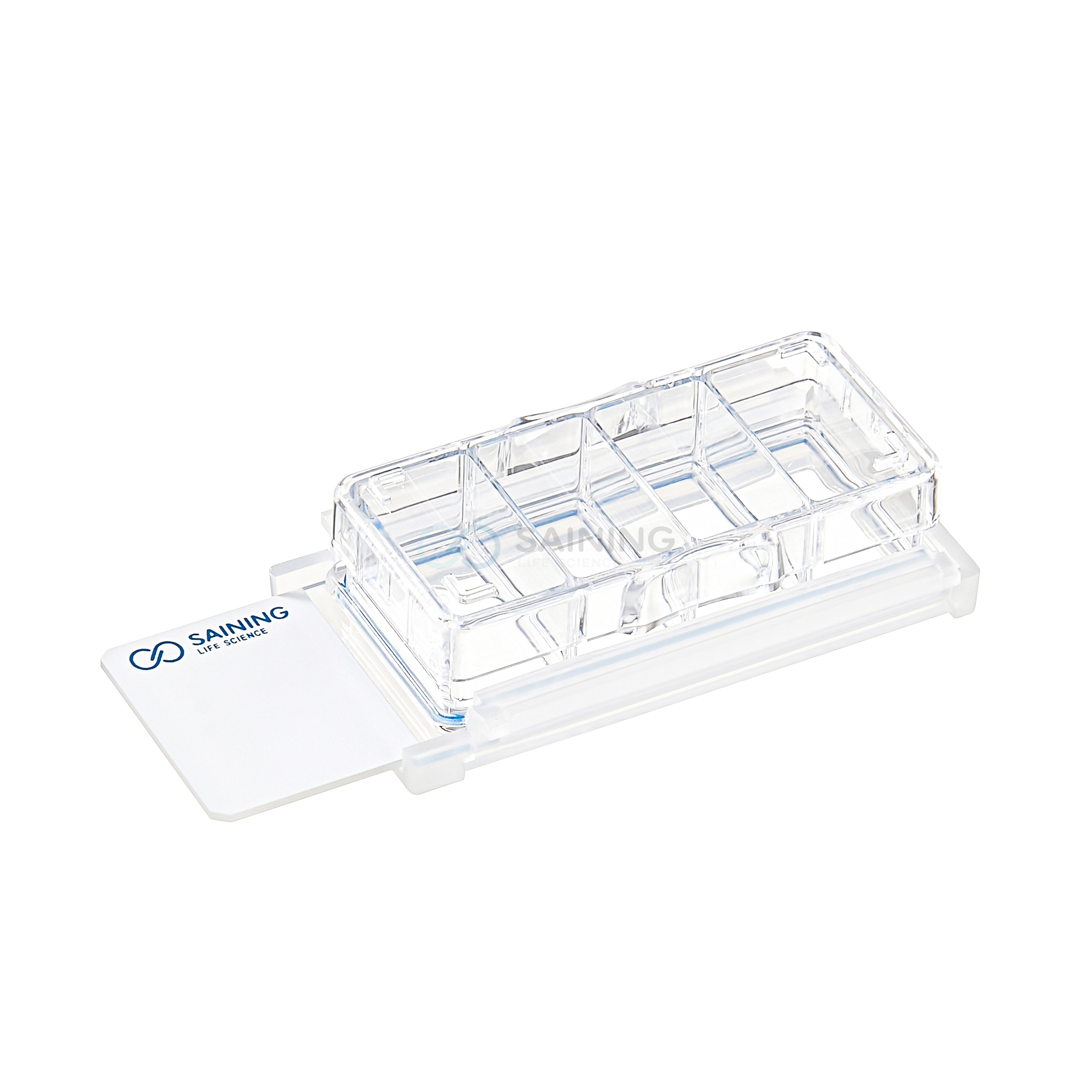
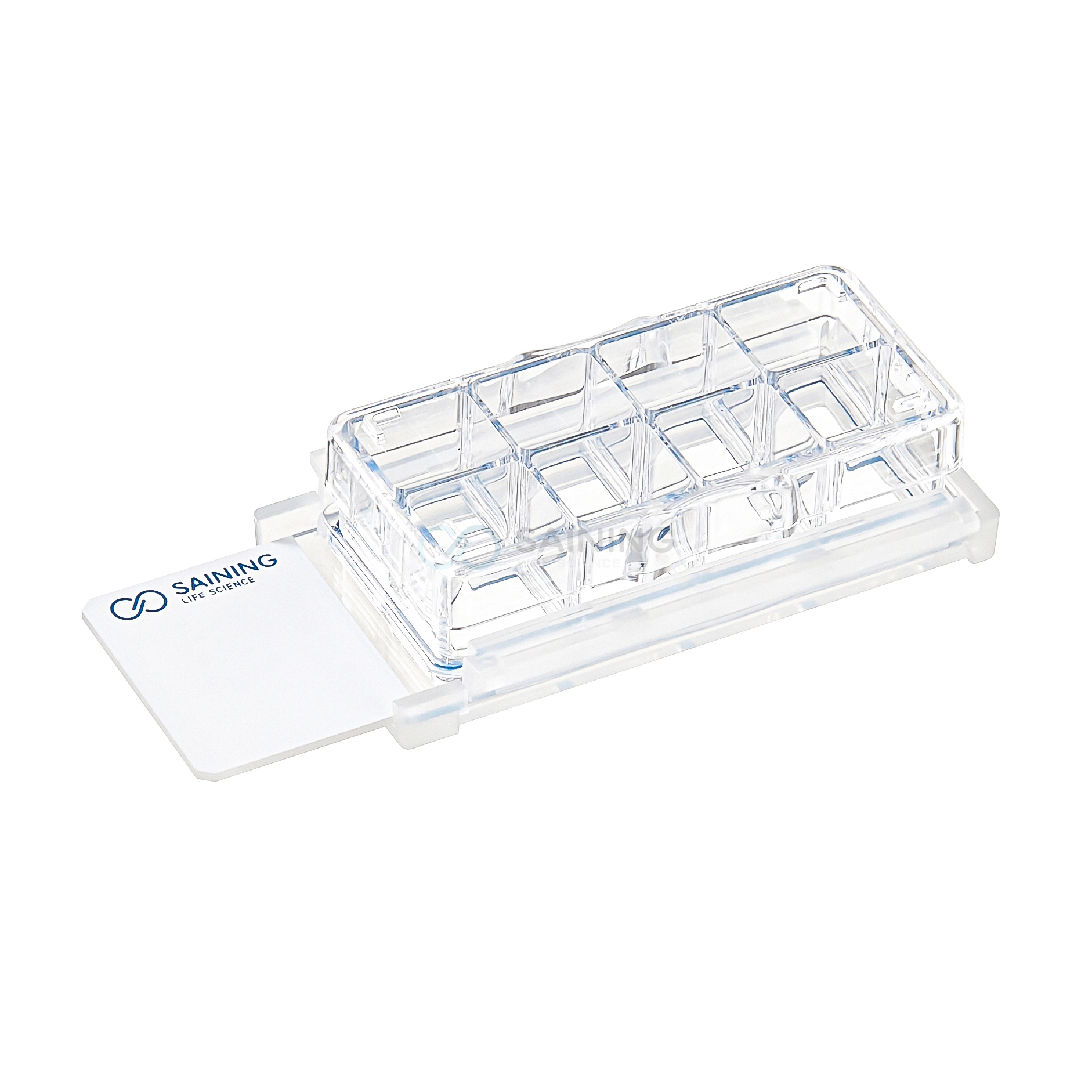


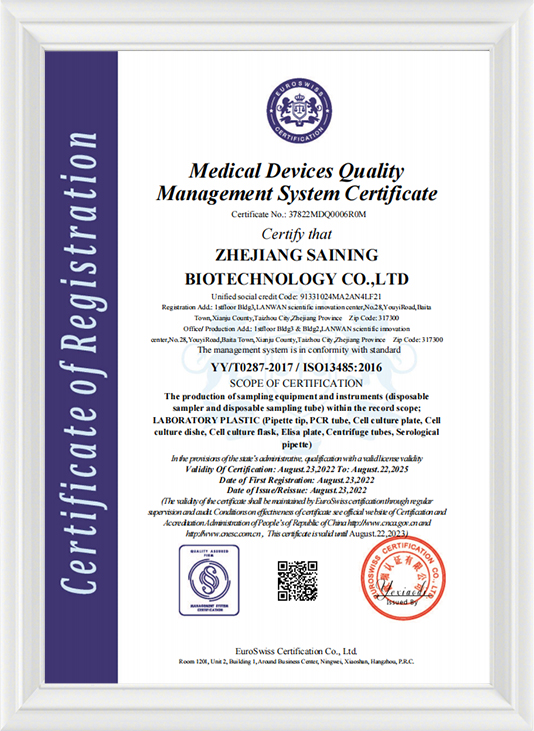
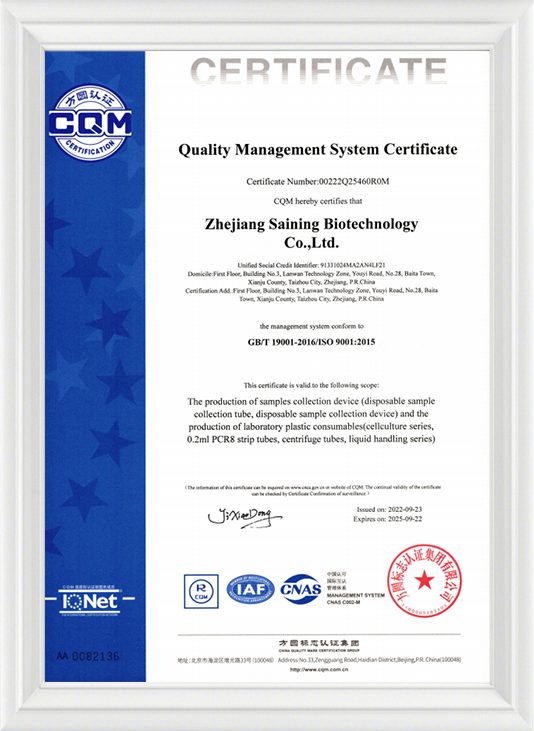
Since its establishment, the company has developed rapidly and now has a 100,000-level purification workshop of 15,000 square meters, a factory area of 30,000 square meters, a Suzhou technology research and development center, a Suzhou production base and a Taizhou production base. The main products include cell culture, biological detection liquid processing, medical equipment, safety protection, etc., which can be widely used in testing institutions (IVD), biological research, medical treatment, new drug research and development, laboratory scientific research and other fields. The product has performance and high quality. After testing by third-party testing agencies and relevant scientific research units, it has the ability to replace high-quality imported products.



-
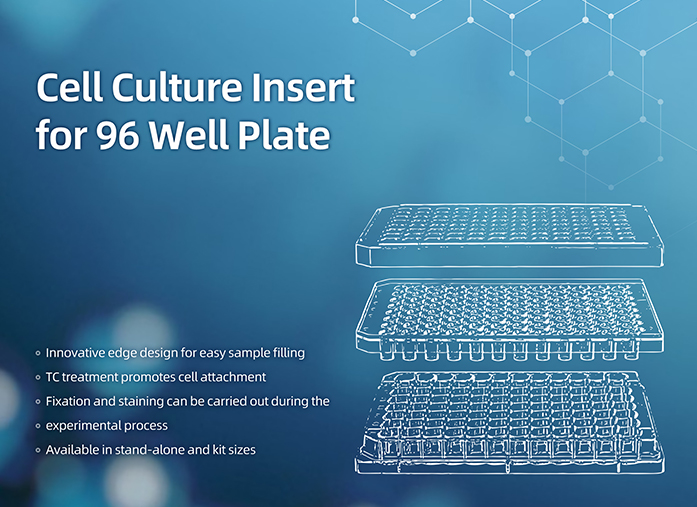
A distributor sourcing plates for an IVD assay developer often assumes that every 96-well format matching the standard 8...

-
Cell biology labs stocking harvesting tools keep debating a practical design question: do silicone-tipped scraper blades...
Chamber Slide Industry Knowledge
Coverslip: Purpose and Key Considerations
A Coverslip is a thin, flat piece of glass or plastic used to cover specimens on a microscope slide. It plays a critical role in microscopy and sample observation under high magnification. When a specimen is placed on a slide, the coverslip gently flattens the sample, limits the thickness, and protects both the specimen and the microscope objective from damage or contamination.
Using the right coverslip involves considering factors such as thickness, material, and optical clarity. Glass coverslips are generally preferred for high‑resolution imaging due to their optical properties and refractive index matching glass microscope slides. Plastic coverslips, on the other hand, are useful when working with live cells, non‑fixed samples, or when breakage risk must be lessd — for instance in educational labs or high-throughput screening settings.
Another important consideration is thickness uniformity and tolerance. If the coverslip is too thick or uneven, it can distort the light path and degrade image quality. For fluorescence microscopy and high‑resolution imaging, the use of a coverslip with precise thickness and small autofluorescence is key. In addition, compatibility with immersion oil (for oil‑immersion objectives) should be ensured when relevant.
In summary, selecting a coverslip requires balancing optical quality, material durability, and compatibility with the microscopy method and sample type. Coverslips remain a fundamental consumable for any laboratory conducting microscopy — whether in pathology, cell biology, or basic research.
Chamber Slide: Combining Culture and Observation
A Chamber Slide refers to a slide that includes an attached chamber (or multiple chambers) where cells or samples can be cultured, incubated, and processed directly. Instead of growing cells in a dish and then transferring them to a slide for observation, a chamber slide allows both culture and microscopy preparations in the same unit.
This integrated design simplifies workflows: after seeding cells into the chamber and allowing them to grow or respond to treatments, the researcher can directly fix, stain, or observe under a microscope without additional handling or transfer steps. This reduces sample loss, less disturbance to delicate cells, and helps maintain spatial orientation — a key advantage especially when working with precious or sensitive cell types.
Chamber slides are often fabricated from materials compatible with cell culture — such as polystyrene, glass, or special plastics — providing a surface where cells adhere, spread, or form desired morphologies. The chamber design also ensures sterility during culture, and many chamber slides are designed for single use to prevent cross‑contamination between experiments. Seals or lids may be included to preserve sterility and prevent evaporation during incubation.
In addition, chamber slides support various downstream assays. After culture, cells can be fixed and stained in situ, allowing immunocytochemistry, fluorescence staining, or morphological analysis in the same slide. For researchers monitoring changes over time — such as differentiation, proliferation, or response to treatment — chamber slides provide a seamless transition from culture to imaging.
Thus, chamber slides represent a valuable bridge between cell culture and microscopy, offering convenience, reduced handling, and preserved sample integrity.
Cell‑culture Chamber Slide: Specialized for Live Cell Work and Imaging
The term Cell‑culture Chamber Slide highlights that the slide is explicitly designed for culturing live cells — often mammalian or primary cells — under controlled conditions, and then directly observing them under the microscope. Compared with general chamber slides, these are optimized for biocompatibility, sterility, and imaging quality.
Key design aspects for cell‑culture chamber slides include:
- A tissue‑culture treated surface to promote cell adhesion and growth, ensuring cells attach evenly and spread properly.
- A chamber geometry allowing sufficient medium volume while preserving optical access from below for microscopy.
- Use of materials with low autofluorescence and good optical clarity, to allow high‑quality fluorescence imaging or high‑resolution brightfield/phase‑contrast microscopy.
- Capability for sterile sealing or gas exchange — for example, a lid or cap that allows CO₂ exchange while maintaining sterility during incubation.
Because they allow you to seed cells, treat them, and then directly perform imaging-based assays (live-cell imaging, immunofluorescence, morphological studies) in the same vessel, cell‑culture chamber slides reduce handling and stress on cells. They also reduce sample loss from transfers, which is especially beneficial when working with limited or precious cell samples.
In many workflows, after an experiment (such as a drug treatment, gene transfection, differentiation protocol, or environmental stress), researchers need to observe cell morphology, marker expression, or subcellular localization under the microscope. Using cell‑culture chamber slides simplifies this, because the cells are already in a slide format suited for imaging. Post-processing steps like fixation, permeabilization, blocking, and staining can be done directly — saving time and reducing variability.
Therefore, cell‑culture chamber slides serve as a versatile, efficient platform that integrates culture, treatment, and observation — ideal for labs working in cell biology, drug development, toxicology, immunology, and other life‑science fields.
Why Coverslip, Chamber Slide, and Cell‑culture Chamber Slide Remain Essential for Research and Diagnostics
Even with advances in automated imaging, high-throughput screening, and advanced microscopes, fundamental consumables like coverslips and chamber slides remain central to many workflows. They provide:
- Flexibility: Researchers can customize assays, select staining protocols, and choose between live‑cell imaging or fixed‑cell analysis.
- Control: Small‑scale experiments, time‑course studies, and manual interventions remain manageable.
- Compatibility: They work with a wide range of microscopes — from simple brightfield microscopes to complex confocal, fluorescence, or phase‑contrast systems.
- Cost‑effectiveness: Instead of investing in large automated systems, labs can conduct many experiments using these consumables with relatively modest equipment.
- Sample preservation & integrity: Especially with chamber slides and cell‑culture chamber slides, sample transfer is less, reducing potential cell stress, loss, or contamination.
For diagnostic laboratories (IVD), academic research centers, or pharmaceutical‑industry labs, the ability to culture cells, treat them, and then directly observe under a microscope remains fundamental. Coverslips and chamber‑based slides facilitate both routine and advanced workflows, from cytology and histology to immunofluorescence and cell‑based assays.
Product Selection Guidelines for Laboratory Use
When selecting between coverslips, chamber slides, and cell‑culture chamber slides, consider the following:
- Application type: For fixed samples or simple smear preparations, standard coverslips suffice. For cell culture followed by microscopy (adhesion assays, morphology studies, immunostaining), chamber slides or cell‑culture chamber slides are appropriate.
- Cell type and assay requirements: For sensitive or adherent mammalian cells, choose chamber slides with tissue-culture-treated surfaces and low autofluorescence. For fluorescence imaging, ensure the material and coverslip thickness are compatible with the objectives and immersion media.
- Throughput and sterility needs: For experiments requiring sterile conditions and small cross‑contamination, opt for single‑use sterilized chamber slides or cell‑culture chamber slides. For reproducible imaging, consistency of coverslip thickness and optical clarity is crucial.
- Post‑culture processing: If downstream steps include fixation, permeabilization, staining, chamber slides simplify handling; coverslips are ideal for simple fixed samples or mounted specimens.

