



 中文简体
中文简体 English
Molecular Testing Consumables Factory
Molecular biology consumables for molecular testing are designed to help you achieve high-quality and reproducible experimental results in your daily research applications, including PCR, molecular cloning, ELISA, and nucleic acid extraction.
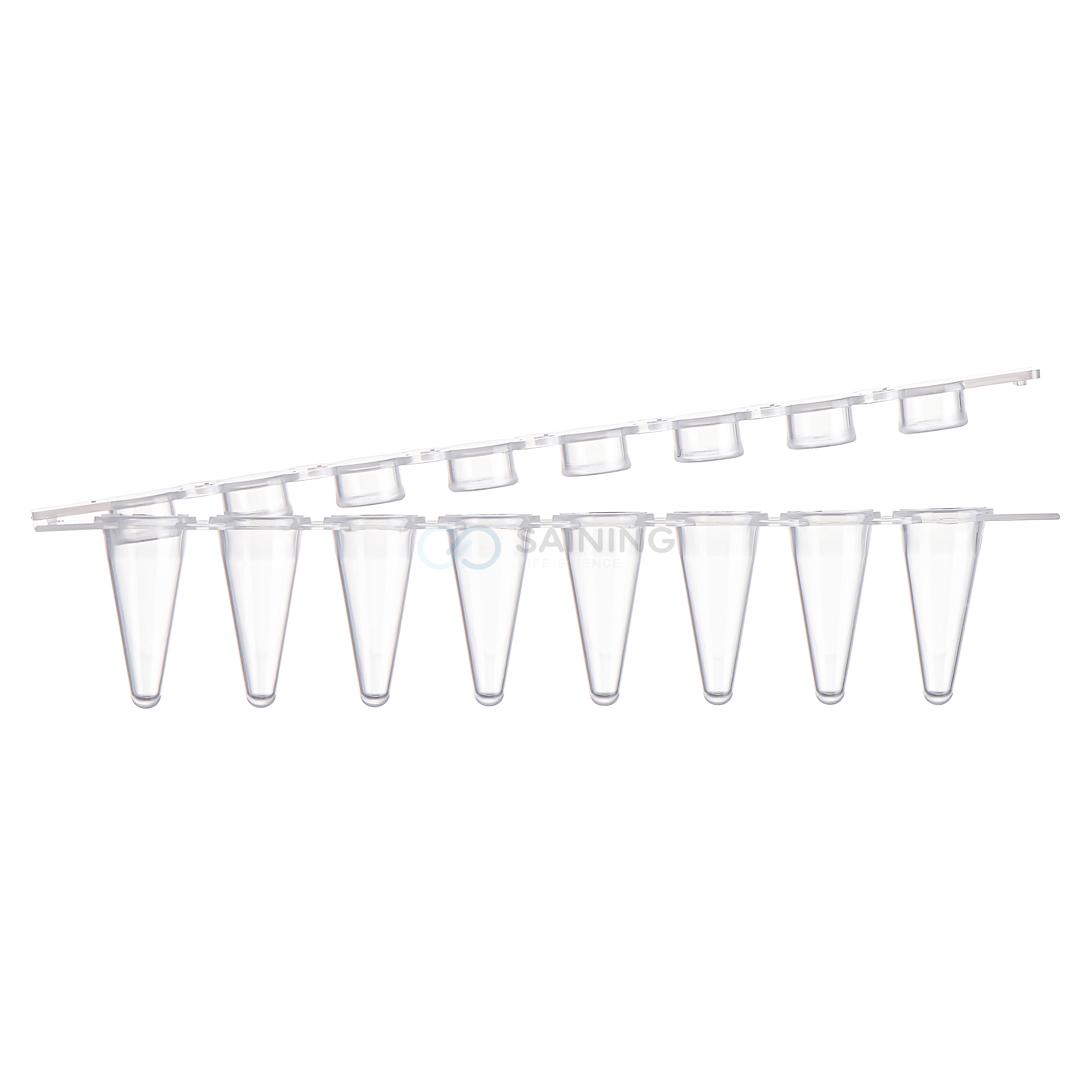
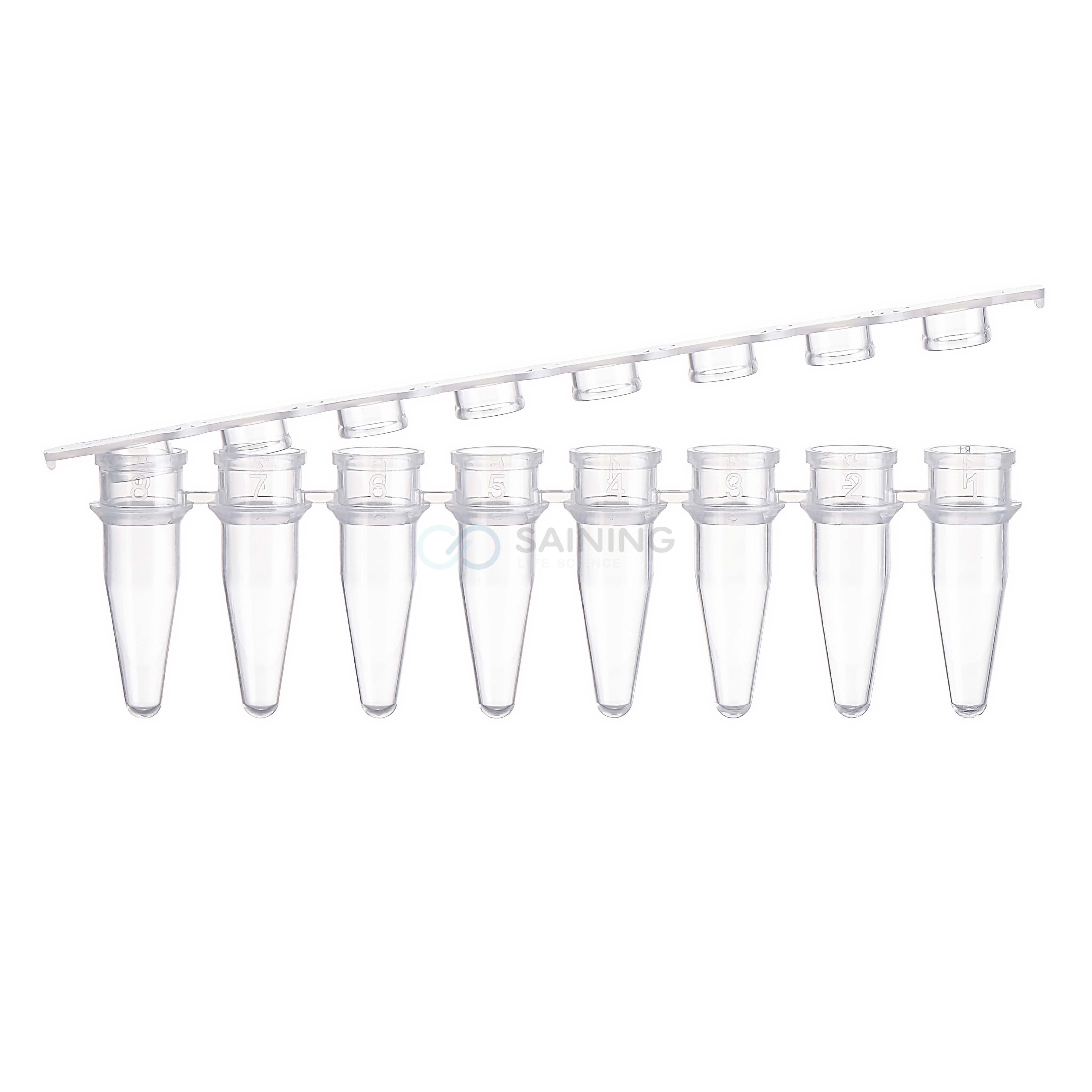
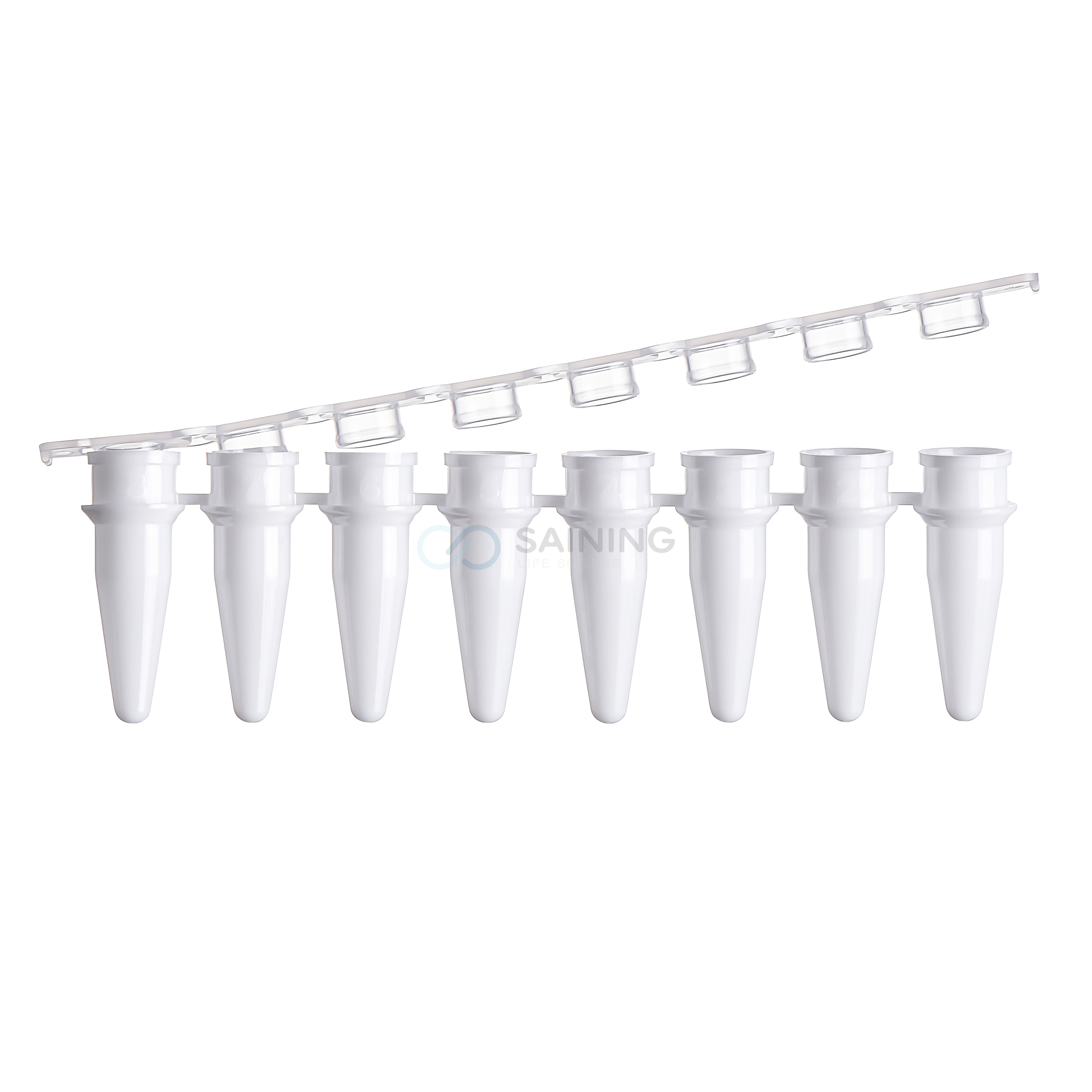
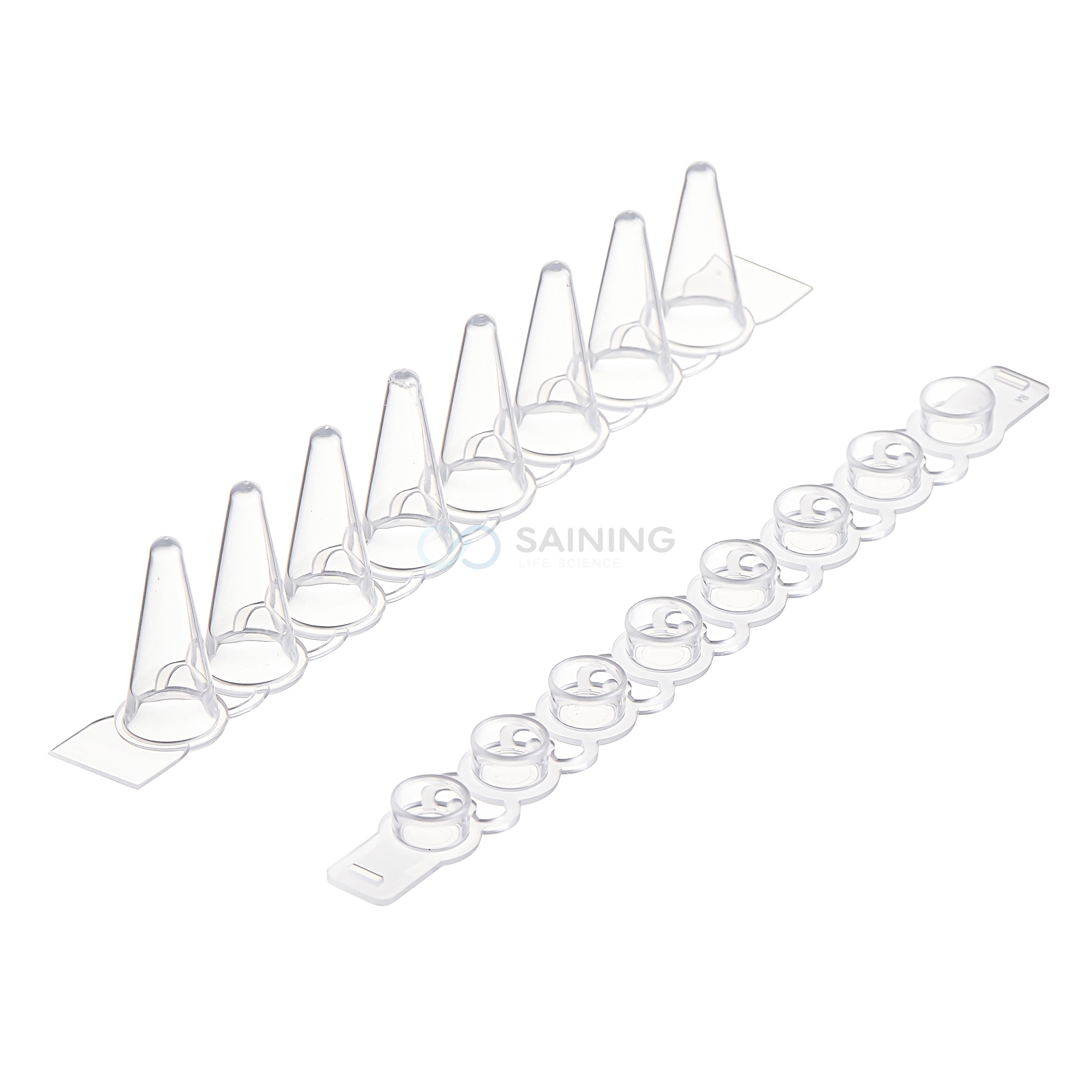
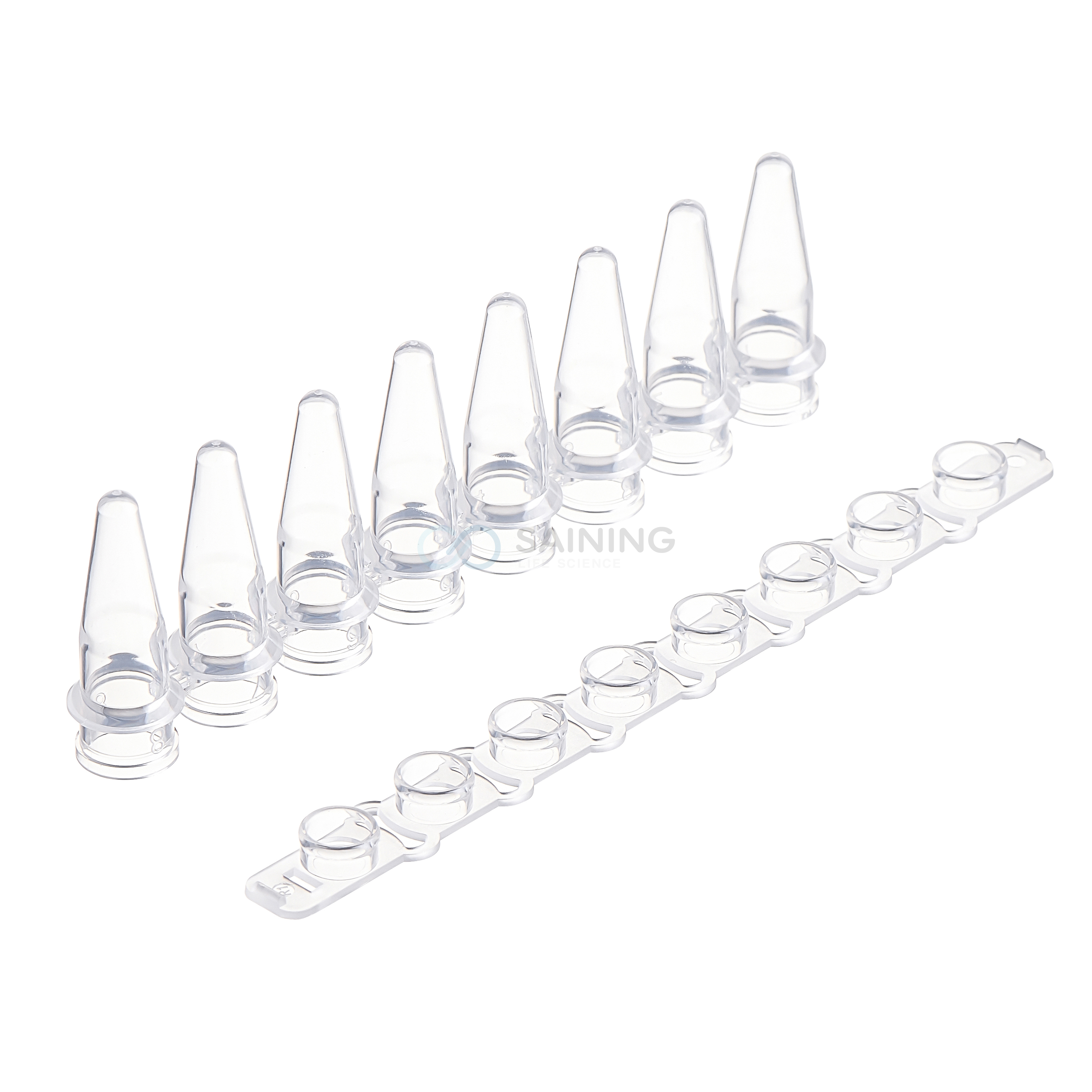
We offer innovative and high-quality plastic consumables such as PCR tubes, PCR microplates, enzyme-linked immunosorbent assay (ELISA) plates, and deep well plates to accelerate your molecular biology research.


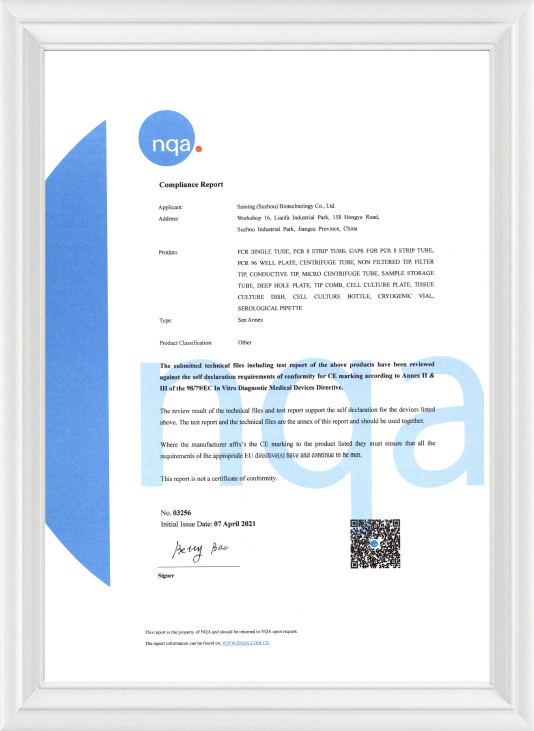
Since its establishment, the company has developed rapidly and now has a 100,000-level purification workshop of 15,000 square meters, a factory area of 30,000 square meters, a Suzhou technology research and development center, a Suzhou production base and a Taizhou production base. The main products include cell culture, biological detection liquid processing, medical equipment, safety protection, etc., which can be widely used in testing institutions (IVD), biological research, medical treatment, new drug research and development, laboratory scientific research and other fields. The product has performance and high quality. After testing by third-party testing agencies and relevant scientific research units, it has the ability to replace high-quality imported products.




-
Clear reading of liquid volume marks may seem like an easy task, but technicians and scientists often struggle when work...

-
Pipetting accuracy is a cornerstone of reliable lab work, whether you are transferring reagents into microplates or deca...
Molecular Testing Consumables Industry Knowledge
Molecular Testing Consumables: Foundation for Reliable Molecular Diagnostics
Molecular Testing Consumables represent a critical category of laboratory supplies that support nucleic acid-based assays, including PCR, RT‑PCR, sequencing, and other molecular detection methods. These consumables typically include items such as sample collection tubes, swabs, nucleic acid extraction kits (or containers), reaction tubes and plate strips, pipette tips (sterile, filtered), and other accessories designed to maintain sample integrity and avoid contamination.
Using properly manufactured Molecular Testing Consumables helps ensure the purity and stability of DNA/RNA, reduce the risk of cross-contamination, and support repeatable results. For in vitro diagnostic (IVD) applications, these consumables must meet strict quality and sterility standards; for research labs, they must deliver consistent performance across multiple experiments. Material selection, sterilization, lot-to-lot consistency, and manufacturing environment are all important factors. In short, Molecular Testing Consumables form the backbone of dependable molecular diagnostics workflows, whether in clinical diagnostics, research, or drug development settings.
ELISA Plate: A Versatile Tool for Immunoassays and Biomarker Detection
The ELISA Plate is a specialized consumable used in enzyme‑linked immunosorbent assays (ELISA), immuno‑binding assays, and other plate‑based detection methods. Usually manufactured from high‑quality polystyrene or other injection‑molded plastic, the design ensures consistent well shape, volume, and surface characteristics that support protein binding and antibody‑antigen interactions.
In immunodiagnostic labs, ELISA Plates provide a standardized platform for quantifying proteins, antibodies, antigens, or other biomolecules. Their surface treatment affects binding efficiency and background noise; poorly made plates can prominent to inconsistent binding, higher background, or variability between wells. For laboratories carrying out large numbers of assays, using well‑manufactured ELISA Plates helps improve reproducibility, reduce sample and reagent waste, and streamline workflow.
Beyond traditional colorimetric ELISA, more advanced applications may rely on chemiluminescence or fluorescence detection. In those scenarios, ELISA Plates must also meet optical clarity requirements and be compatible with plate readers. As such, proper plate manufacturing, rigorous quality control, and batch consistency are critical for reproducible immunoassay results in diagnostic, research, or drug screening workflows.
Molecular Diagnostics Consumables: Support Across Diagnostic and Research Settings
The term Molecular Diagnostics Consumables broadly covers any laboratory supplies used in nucleic acid–based diagnostics and research. This includes sample collection devices, nucleic acid isolation materials, reaction vessels (tubes, strips, plates), pipetting consumables, and storage tubes. They serve the needs of molecular testing for pathogens, genetic analysis, gene expression studies, and more.
In clinical diagnostics settings, Molecular Diagnostics Consumables must comply with regulatory requirements, maintain sterility, avoid nucleases or chemical inhibitors, and ensure tight sealing to protect sample integrity. In research or drug‑development labs, consistent material quality helps ensure that experiments can be reproduced reliably over time.
Quality-controlled manufacturing environments, traceability of batches, validated sterilization, and absence of nucleic‑acid degrading contaminants are key. Many global labs now emphasize supply chain transparency and quality assurance for consumables in this category. For users, selecting consumables from a reliable manufacturer can reduce risk of assay failure, sample loss, or contamination — which is especially important in high-stakes settings such as clinical diagnostics or new drug development.
How Molecular Testing Consumables and ELISA Plates Impact Laboratory Workflow
Choosing proper Molecular Testing Consumables and ELISA Plates can significantly impact the efficiency, reproducibility, and accuracy of lab workflows. Poor-quality consumables may introduce background noise, cross‑contamination, enzyme inhibitors, or prominent to inconsistent volumes — all of which can invalidate entire experiments or diagnostic tests.
On the other hand, high‑quality consumables help labs less sample and reagent waste, reduce repeat testing, and support high throughput workflows. For example, pre‑sterilized, DNA/RNA‑free reaction tubes and filtered pipette tips reduce contamination; well‑manufactured ELISA Plates ensure consistent binding and measurement; color‑clear plastics compatible with plate readers enable reliable readouts in immunoassays.
Consistency across production lots also supports long‑term reproducibility: when consumables behave the same across batches, labs can trust that results derive from biological variation, not from consumable variability. For diagnostic labs or drug‑development labs performing repeated assays, this stability is especially valuable.
Industry Trends and Considerations for Molecular Diagnostics Consumables and ELISA Plates
In recent years, demand has increased for consumables that support higher throughput, automation, and integration. Labs increasingly adopt automated liquid‑handling systems and robot‑friendly formats. That places higher demands on consumables: plates and tubes must be precisely molded, with consistent dimensions and well-defined tolerances so automated pipetting or handling systems can operate reliably.
Another trend is growing awareness of contamination control and sample traceability. Many labs now require consumables to be certified as nuclease‑free, endotoxin‑free, DNase/RNase-free, pyrogen‑free — reducing the risk of false negatives or compromised sample integrity. For ELISA Plates, surface treatment uniformity and optical clarity are increasingly scrutinized, especially for fluorescence or chemiluminescence assays.
Furthermore, environmental and sustainability concerns are beginning to influence consumable design. Some labs and suppliers are exploring lower‑waste options, recyclable materials, or bulk packaging to reduce plastic waste — while balancing sterility and performance requirements. Manufacturers may offer sterilized multi‑well plates, tubes, tips in bulk packaging or re‑usable carriers to better combine performance, cost, and environmental responsibility.

