



 中文简体
中文简体 English
PCR Tube Factory


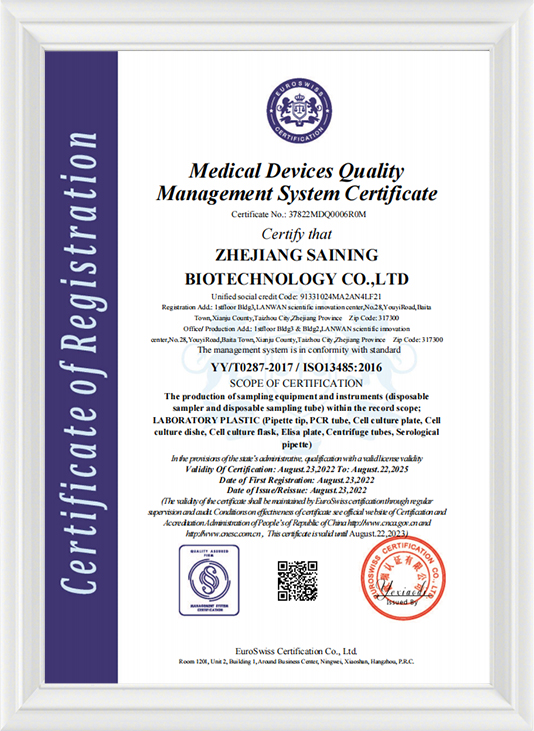
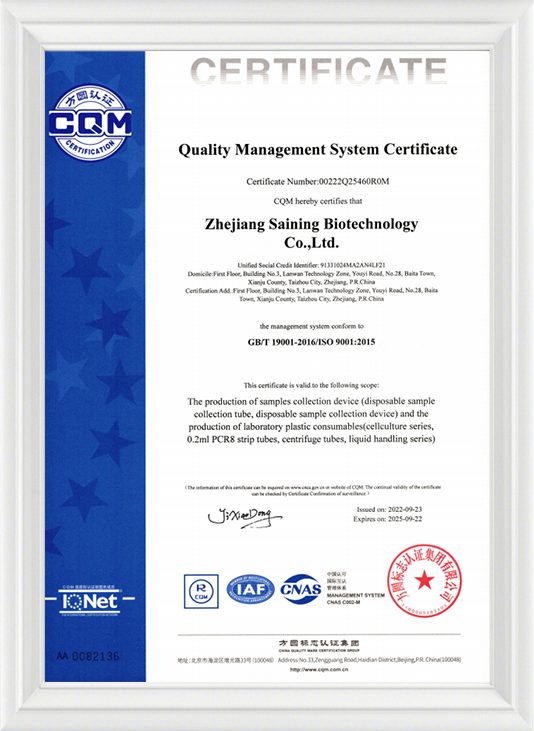
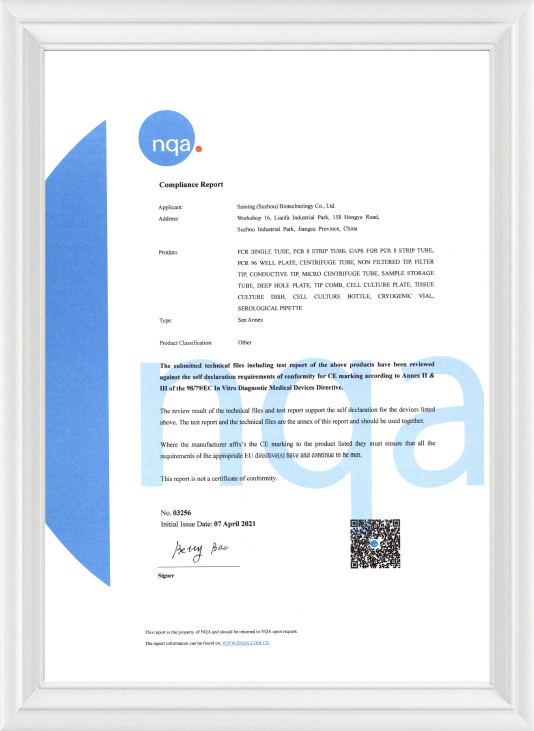
Since its establishment, the company has developed rapidly and now has a 100,000-level purification workshop of 15,000 square meters, a factory area of 30,000 square meters, a Suzhou technology research and development center, a Suzhou production base and a Taizhou production base. The main products include cell culture, biological detection liquid processing, medical equipment, safety protection, etc., which can be widely used in testing institutions (IVD), biological research, medical treatment, new drug research and development, laboratory scientific research and other fields. The product has performance and high quality. After testing by third-party testing agencies and relevant scientific research units, it has the ability to replace high-quality imported products.
-
A cap that lets in too little air starves a growing culture of gas exchange, while a cap that lets in too much invites c...

-
A plate that meets every dimensional and sterility specification on paper can still arrive compromised if the packaging ...
PCR Tube Industry Knowledge
PCR Tube: Foundation for Molecular Testing and Diagnostics
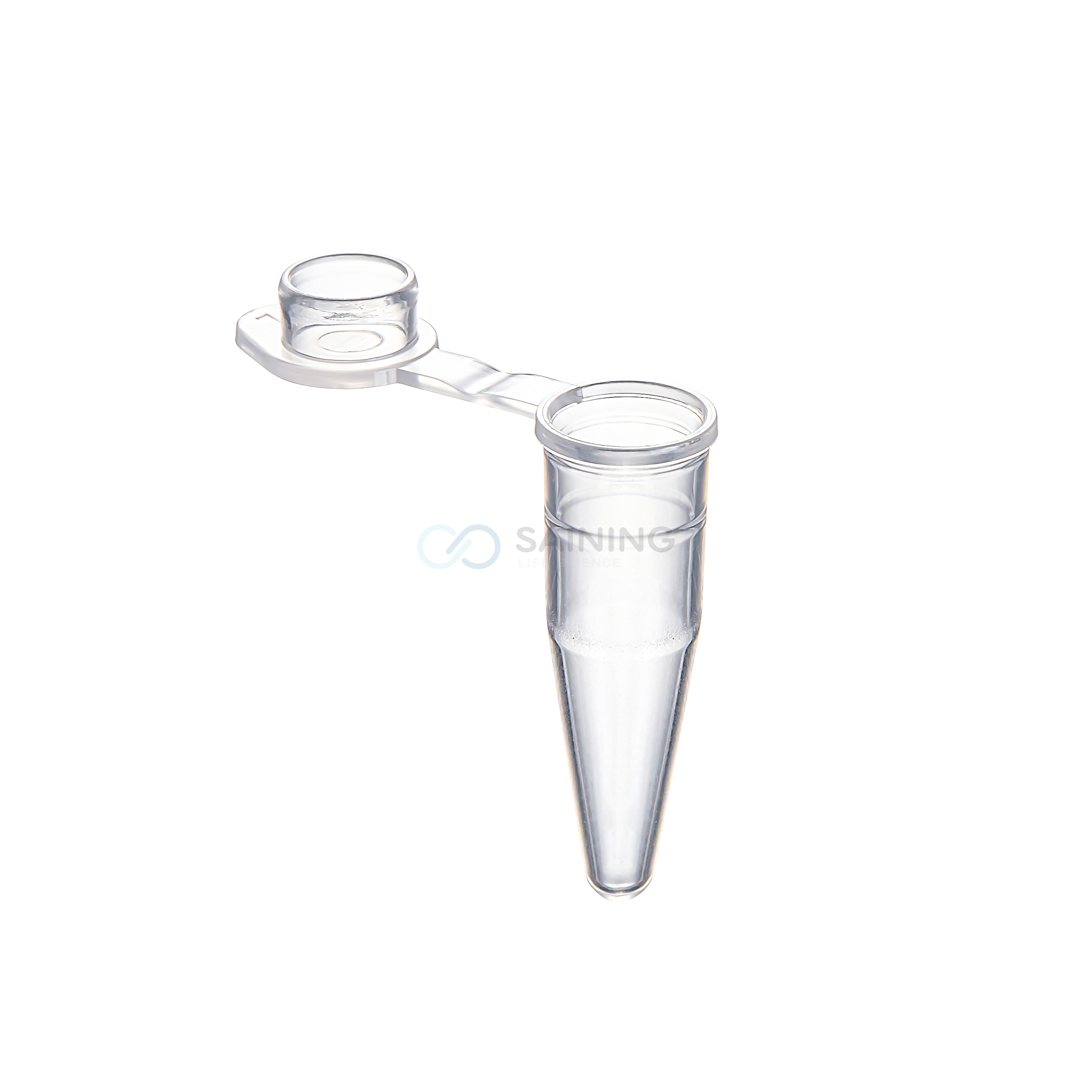
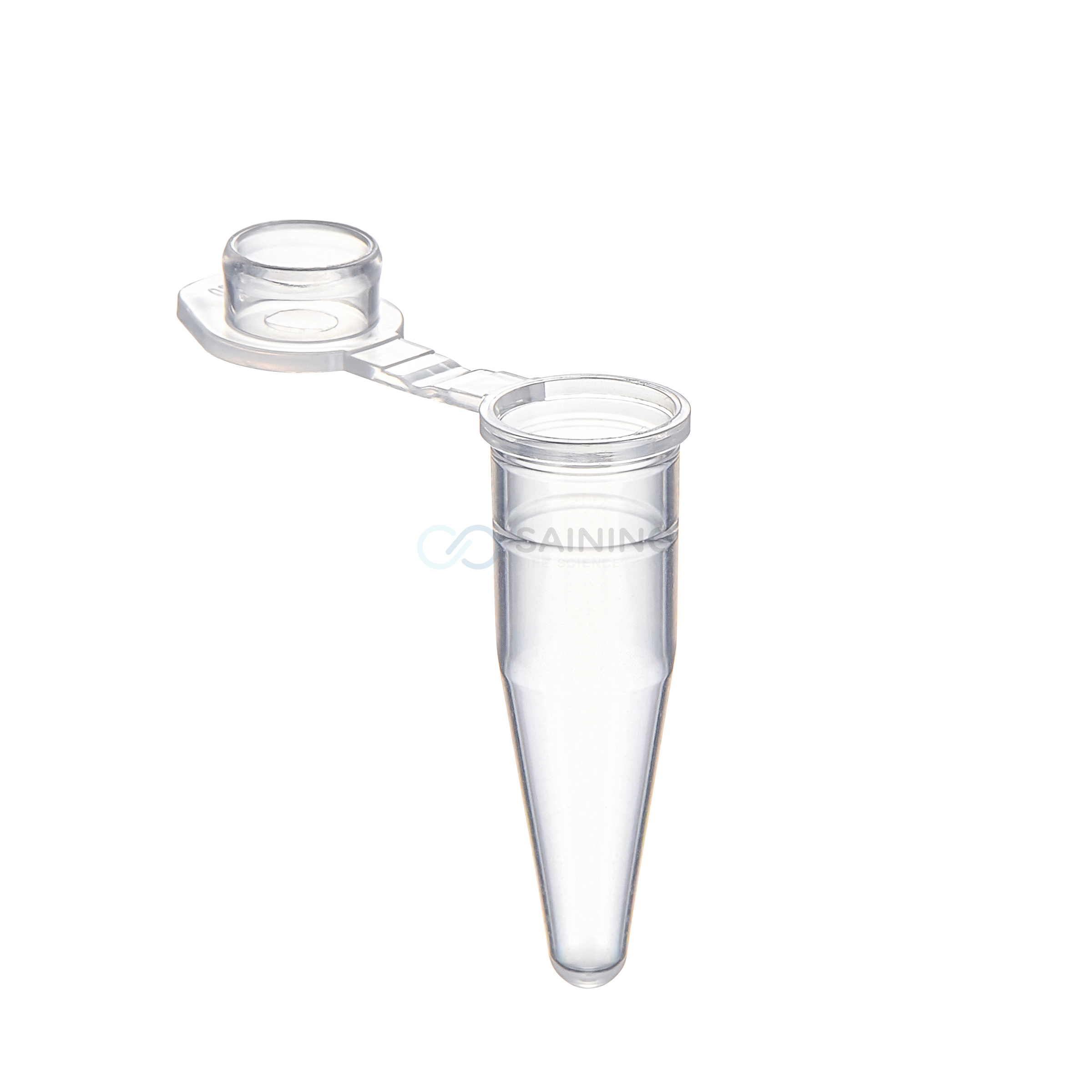
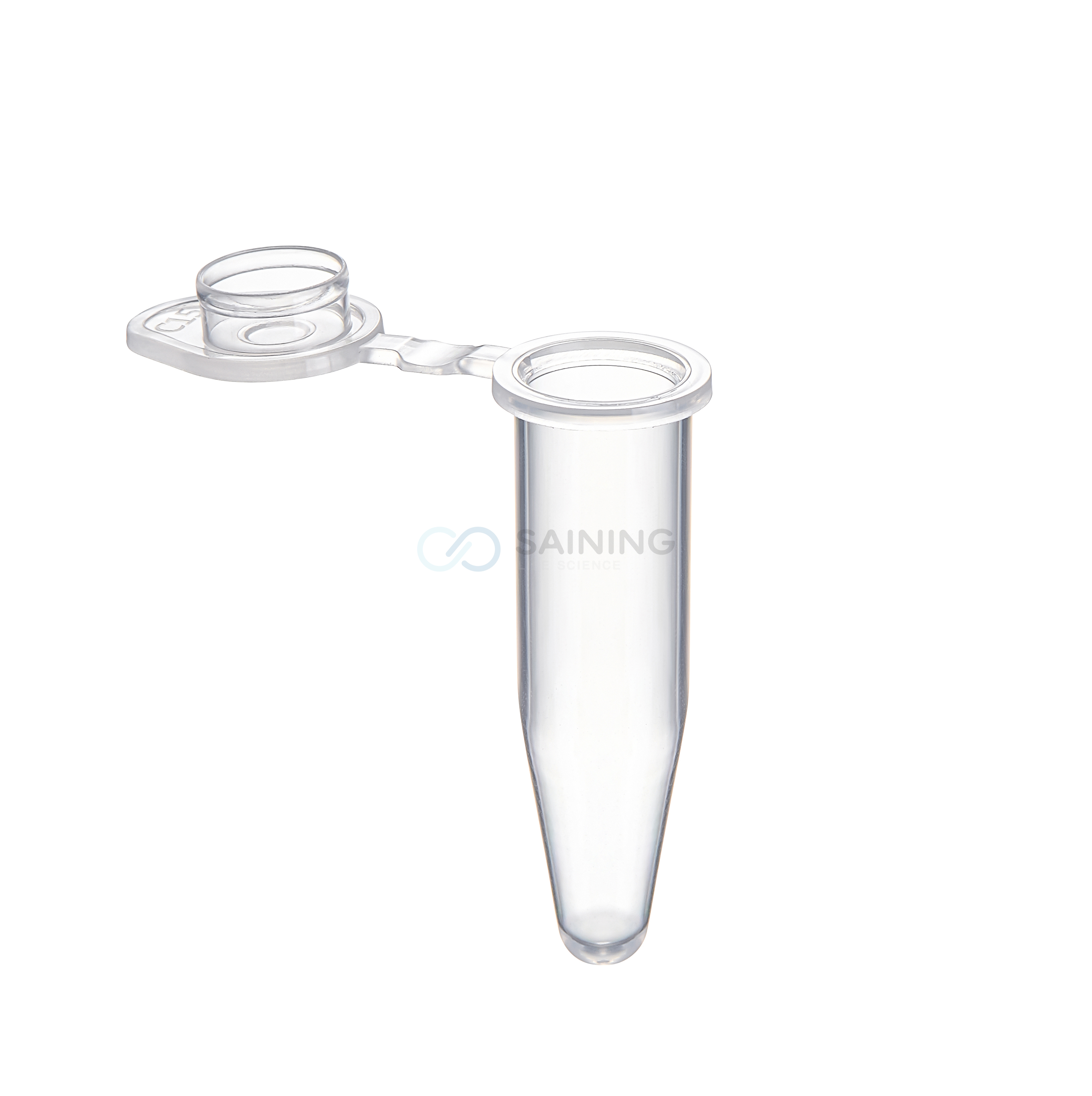
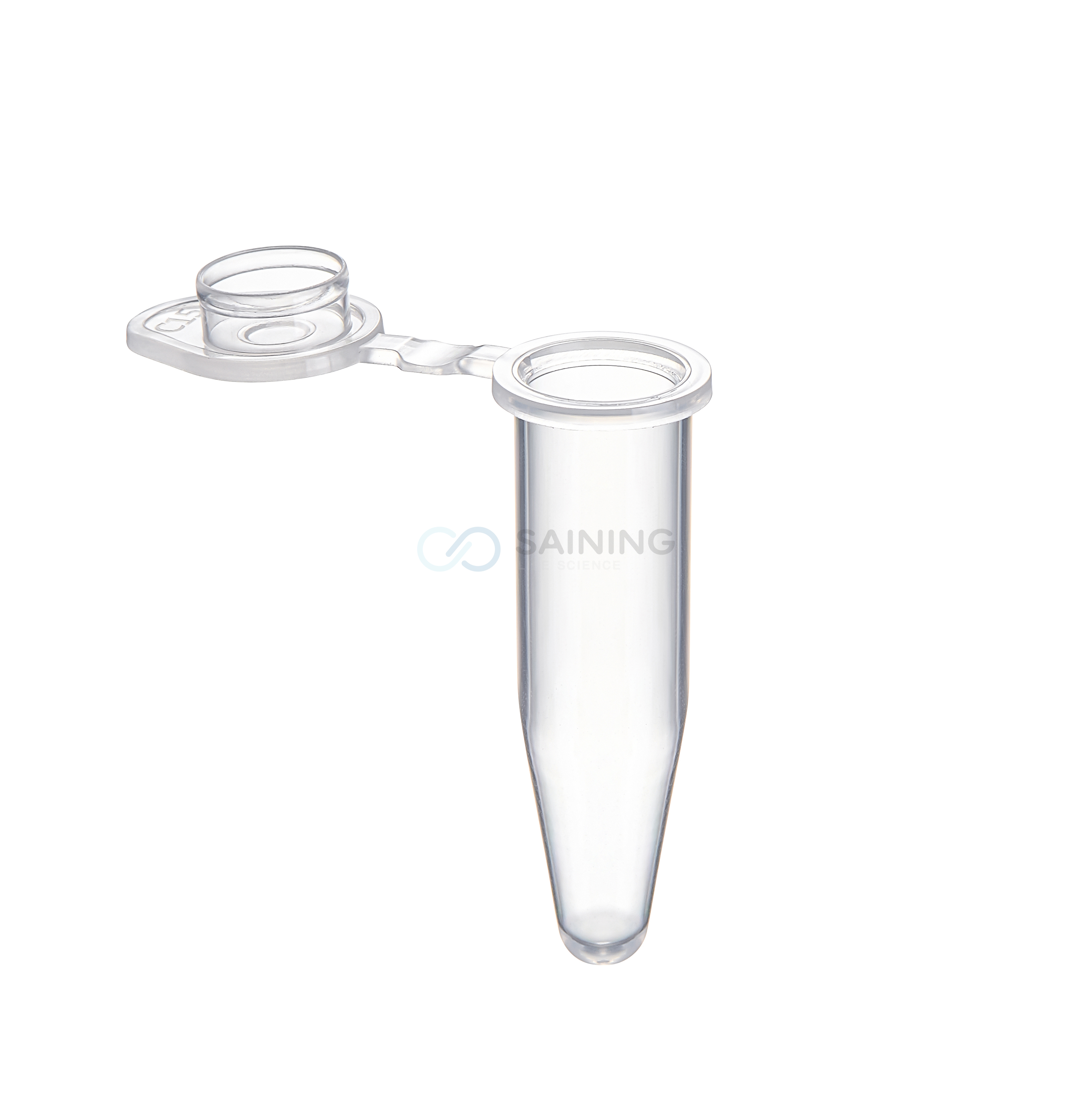
PCR tubes are small-volume reaction vessels designed for use in polymerase chain reaction (PCR) workflows. Their primary role is to provide a safe, stable environment for nucleic acid amplification under precise thermal cycling conditions. When designing or selecting PCR tubes, several considerations are essential:
- Material Quality and Thermal Stability — PCR tubes must be made from materials that can withstand rapid temperature cycles, often ranging from ~4 °C to 98–100 °C. The tube material must resist deformation or leaching at high temperatures, ensuring the integrity of the reaction and the safety of samples.
- Seal Integrity for Contamination Control — A tight cap or sealing film is crucial. Poor sealing may prominent to sample evaporation, aerosol contamination, or even cross-contamination between wells. Proper sealing reduces the risk of compromised results, which is especially important in diagnostic or research settings.
- Compatibility with Instrumentation — Tubes must fit standard thermal cyclers and often be compatible with both individual tube blocks and 96‑well PCR block adapters. Uniform size and precise molding ensure consistent heat transfer and reaction reproducibility across runs.
PCR tubes are therefore a foundational component in molecular biology, enabling DNA amplification, detection of pathogens or genetic markers, and a wide range of downstream applications.
Microcentrifuge Tube: Versatile Workhorse for Sample Handling
Microcentrifuge tubes are among the more versatile consumables in laboratories. Unlike PCR tubes designed primarily for thermal cycling, microcentrifuge tubes serve a broad range of sample handling tasks. Typical uses include centrifugation, sample storage, mixing, and preparation for downstream assays. Key aspects include:
- Structural Strength and Chemical Resistance — When subjected to high-speed centrifugation, microcentrifuge tubes must maintain structural integrity to prevent breakage or leakage. Materials often must resist common reagents (buffers, salts, enzymes, organic solvents) without cracking or degrading.
- Volume Flexibility — Standard microcentrifuge tubes range from 0.5 mL to 2.0 mL (or more), allowing flexibility in sample volumes. This makes them suitable for a large variety of tasks: nucleic acid purification, sample aliquoting, protein extraction, and storage.
- Ease of Labeling and Handling — Clear or semi-transparent tubes help users visually inspect contents, while flat surfaces or frosted zones facilitate labeling. Caps (snap-cap or screw-cap) enable secure closure, minimizing risk of spills or contamination during centrifugation or storage.
- Storage and Transport Applications — Many labs use microcentrifuge tubes for temporary or long-term storage of biological samples. Their durability, compact size, and ease of sealing make them practical for freezing, shipping, or archiving specimens, reagents, or small volumes of purified biomolecules.
Because of their versatility, microcentrifuge tubes are often viewed as a basic “workhorse” consumable — indispensable across research, diagnostics, molecular biology, biochemistry, and clinical labs.
Sterile PCR Tube: Essential for Sensitive and Clinical Applications
Sterile PCR tubes combine the design of PCR tubes with stringent sterilization standards, making them suitable for applications demanding sterility or small contamination. These are especially relevant in diagnostic labs, clinical samples processing, pathogen detection, or sensitive research assays. Important factors include:
- Sterilization Method and Packaging — Sterile PCR tubes are typically sterilized using gamma‑irradiation or ethylene oxide, and individually packaged or batch‑sealed under clean conditions. This reduces the likelihood of introducing foreign nucleic acids, endotoxins, or microbial contaminants that could interfere with PCR results.
- Low Nucleic Acid Binding — Some sterile tubes are manufactured from materials or with surface treatments that have less absorption of DNA/RNA. This helps preserve sample yield and reduces bias, particularly when dealing with low-concentration nucleic acids or precious templates.
- Aseptic Handling Workflow Compatibility — Sterile PCR tubes support workflows where sample purity is critical: clinical diagnostics, pathogen detection, environmental DNA (eDNA) analysis, forensic assays, and other molecular applications where contamination must be rigorously avoided.
- Traceability and Regulatory Compliance — For laboratories subject to regulatory oversight or quality control (e.g. clinical labs, biobanks), using sterile consumables assists in maintaining documentation and quality assurance. Sterile PCR tubes help meet standards for sample integrity, reproducibility, and safety.
By offering both thermal‑cycling suitability and sterility, sterile PCR tubes play a key role in bridging basic molecular biology and regulated clinical or diagnostic workflows.
Key Differences and Use‑Case Guidance: PCR Tube vs Microcentrifuge Tube vs Sterile PCR Tube
Given the overlapping but distinct applications of these consumables, choosing the right tube type matters:
- Use PCR Tube when performing standard PCR or qPCR with purified DNA/RNA templates under controlled lab conditions where sterility is not critical.
- Use Microcentrifuge Tube for sample preparation steps: nucleic acid extraction, centrifugation, aliquoting, storage, mixing, or when handling larger volumes.
- Use Sterile PCR Tube when working with clinical/diagnostic samples, environmental samples, low-copy-number targets, or any situation demanding small contamination and high reproducibility.
This differentiation helps laboratories maintain workflow efficiency, sample integrity, and result reliability.
Ideal Practices for Laboratory Implementation and Quality Control
To ensure reliable results and consistency when using these tubes in molecular biology workflows, consider the following guidelines:
- Match tube type to application — Don't assume one tube fits all: choose based on required volume, thermal stress, sterility, and downstream use.
- Verify tube compatibility with instruments — Thermal cyclers, centrifuges, freezers all have dimensional and material constraints. Confirm tubes fit well in racks, rotors, or adapters.
- Inspect sealing and integrity before use — Even a slight crack or weak cap can prominent to sample evaporation, contamination, or leakage, compromising the entire experiment.
- Implement sterile‑handling protocols when needed — For sensitive assays, handle sterile tubes under a biosafety hood or clean bench; avoid touching inner surfaces; use sterile gloves and tools.
- Label and store properly — Use appropriate marking, avoid overfilling, and store at recommended temperatures to maintain sample viability or reagent stability.

