



 中文简体
中文简体 English
Wholesale Pipette Tip
Liquid handling consumables are meticulously designed and pay attention to details. These reliable, durable, and easy-to-use products help scientists around the world enhance their research effectiveness.
We provide a range of liquid handling consumables that are compatible with various liquid handling systems in the life sciences field. These include pipette tips, serum pipettes, Pasteur pipettes, and reagent reservoirs, among others, to meet the high-precision and convenient liquid transfer needs of researchers in their daily experiments.


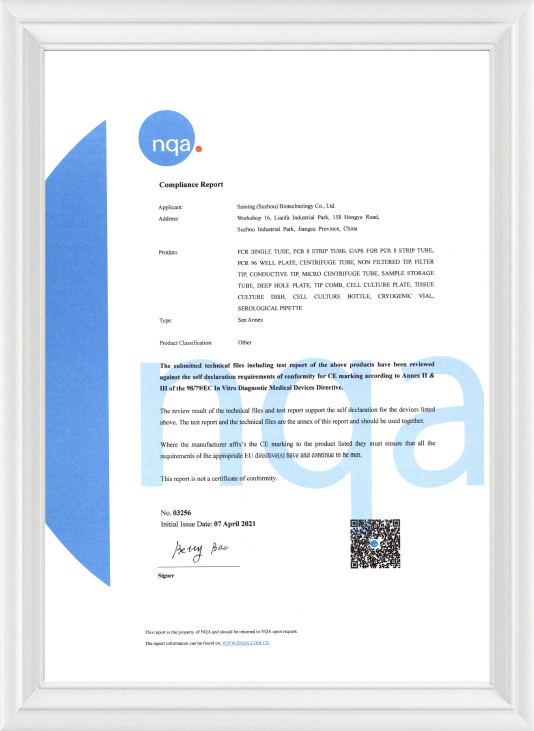
Since its establishment, the company has developed rapidly and now has a 100,000-level purification workshop of 15,000 square meters, a factory area of 30,000 square meters, a Suzhou technology research and development center, a Suzhou production base and a Taizhou production base. The main products include cell culture, biological detection liquid processing, medical equipment, safety protection, etc., which can be widely used in testing institutions (IVD), biological research, medical treatment, new drug research and development, laboratory scientific research and other fields. The product has performance and high quality. After testing by third-party testing agencies and relevant scientific research units, it has the ability to replace high-quality imported products.




-
What’s one small thing that can completely derail your experiment? Blocking out that empty space on your micropipette — ...

-
Accurate liquid handling isn’t just about steady hands — it’s also about choosing and using correct accessories, includi...
Pipette Consumables Industry Knowledge
Pipette Consumables: An Overview of Their Role in Laboratory Work
Pipette consumables are a foundational category of lab supplies that support accurate, efficient, and safe liquid handling. In many workflows—whether in in vitro diagnostics (IVD), biological research, medical lab testing, or new‑drug development—pipette consumables provide the interface between researchers and reagents or biological samples. The reliability of downstream results often hinges on the quality and consistency of consumables such as pipette tips and serological pipettes. Using appropriate consumables reduces risks of cross‑contamination, ensures precise volume transfer, and supports reproducibility across experiments.
Because pipette consumables come in many forms and sizes, laboratories must select items that match their pipettors, the viscosity of the fluid, and the experimental needs. In addition, for workflows involving diagnostics or sensitive biological assays, pipette consumables may need to meet sterility, DNase/RNase‑free, and endotoxin‑free standards to avoid interfering with downstream analyses.
Logical cataloging and classification of pipette consumables on a manufacturing or distribution website is also useful: it helps customers understand which items they need, reduces ordering errors, and supports traceability in regulated lab environments.
Pipette Tip: Precision, Compatibility, and Contamination Control
The Function of a Pipette Tip
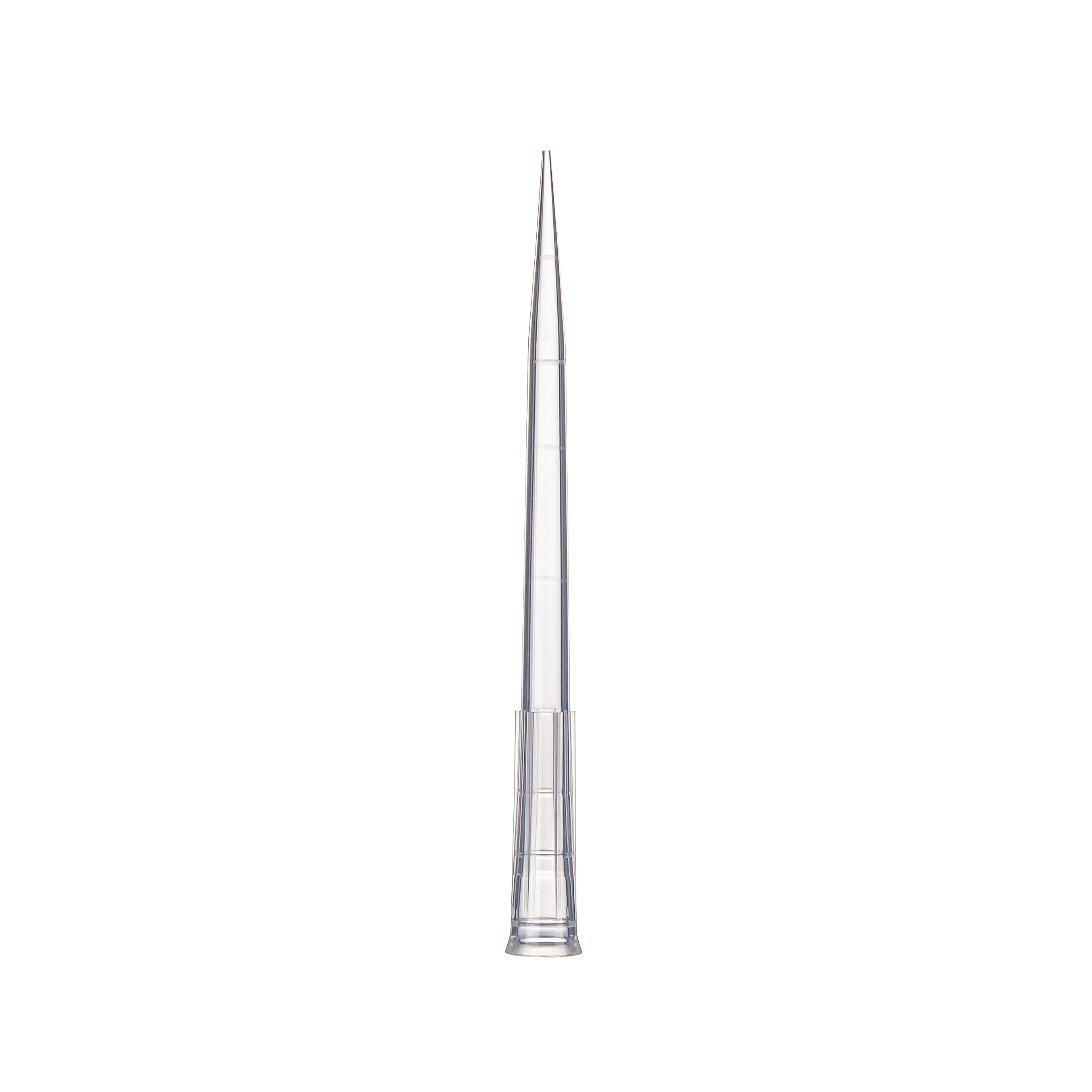
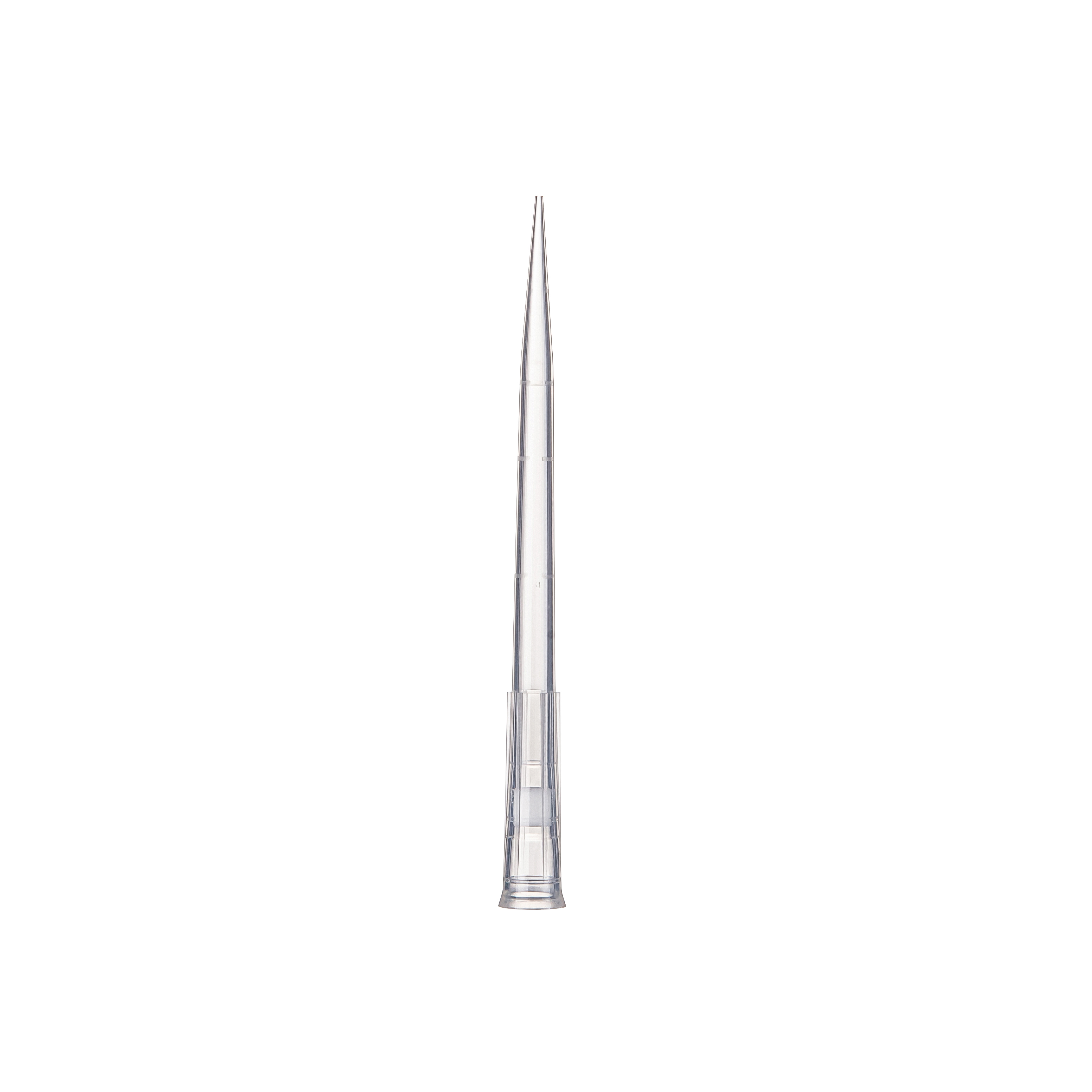
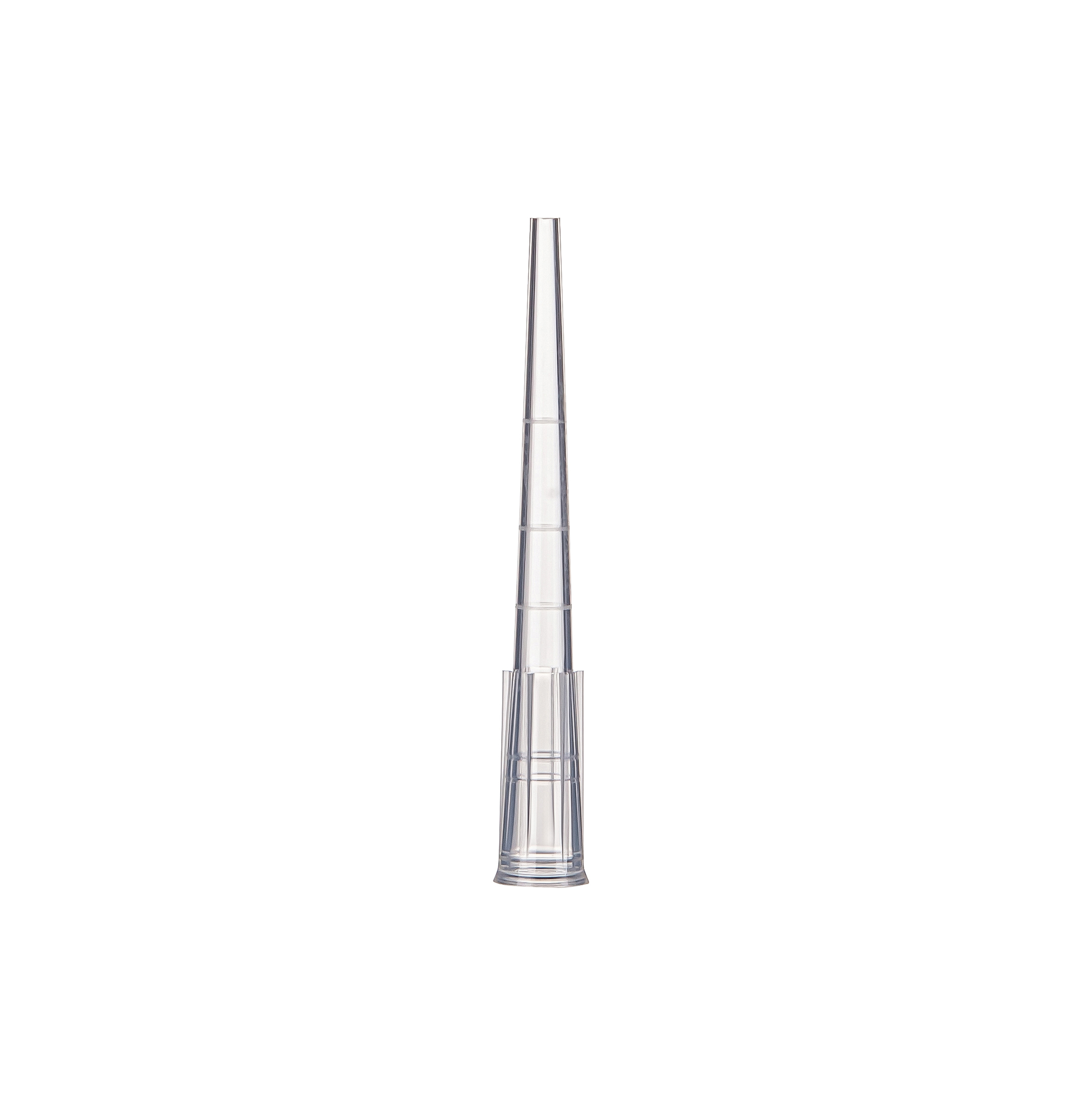
A pipette tip is the disposable element mounted on a pipettor that draws up liquid and dispenses it. Because the tip directly contacts the liquid sample or reagent, its material, manufacturing quality, and design play crucial roles. A well‑designed pipette tip ensures accurate aspiration and dispensing volumes, smooth liquid flow, and small residual volume after dispensing.
In practice, pipette tips are used for handling a wide range of liquids—from aqueous buffers to viscous solutions, from cell suspensions to reagents for molecular assays. Some tips are calibrated for precise microliter-level volumes; others are designed for larger volumes. Designing a tip involves considerations around material (often polypropylene), shape (standard, filter, wide-bore, low‑retention), and whether to include features such as aerosol filters to reduce contamination risks.
Compatibility and Standardization
One of the challenges for laboratories is ensuring that pipette tips match the pipettors they use. Given the diversity of pipettor brands and models, a manufacturer offering pipette tips must provide tips with dimensional and tolerance specifications that fit reliably with many pipettors. This compatibility reduces leakage, inaccurate volume transfers, and tip drop‑off errors.
Moreover, standardization of tip volumes and batch-to-batch consistency are important. For labs working under regulated workflows—clinical diagnostics, QA/QC, or drug development—notes on manufacturing lot, sterilization method, and QC records reassure end users about reproducibility and traceability.
Contamination Risk and Safe Handling
Because pipette tips often contact biological samples—cells, nucleic acids, proteins, bodily fluids—contamination control is critical. Disposable pipette tips allow single‑use handling, which greatly lowers risk of cross‑sample contamination. For sensitive applications such as nucleic‑acid purification, PCR, or immunoassays, tips may come as sterile, DNase/RNase‑free, and potentially certified as free from pyrogens or endotoxins.
Some tips also include filters (filter tips) to prevent aerosol formation and back‑contamination into the pipettor, especially when working with pathogens or other hazardous materials.
Serological Pipette: Bulk Liquid Handling with Versatility
What Is a Serological Pipette
A serological pipette is a graduated pipette, often made of plastic or glass, used to transfer larger volumes of liquid—commonly in the range from 1 mL up to 50 mL. Unlike micropipette tips, serological pipettes are used for bulk liquid transfer tasks, such as preparing growth media, dilutions, reagent mixing, or cell culture.
They are common in biological labs, microbiology labs, cell culture facilities, and IVD sample preparation areas. Because they offer volume graduations, users can measure approximate volumes directly during aspiration or dispensing—a useful property when preparing reagents or solutions at scale.
Material and Sterility Considerations
Modern serological pipettes are often manufactured from medical‑grade plastics and may come sterile or non‑sterile. In contexts such as sterile cell culture, sterile reagent prep, or diagnostic sample handling, sterile serological pipettes help maintain aseptic conditions and reduce contamination risks.
Manufacturers of serological pipettes should ensure consistent wall thickness, accurate volume graduations, and leak‑free performance when connected to pipette aids or controllers. For safety and convenience, pipettes may be individually wrapped or come in sterile packs.
When to Use Serological Pipette vs. Pipette Tip
The choice between serological pipette and pipette tip depends mainly on volume scale and workflow requirements:
- For small-volume, precision applications (microliters), especially for assays, molecular tests, or sensitive reagent mixing → use pipette + pipette tip.
- For large-volume, bulk tasks such as media preparation, dilutions, bulk reagent mixing → use serological pipette.
Understanding when to use each helps labs maintain efficiency, avoid waste (e.g. avoid using many pipette tips for a 30 mL media transfer), and protect sample integrity.
Quality Attributes and Regulatory Relevance
For labs operating in IVD, clinical diagnostics, drug research or regulated environments, pipette consumables (including pipette tips and serological pipettes) must often meet defined quality criteria. Key attributes include:
- Sterility (if used for cell culture or diagnostic sample handling)
- Low binding / low adsorption surfaces (especially for protein, nucleic‑acid assays)
- Consistent and accurate volume graduations (for serological pipettes)
- Compatibility with pipettors or pipette aids
- small residual volume after dispensing (for tips)
- DNase/RNase‑free, endotoxin‑free properties (for molecular biology workflows)
- Packaging and traceability (lot numbers, sterilization records)
Meeting these requirements helps labs ensure reproducibility, avoid assay interference, and comply with regulatory or audit requirements.
Significance for IVD, Biological Research, and Clinical Workflows
Pipette consumables play a behind‑the‑scenes but essential role in many workflows:
- In IVD labs, accurate pipetting ensures reliable diagnostics results. Using appropriate pipette tips reduces risk of cross‑contamination between samples.
- In biological research or new‑drug development, reproducible sample preparation, reagent mixing, cell culture handling all depend on suitable consumables.
- In cell‑based assays or cell culture, sterility and compatibility matter to maintain cell viability and experimental integrity.
- In molecular biology, low binding and contamination‑free consumables help ensure sensitivity and reliability of assays such as PCR, ELISA, sequencing workflows.
Thus, having a robust catalogue of pipette consumables—including pipette tips of different kinds, serological pipettes for bulk work—is a foundational offering for a manufacturer or supplier targeting labs, clinics, or research institutions.

