



 中文简体
中文简体 English
High Quality Cell Culture Plate(96 Well)

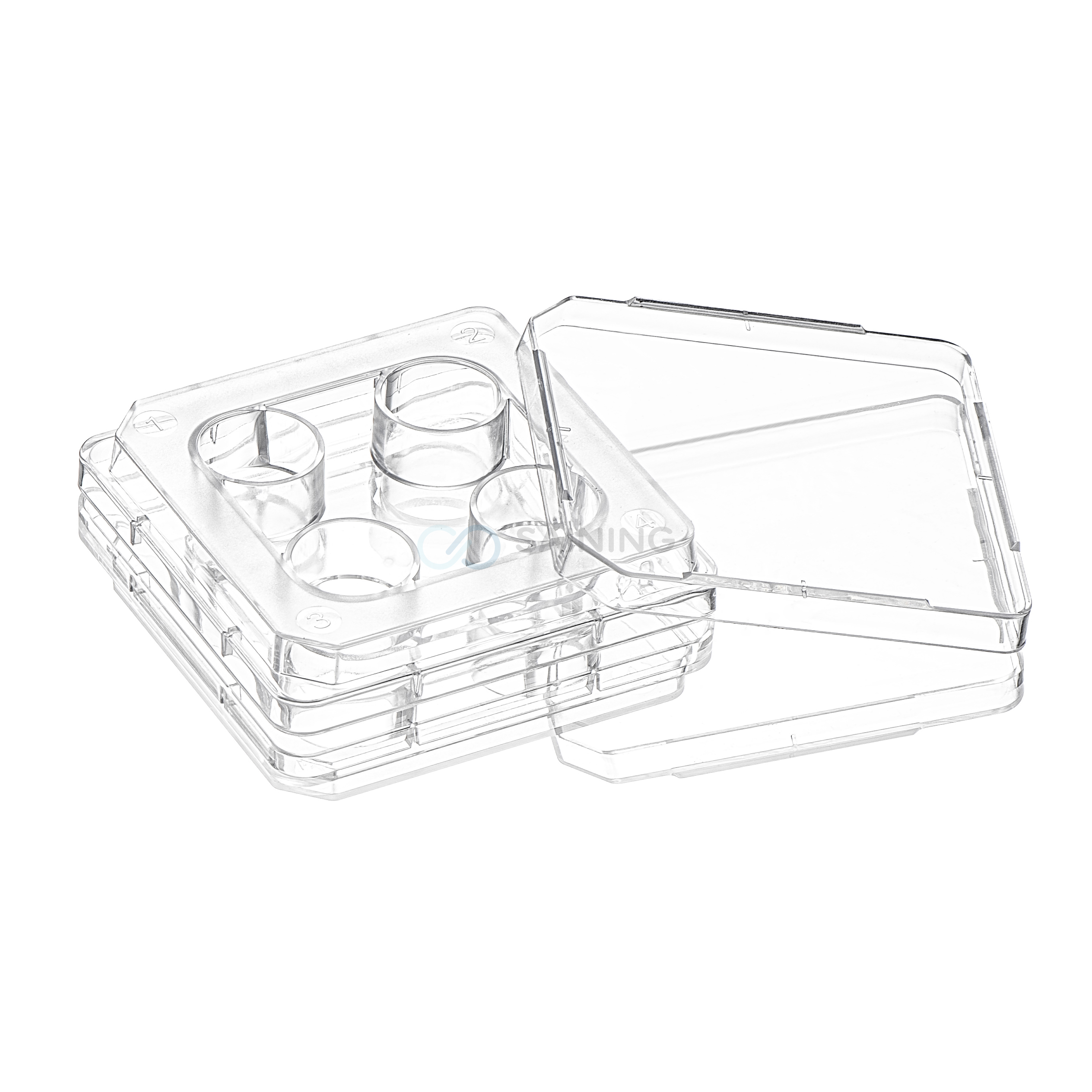
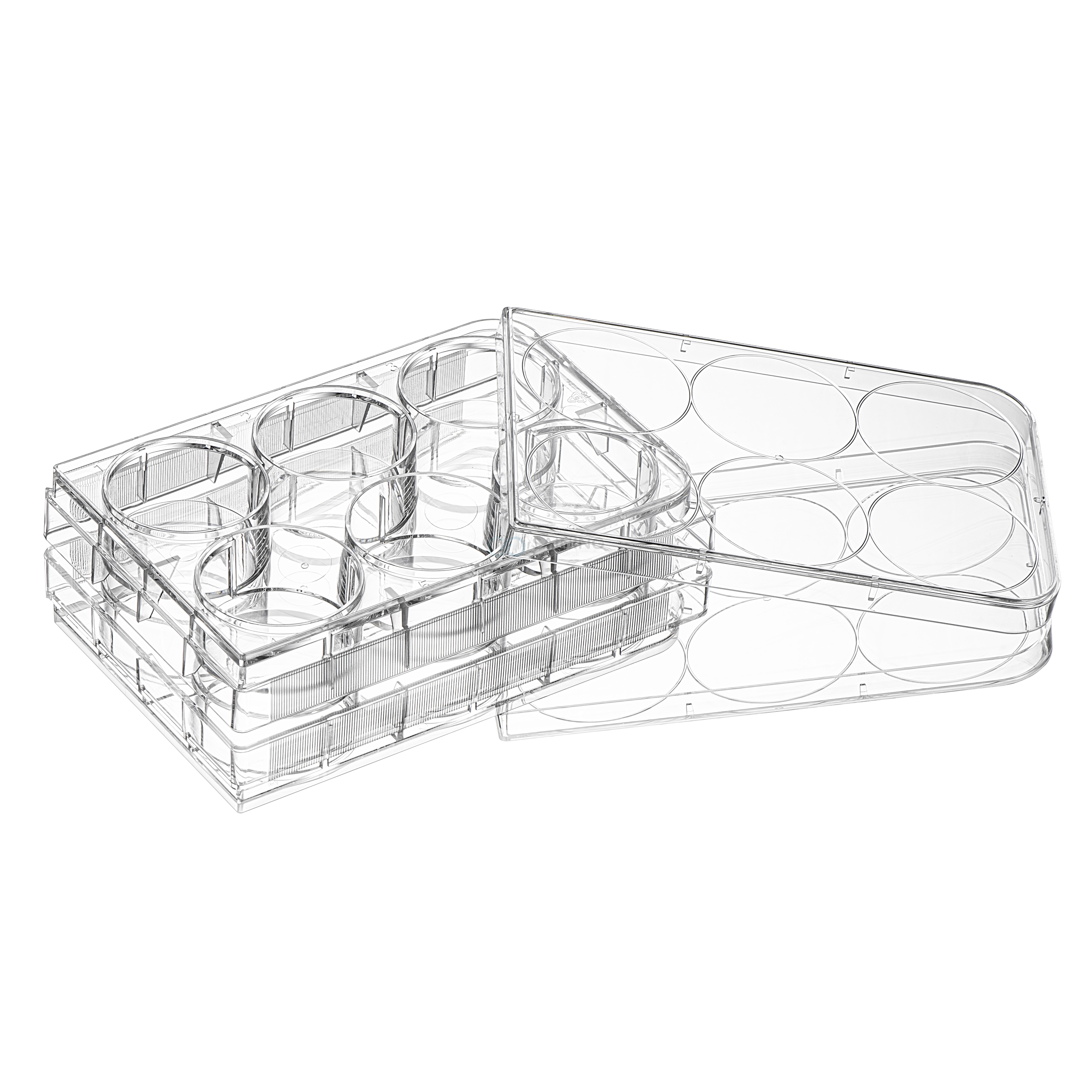
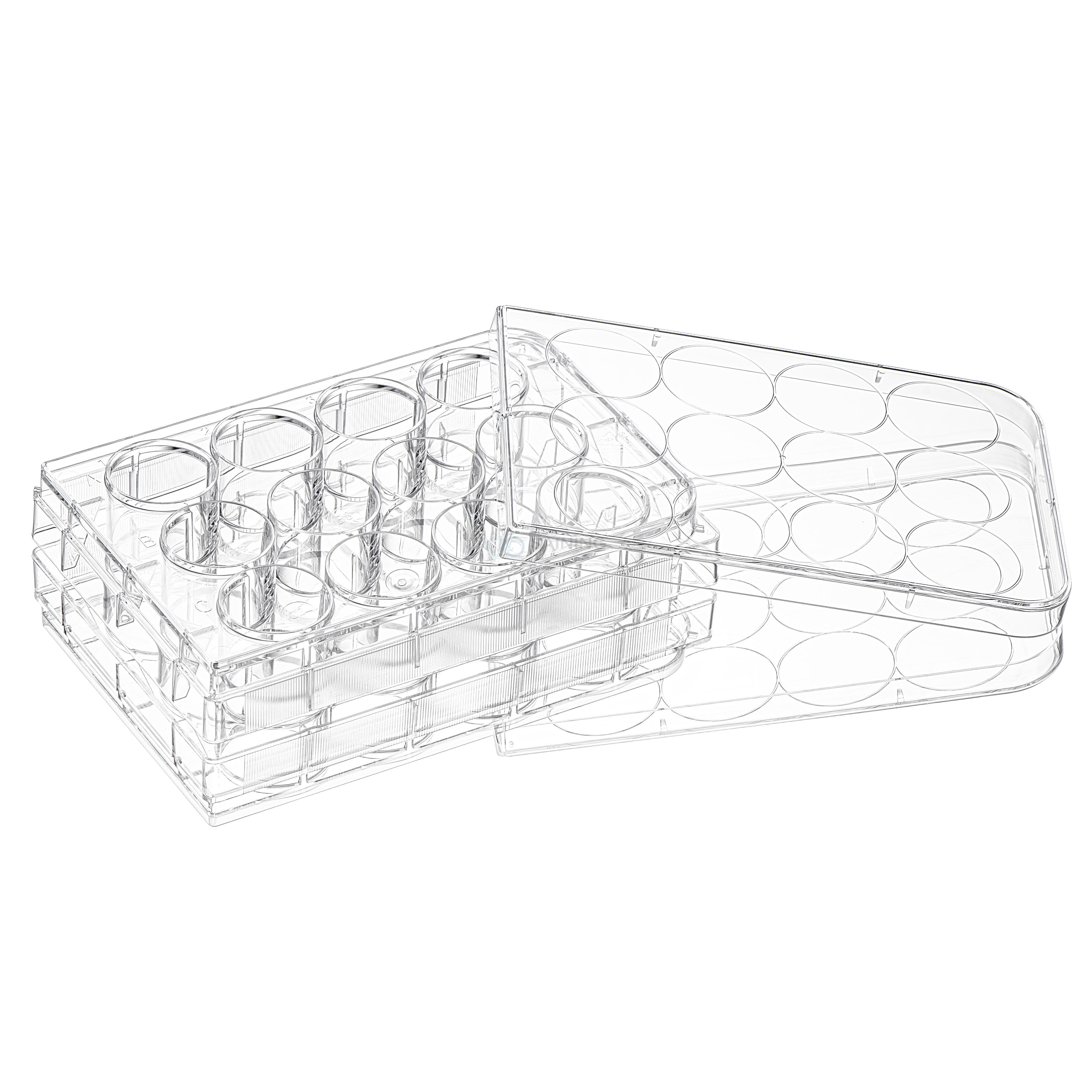
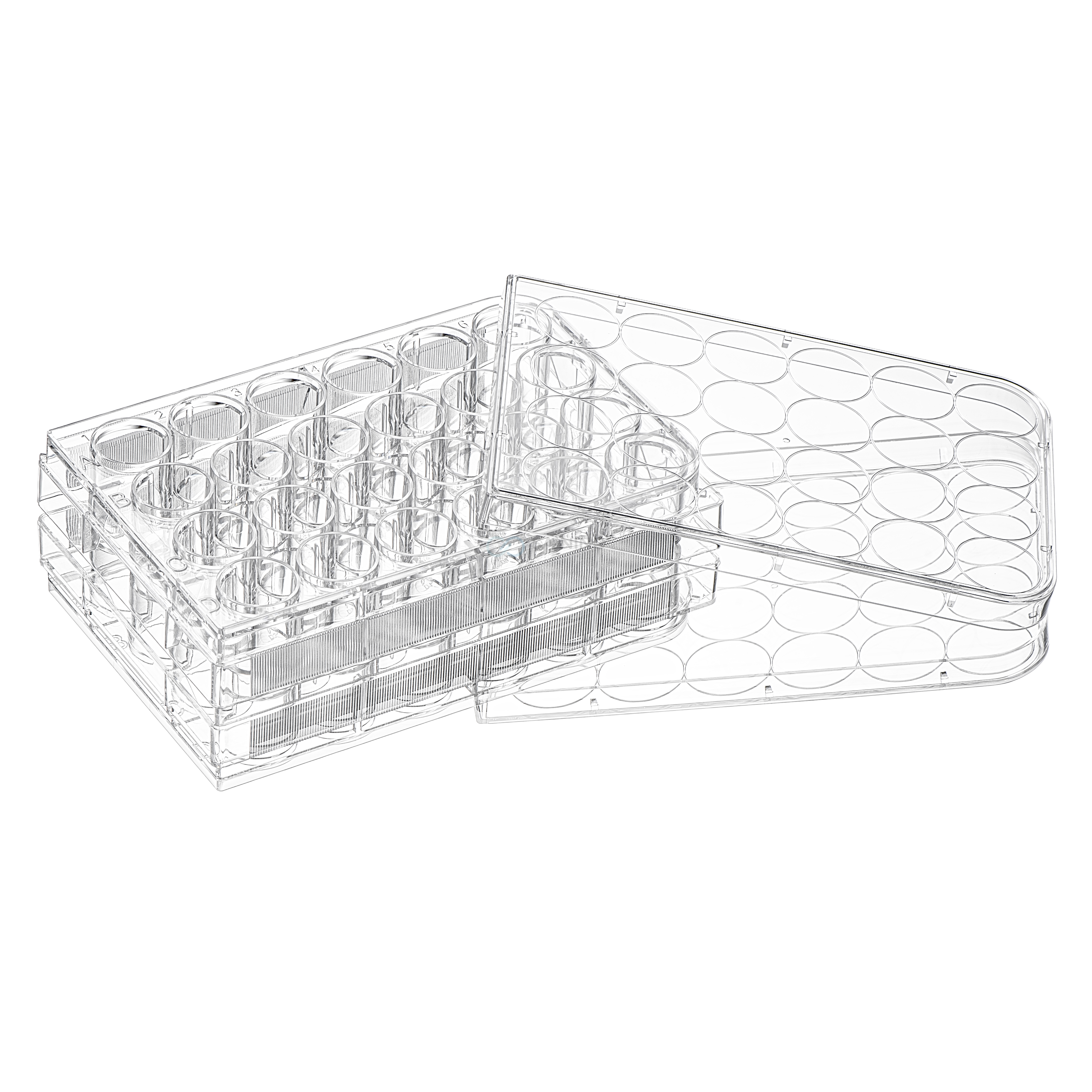
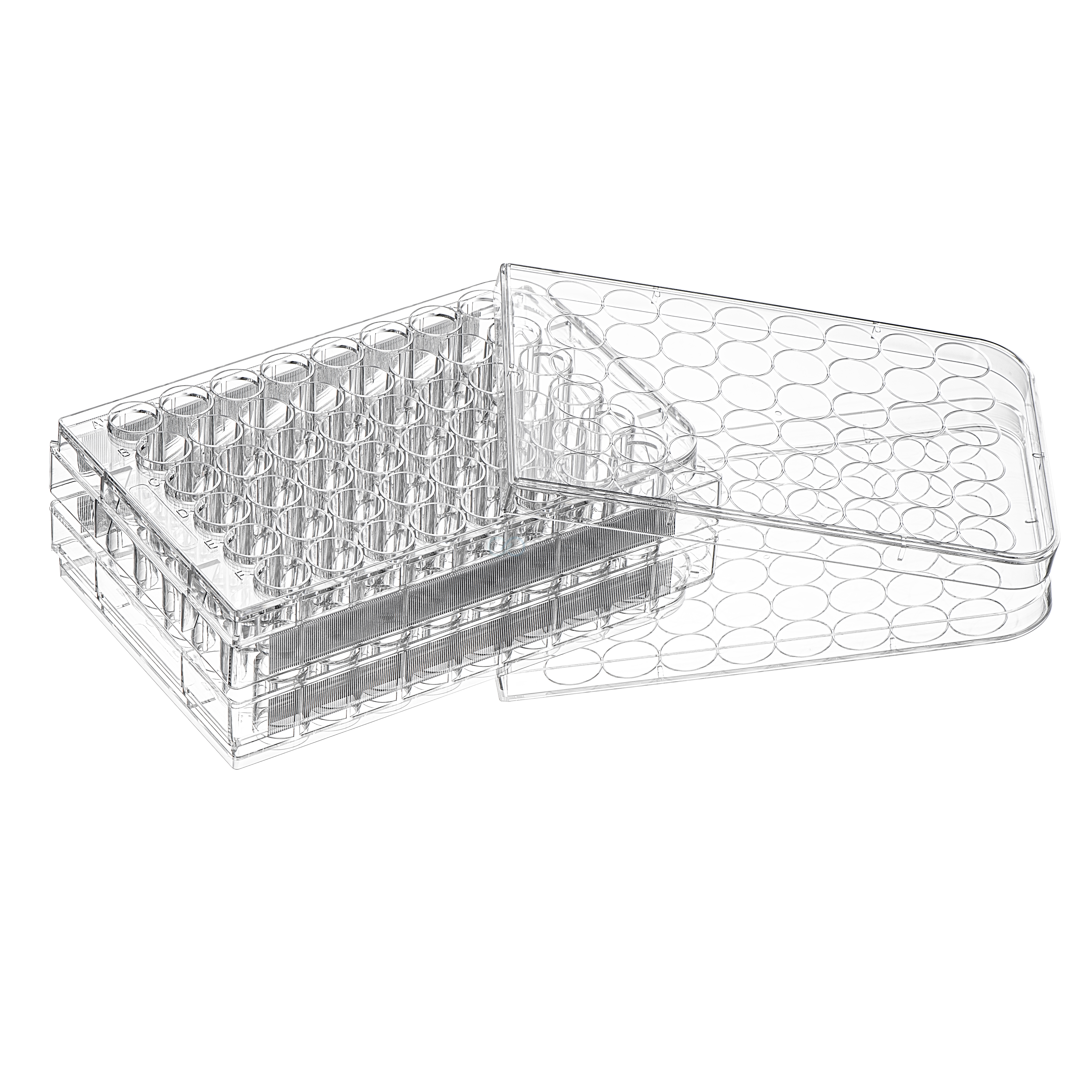
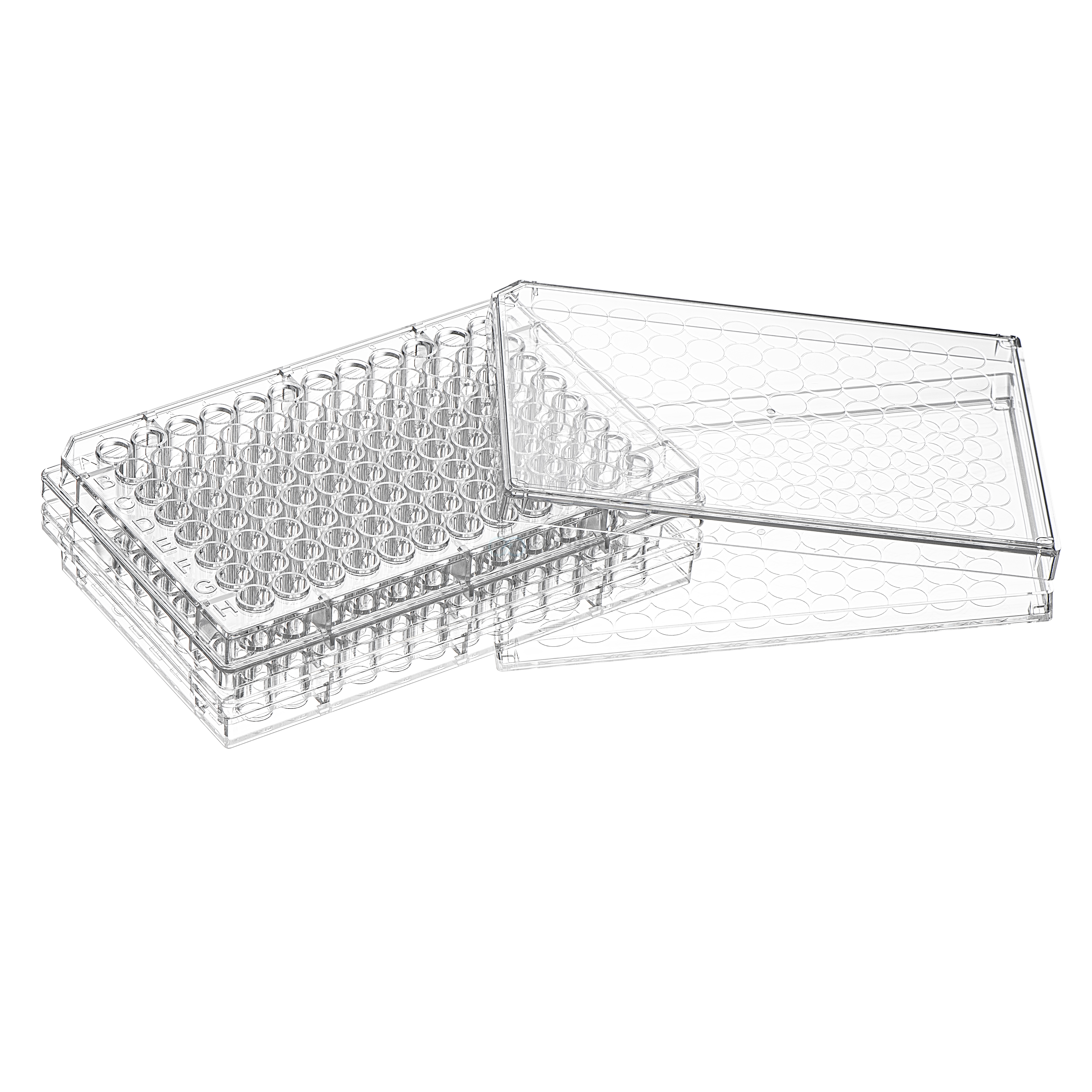

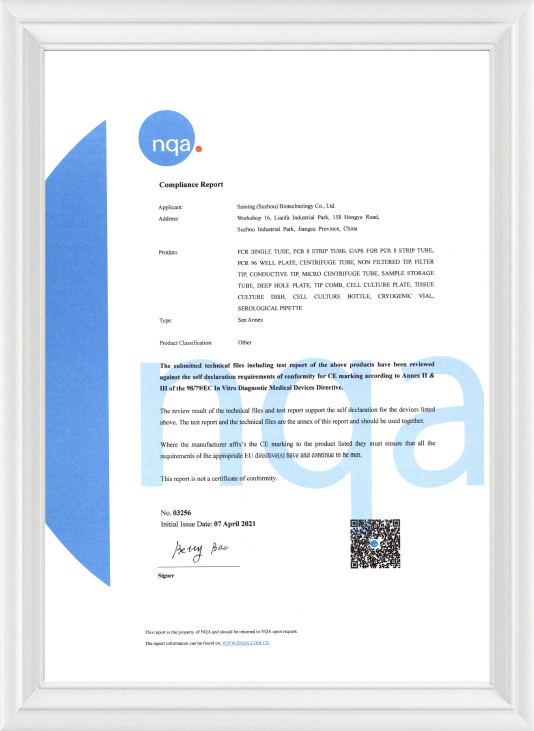
Since its establishment, the company has developed rapidly and now has a 100,000-level purification workshop of 15,000 square meters, a factory area of 30,000 square meters, a Suzhou technology research and development center, a Suzhou production base and a Taizhou production base. The main products include cell culture, biological detection liquid processing, medical equipment, safety protection, etc., which can be widely used in testing institutions (IVD), biological research, medical treatment, new drug research and development, laboratory scientific research and other fields. The product has performance and high quality. After testing by third-party testing agencies and relevant scientific research units, it has the ability to replace high-quality imported products.


-
Sterile Disposable Loops are single-use laboratory consumables used to transfer small amounts of microorganisms between ...

-
A Cells craper is a laboratory tool used to detach adherent cells from the surfaces of culture dishes, flasks, and plate...
Cell Culture Plate Industry Knowledge
Cell Culture Plate: Definition and Typical Uses
A Cell Culture Plate is a flat, shallow, multi‑well or single‑well vessel designed to support the growth and maintenance of cells under controlled in vitro conditions. These plates provide a stable surface for cells to adhere — or, in the case of certain suspension cell types, to remain suspended — while allowing precise control over environmental parameters such as temperature, pH, gas exchange, and nutrient supply. Researchers frequently use such plates for basic cell maintenance, proliferation assays, drug screening, toxicity testing, transfection experiments, and differentiation studies. In cell biology, tissue engineering, and drug discovery pipelines, a reliable cell culture plate serves as the foundational tool for reproducible and scalable experiments.
Because the design is standardized, a cell culture plate enables easy handling, consistent well volumes, and compatibility with automated liquid‑handling systems, microscopes, high‑throughput screening equipment, and plate readers.
Cell Culture Plate (96 Well): Versatility and Laboratory Workflow Integration
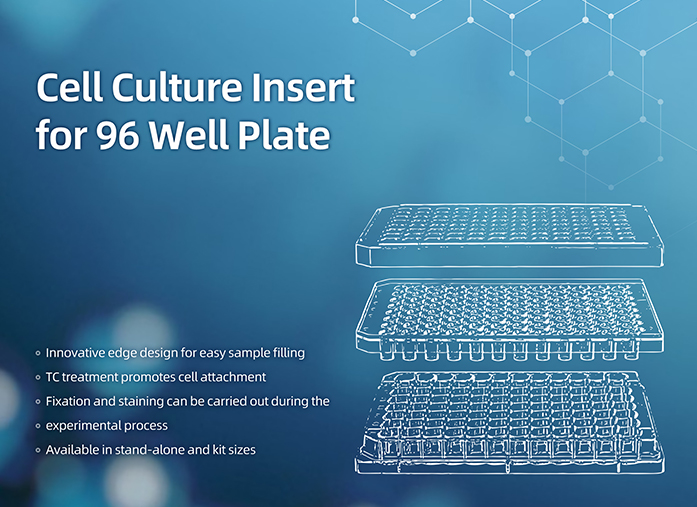
The Cell Culture Plate (96 Well) is a specific format of a cell culture plate featuring 96 separate wells, typically arranged in an 8 × 12 matrix. Each well holds a small, precise volume of liquid medium or reagents, offering a compact, efficient way to run multiple experiments or replicates in parallel. This well‑plate format is widely adopted for high‑throughput assays in biotechnology, pharmaceutical research, in vitro diagnostics (IVD), and academic laboratories.
Because each well can be treated independently, researchers can test a range of conditions — such as different drug concentrations, gene knockdown or overexpression, or varied treatment times — in a single plate. The 96‑well format conserves reagents and cells compared with larger wells, reduces waste, and speeds up data collection. It also lends itself well to automation: multi‑channel pipettes or robotic dispensers can fill or sample wells quickly, microscopy or plate readers can scan the entire plate for absorbance, fluorescence, or luminescence signals, and data can be systematically organized.
For laboratories developing diagnostic assays, the 96‑well plate plays a central role in standardizing protocols, minimizing variation between runs, and enabling scaling from research to pilot‑level throughput.
Tissue Culture Plate (TCP): Surface Treatment and Cell Adhesion Properties
A Tissue Culture Plate (TCP) refers to a cell culture plate whose internal surfaces have undergone specific treatment — typically through plasma, corona discharge, or similar surface‑modification methods — to render the plastic surface more hydrophilic and to enhance cell attachment. Without such treatment, many cell types, especially adherent mammalian cells, may not adhere efficiently or spread properly, which can affect cell viability, morphology, and function.
Using TCP ensures that cellular assays involving adhesion, proliferation, differentiation, or morphological assessments yield more consistent and biologically relevant results. For example, when growing primary cells or stem cells, or when performing immunocytochemistry, microscopy, or transfection assays, a TCP surface improves cell spreading and uniform distribution across wells.
Because surface treatment can influence surface charge, protein adsorption, and hydrophilicity, it's important that users select TCP when adhesion-dependent cell types or sensitive biological assays are involved.
Considerations for Selecting Cell Culture Plates (Plate Type, Format, and Surface)
When selecting between different types of plates — be it a general Cell Culture Plate, a 96‑well format plate, or a Tissue Culture Plate (TCP) — several factors should be evaluated:
- Cell type and adhesion requirements: Suspension cells may grow fine in untreated plates, but adherent cells typically need a treated TCP surface for stable attachment.
- Assay scale and throughput: If tests involve many conditions or replicates, a 96‑well format offers efficiency. For larger-scale cultures — such as protein production or cell expansion — larger well formats may be preferable.
- Instrument compatibility: Assays using plate readers, automated pipetting, or high-throughput screening workflows favor standardized plate formats like 96‑well. For microscopy‑based endpoint assays or transfection, surface treatment and plate transparency are important.
- Volume requirements and reagent conservation: 96‑well plates use smaller volumes, helping reduce costs and reagent use. For larger volume needs, fewer‑well or single‑well plates may be more suitable.
- Sterility and manufacturing quality: Plates should be manufactured under clean, controlled conditions; sterile packaging is critical especially for sensitive cell culture applications, clinical research, or preparation for IVD workflows.
Role in IVD, Bioresearch, and Medical Application Workflows
In the context of in vitro diagnostics (IVD), new drug research, biological investigation, and medical R&D, Cell Culture Plates — especially 96‑well plates and TCPs — frequently appear in workflows such as:
- Drug screening and cytotoxicity assays: Testing candidate compounds on cell viability, proliferation, apoptosis, or metabolic readouts.
- Assay development and standardization: Establishing reproducible protocols that can be transferred from research labs to production or clinical labs. The well-defined geometry and surface properties of plates help less batch-to-batch variation.
- Cell‑based functional assays: For example, receptor binding, signal transduction, viral infection, transfection, or reporter assays that rely on adherent cells.
- Diagnostic method development: For example, tissue/cell‑based diagnostics, biomarker discovery, or immunocytochemistry assays using primary or immortalized cell lines.
- Scale-up and pilot production: When many parallel cultures or replicates are needed for screening, toxicity testing, or gene expression studies.
For medical‑use or regulatory‑aligned labs, consistent quality and traceability of cell culture plates also supports compliance with good laboratory practices and reproducibility demands.
Why Reliable Plate Quality Matters — for Reproducibility and Data Integrity
A high‑quality cell culture plate matters because small variations — in surface finish, sterility, well geometry, material clarity, or manufacturing consistency — can prominent to significant differences in cell behavior, assay sensitivity, or data readouts. Poor surface treatment may prominent to uneven cell attachment; inconsistent well volumes may yield variation in reagent concentration; non‑sterile packaging may introduce contamination.
Therefore, when manufacturing or choosing cell culture plates, attention to raw material quality, molding precision, surface treatment consistency, sterile packaging, and lot‑to‑lot reproducibility is critical. For companies providing plates to IVD developers, research labs, and medical institutions, meeting these quality standards underpins trust, reproducibility, and regulatory acceptable practices.

