



 中文简体
中文简体 English
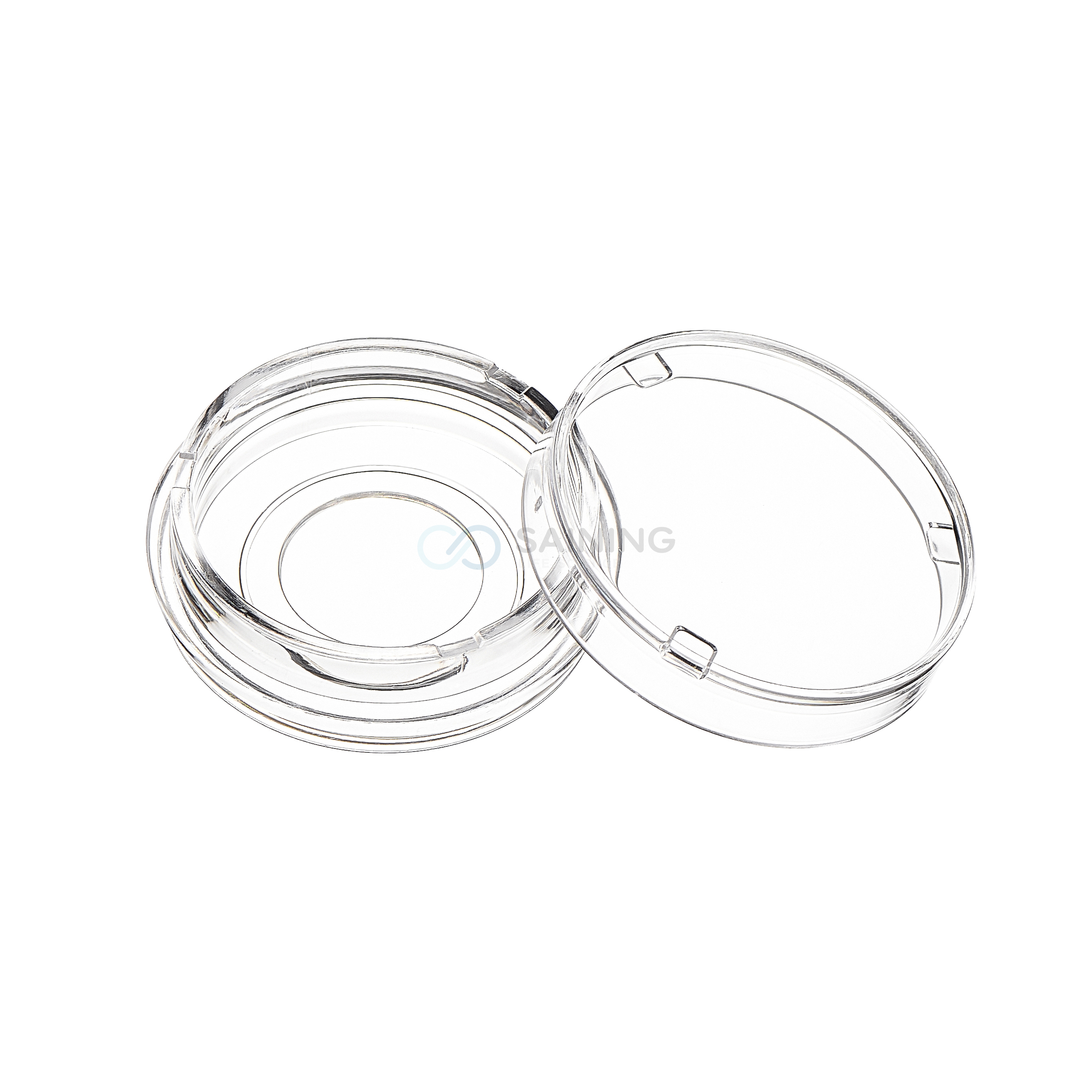
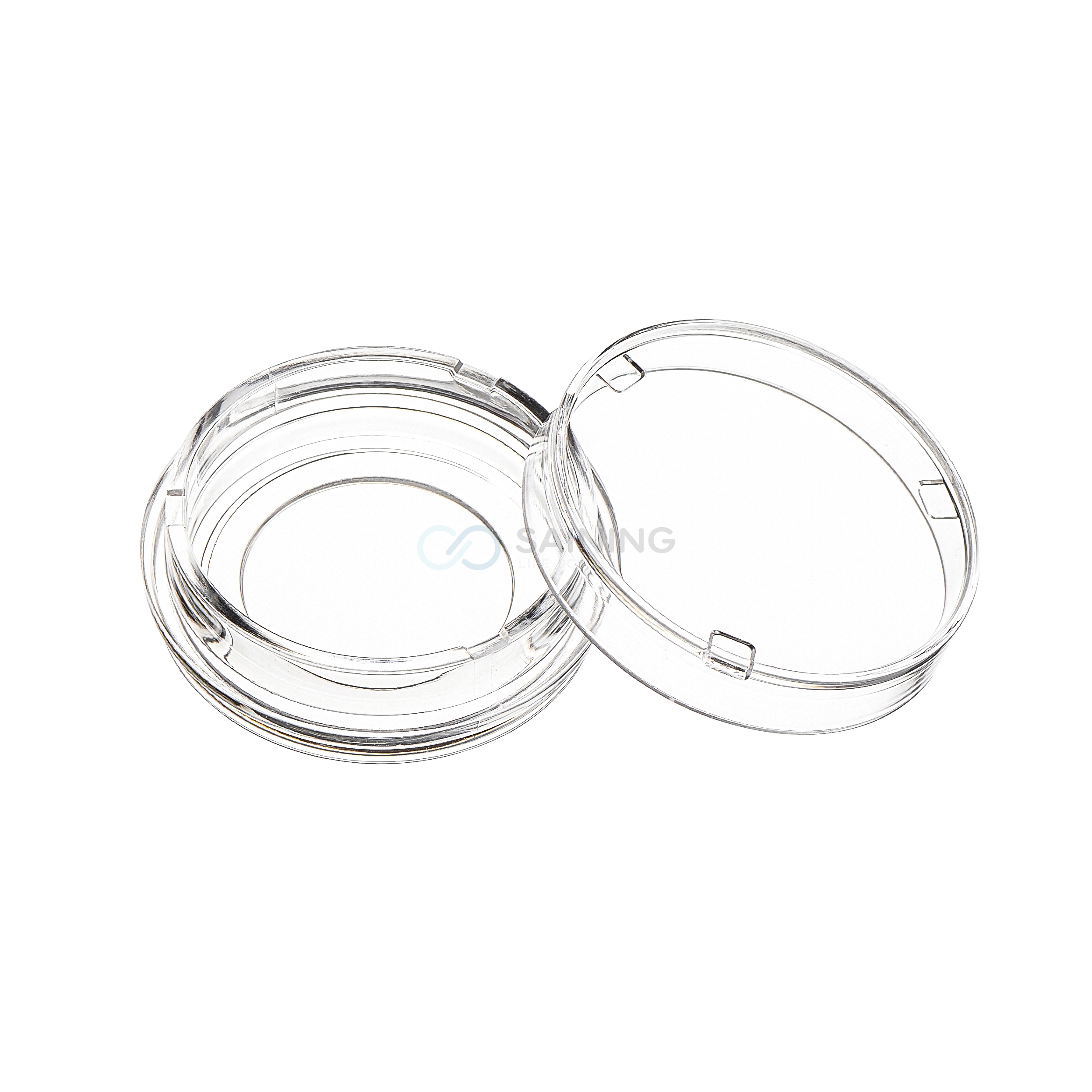
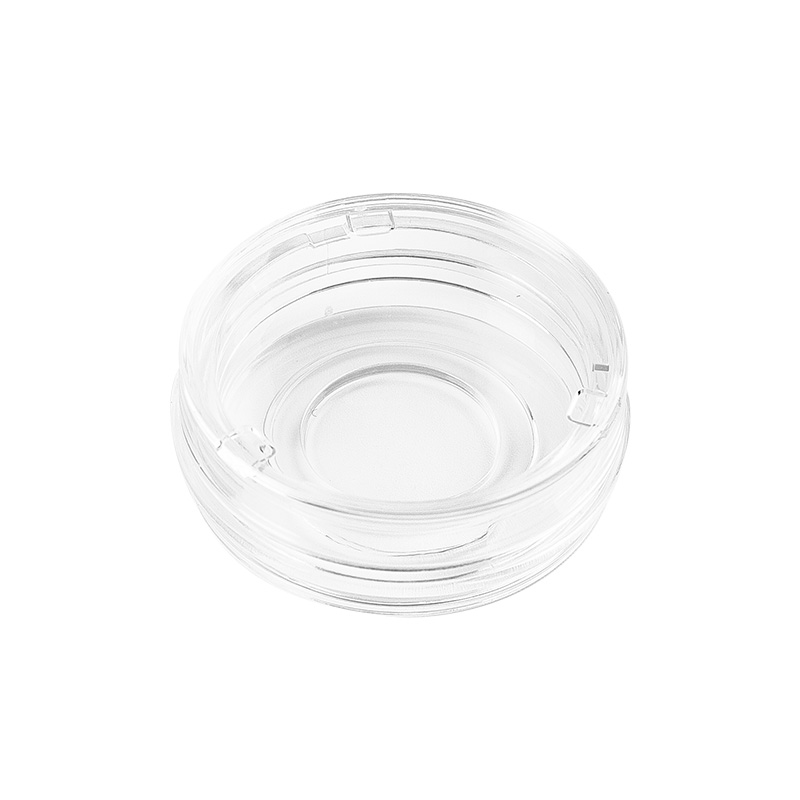
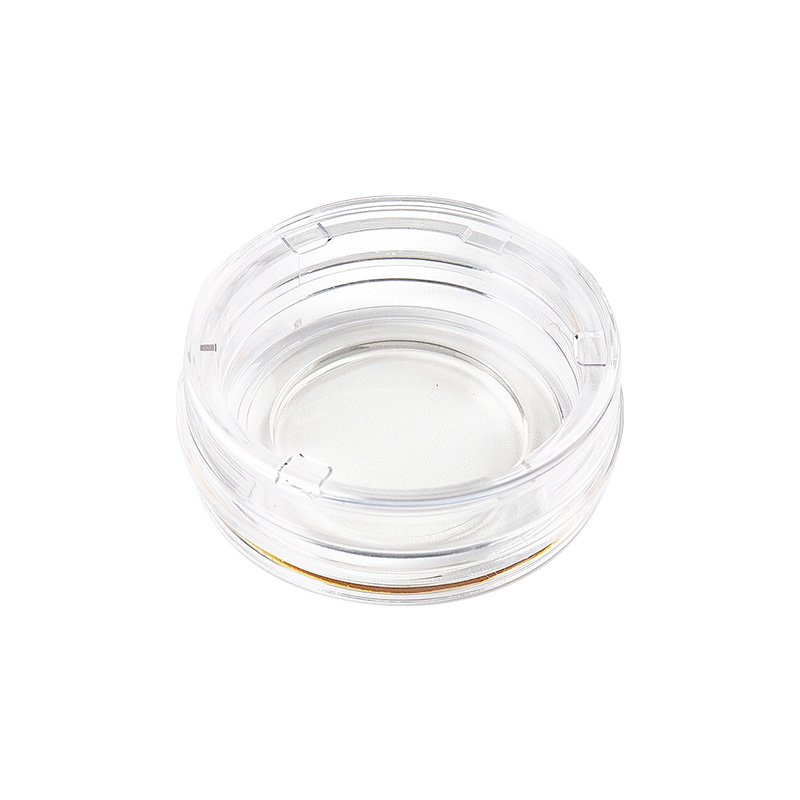
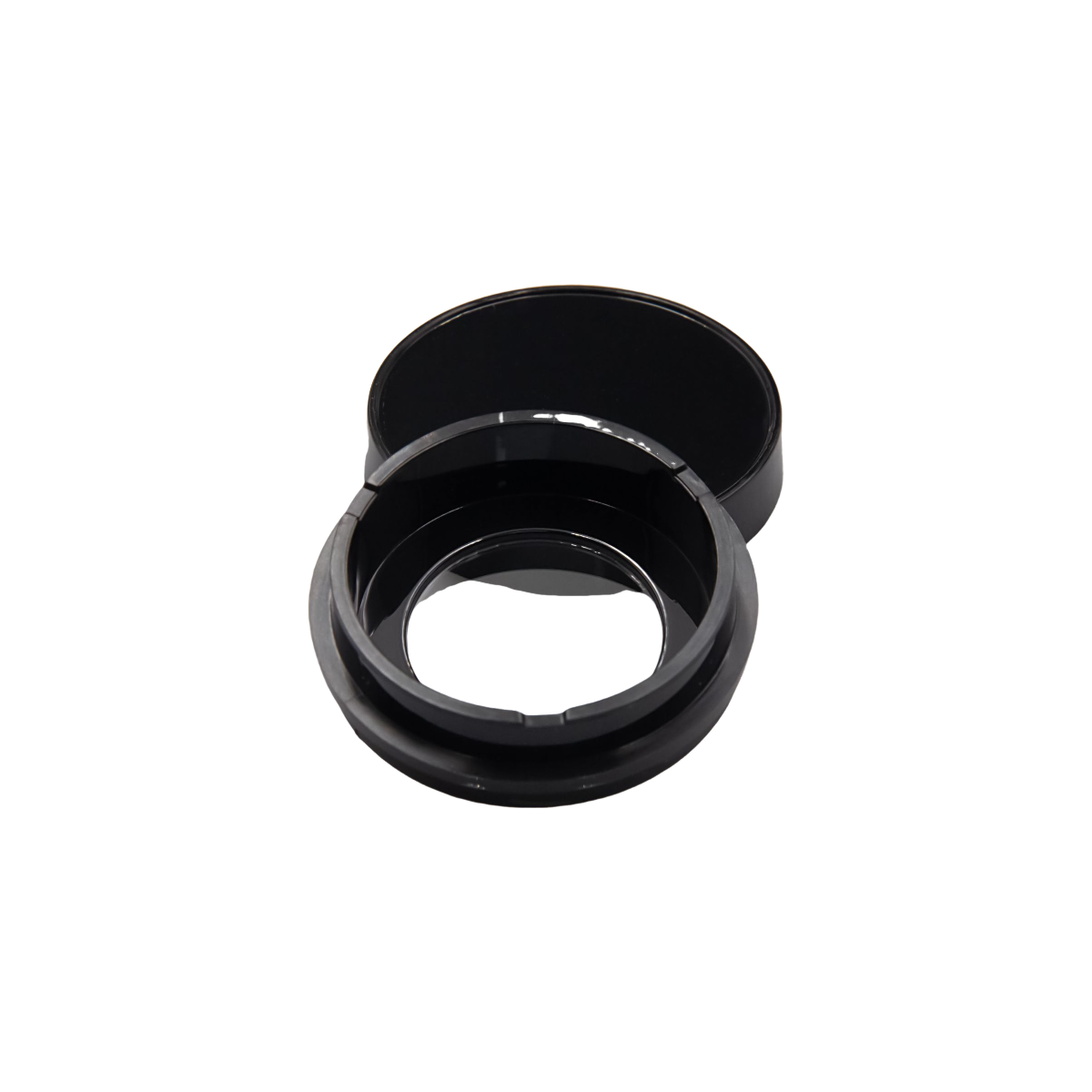
High Quality Confocal Dish
We have been deeply involved in the field of cell imaging for many years and can provide you with reliable research tools and solutions to help you obtain high-quality cell imaging analysis.
Whether you are conducting inverted microscope observations, live cell imaging analysis, or fluorescence labeling detection, Saining Cell Imaging Consumables provide optimized solutions to meet various applications such as cell-independent or parallel analysis and high-content analysis (HCA)


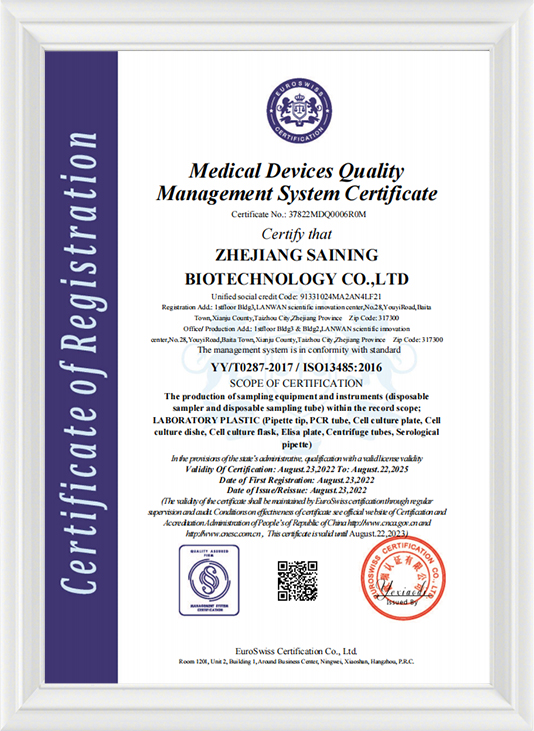
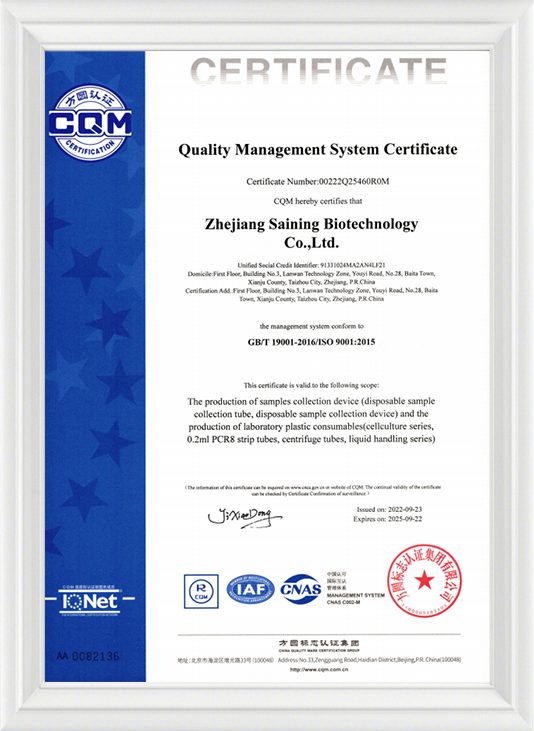
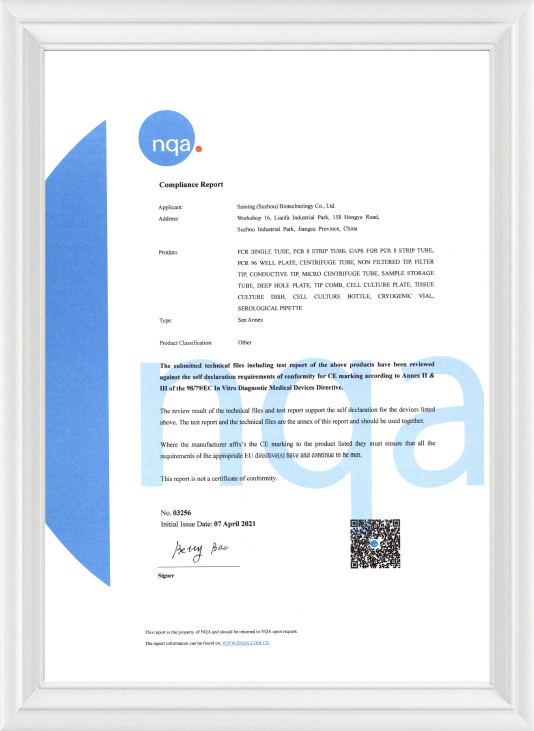
Since its establishment, the company has developed rapidly and now has a 100,000-level purification workshop of 15,000 square meters, a factory area of 30,000 square meters, a Suzhou technology research and development center, a Suzhou production base and a Taizhou production base. The main products include cell culture, biological detection liquid processing, medical equipment, safety protection, etc., which can be widely used in testing institutions (IVD), biological research, medical treatment, new drug research and development, laboratory scientific research and other fields. The product has performance and high quality. After testing by third-party testing agencies and relevant scientific research units, it has the ability to replace high-quality imported products.


-
Flow cytometry depends on carefully prepared cell samples, and the container holding those samples is part of the workfl...

-
A pipette rated for 1 mL and one rated for 3 mL might look nearly identical sitting side by side in a supply cabinet, ye...
Cell Imaging Consumables Industry Knowledge
Cell Imaging Consumables: Role and Significance in Biological Research
Cell imaging consumables encompass a range of laboratory materials designed to support visualization and analysis of cellular structures and functions. In modern biological research, drug discovery, and diagnostic development, high‑quality imaging is a fundamental step for validating cellular behavior, morphology, intracellular signaling, and phenotypic outcomes. Without reliable imaging consumables — including dishes, plates, coverslips, and related accessories — data consistency and reproducibility may suffer. These consumables provide a controlled physical environment (sterile surfaces, appropriate optical clarity, correct geometry) that allows researchers to capture meaningful images under both wide‑field and advanced microscopy settings.
Using dedicated cell imaging consumables ensures that experiments such as live‑cell imaging, immunofluorescence, high‑content screening, or morphological assays can be conducted with lessd background noise, reduced autofluorescence, and ideal light transmission. In contexts like in vitro diagnostics (IVD), preclinical drug testing, or basic cell biology research, these consumables help maintain sample integrity, protect cell viability, and provide consistency across experiments and laboratories.
Confocal Dish: Purpose and Typical Applications
A confocal dish refers to a specialized culture vessel designed for confocal microscopy or other high-resolution imaging techniques. The geometry and materials of a confocal dish are chosen to support clarity, optical compatibility, and small distortion, ensuring that laser scanning, fluorescence excitation, and high-magnification imaging produce reliable output.
Common applications for a confocal dish include live‑cell imaging of dynamics such as calcium flux, cell migration, subcellular localization of proteins, and real-time observation of cellular responses to stimuli. It is also frequently used for fixed-cell imaging: after staining or immunolabeling, researchers can view detailed architecture — organelle distribution, cytoskeletal organization, cell‑cell interactions, or uptake of probes and markers. In drug development or toxicity testing, confocal dishes provide the platform to observe subtle cellular changes, effects of compounds, or pathway activation.
Because a confocal dish provides an environment compatible with high-resolution optics, it supports both single‑cell analysis and population-based imaging. Whether the researcher needs to track fluorescent markers over time, perform quantitative image analysis, or generate publication‑quality micrographs, a properly manufactured confocal dish is a basic but crucial tool.
Cell Imaging Products: Quality Criteria and Manufacturing Considerations
When producing cell imaging products — such as imaging dishes, plates, or coverslips — certain quality criteria and manufacturing standards are particularly important. one, optical clarity is essential: the material must exhibit high light transmission, small autofluorescence, and low background signal. Common materials include optical‑grade glass or high‑clarity polymers; surface flatness and membrane uniformity also need tight control to avoid uneven focus or distortions.
Second, sterility and biocompatibility are critical. Since imaging often involves live cells or delicate fixed samples, any contaminants, residues, or toxic leachables can compromise results. As a manufacturer, ensuring clean production environments, appropriate sterilization (e.g. gamma‑irradiation, autoclaving when applicable), and rigorous QC for surface chemistry are necessary for delivering reliable cell imaging consumables.
Third, compatibility with common imaging workflows matters: from standard fluorescence microscopes to confocal, high-content imaging, or live-cell time-lapse systems. This means plate or dish geometry must match standard stage sizes, coverslip thickness must fall within microscope objective specifications, and any inserts or lids should permit gas exchange (for live-cell) while reducing evaporation.
Finally, traceability and batch consistency are important for laboratory reproducibility — especially in regulated environments such as IVD or preclinical drug screening. Consistent manufacturing ensures that results from one batch of dishes or plates are comparable to another, reducing experimental variability.
Confocal Dish and Cell Imaging Consumables in IVD and Preclinical Contexts
In the context of in vitro diagnostics (IVD) and preclinical research, confocal dishes and related cell imaging consumables play a supporting yet vital role. For instance, when evaluating the cellular effects of candidate diagnostic reagents, or assessing cytotoxicity and marker expression during drug development, imaging-based assays can provide visual confirmation of molecular or phenotypic changes.
In drug discovery pipelines, high‑content imaging using confocal dishes helps detect subtle morphological changes, monitor cell viability, detect early signs of toxicity, or observe subcellular localization of biomarkers. In diagnostic reagent development (e.g. immunofluorescent reagents, antibodies, probes), imaging consumables ensure that target binding and labeling are clearly visible, enabling validation of reagent performance.
Thus, offering reliable confocal dishes and imaging products adds value across multiple stages: reagent development, preclinical testing, label validation, and basic research. For a manufacturing company, addressing this application space can meet demand from labs, CROs, and biomedical institutions focused on translational and applied research.
Trends and Considerations in Cell Imaging Consumables Market
Current trends spotlight a few evolving demands in the cell imaging consumables space:
- Live‑cell imaging demand is rising: Researchers increasingly perform dynamic experiments — tracking cell movement, division, signaling events over time. This drives demand for dishes with controlled gas permeability, lessd evaporation, and stable surfaces suitable for prolonged imaging.
- High-content screening (HCS) workflows: As labs adopt automated HCS platforms for drug screening or phenotypic assays, there is need for imaging plates compatible with robotics, consistent well-to-well uniformity, and low autofluorescence.
- Compatibility with advanced microscopy: More researchers employ confocal, super‑resolution, or multi‑photon microscopy. Imaging consumables must therefore meet tighter specs: uniform coverslip thickness, small background, low autofluorescence, precise geometry.
- Demand for sterile, ready‑to-use consumables: To save time and avoid contamination, many labs prefer pre-sterilized, packaged imaging dishes or plates rather than glass-cover slip assembly.
For a manufacturer in this field, aligning product design and production with these trends — high optical quality, sterile packaging, compatibility with robotics and automation, and stable long-term storage — can meet evolving market needs.

