



 中文简体
中文简体 English
Microbiological Consumables Factory
Studying microorganisms, their metabolism, and their impact on other (larger) organisms generally refers to the field of microbiology. Various detection methods are used in many research fields and industries.
For example, tests used to detect microorganisms and ensure quality are also applied in the production of pharmaceuticals, cosmetics, food, and beverages. We offer a variety of microbiology testing consumables, such as bacterial culture dishes, inoculating loops, inoculating needles, and swabs



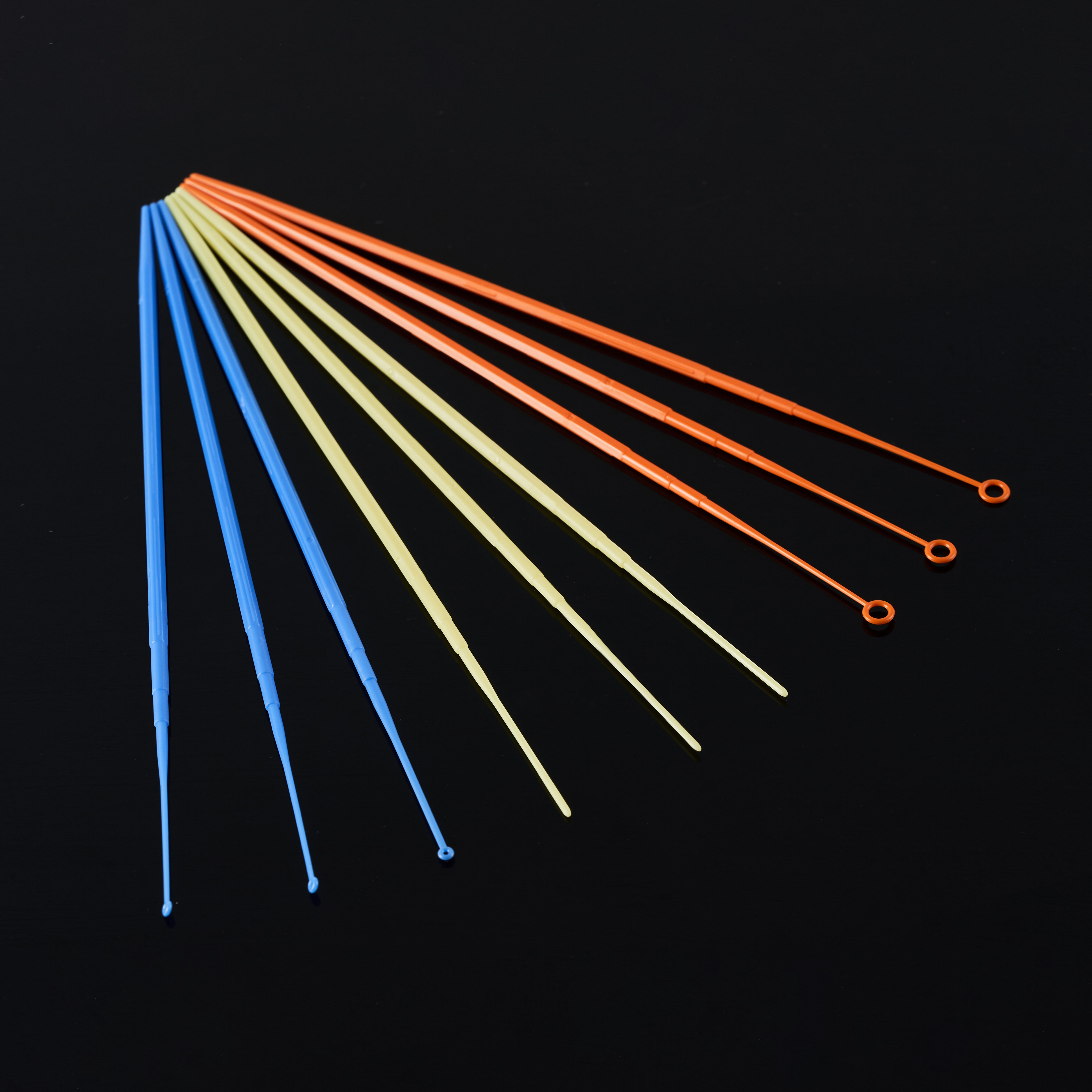
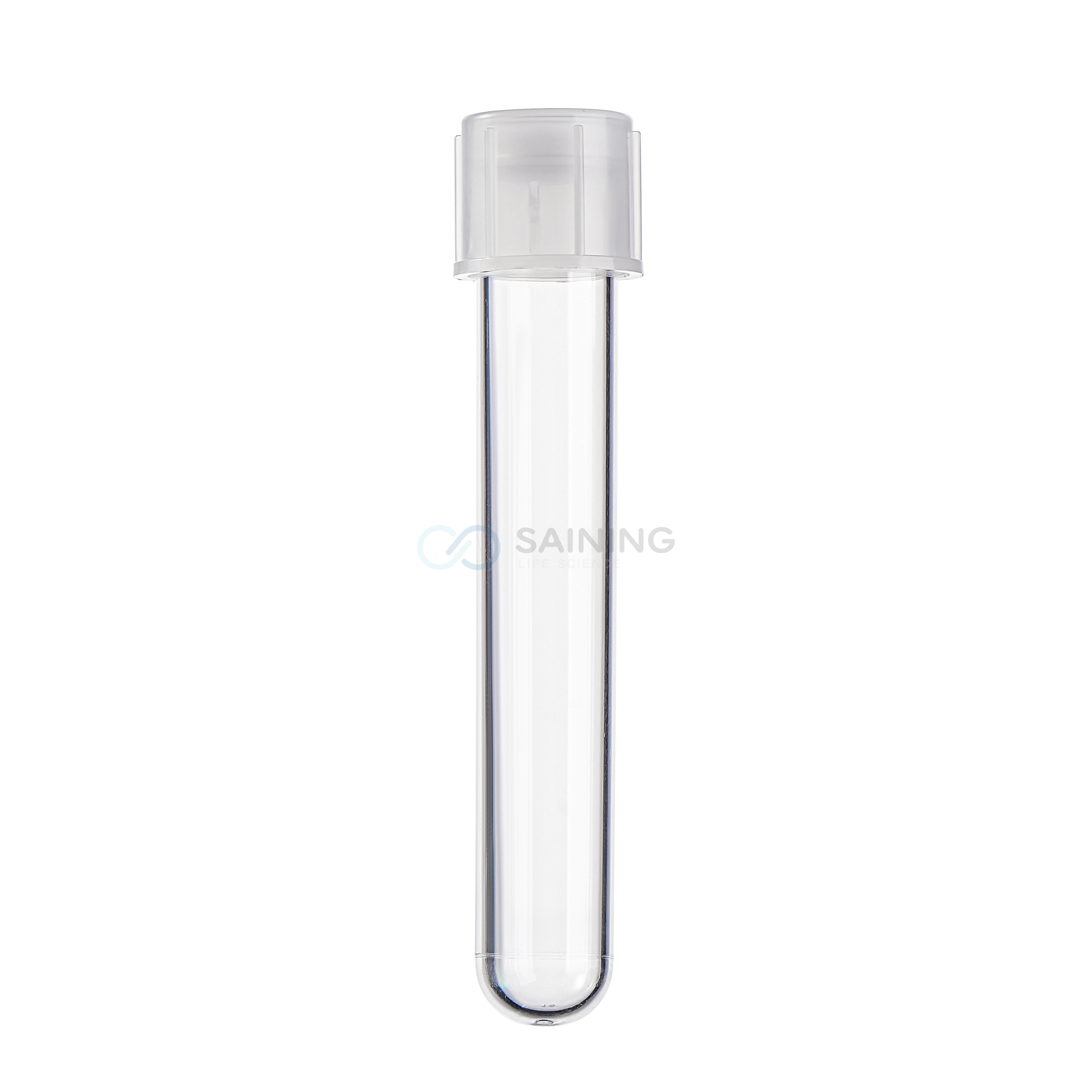
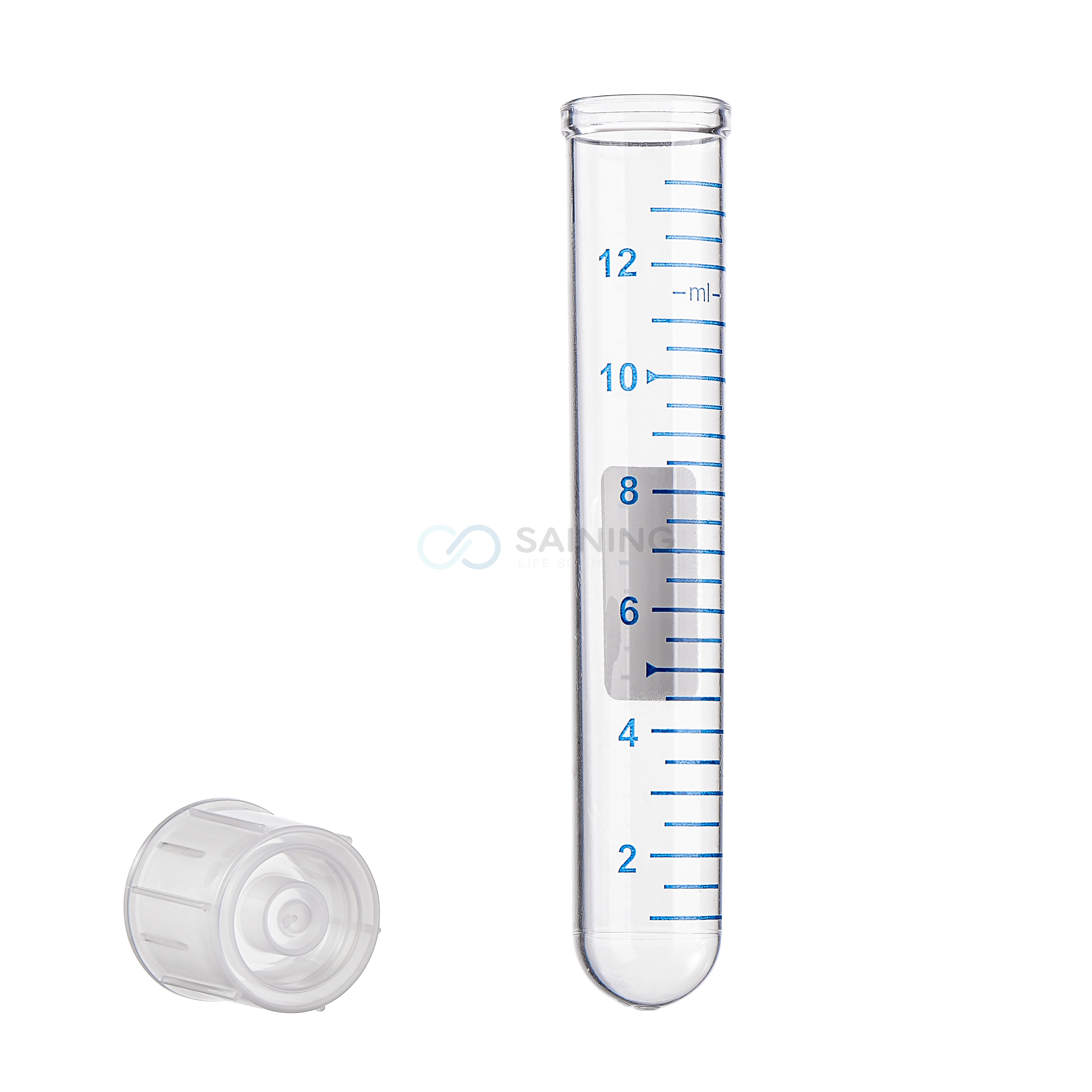

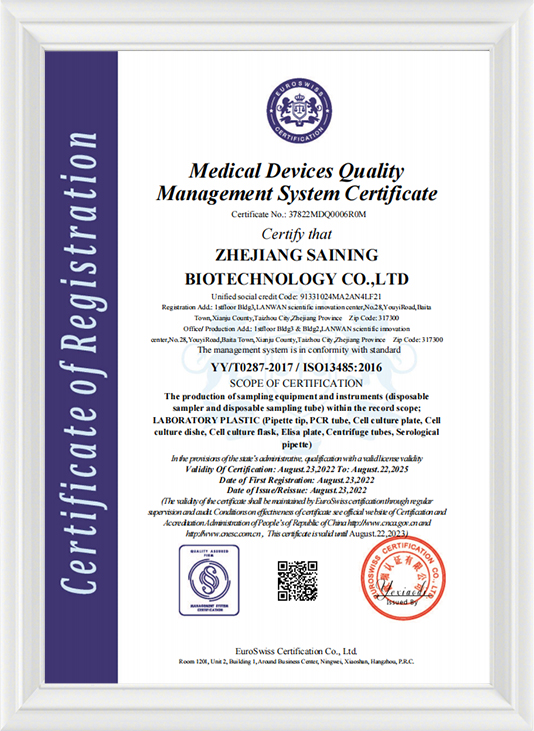
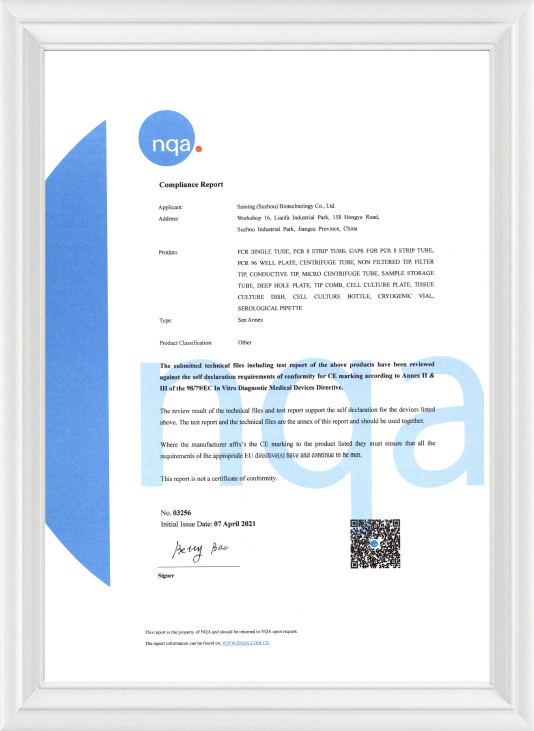
Since its establishment, the company has developed rapidly and now has a 100,000-level purification workshop of 15,000 square meters, a factory area of 30,000 square meters, a Suzhou technology research and development center, a Suzhou production base and a Taizhou production base. The main products include cell culture, biological detection liquid processing, medical equipment, safety protection, etc., which can be widely used in testing institutions (IVD), biological research, medical treatment, new drug research and development, laboratory scientific research and other fields. The product has performance and high quality. After testing by third-party testing agencies and relevant scientific research units, it has the ability to replace high-quality imported products.



-
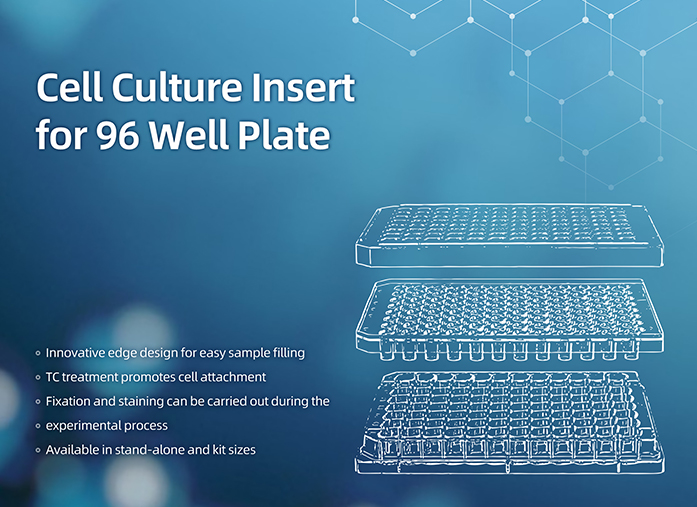
In assays using formats like the Cell Culture Plate (96 Well) and especially the ELISA Plate, researchers sometimes find...

-
Researchers and laboratory technicians often struggle with getting cells to adhere consistently when working with a Cell...
Microbiological Consumables Industry Knowledge
Microbiological Consumables: Role and Significance in Modern Labs
Microbiological consumables are essential tools in laboratories dealing with bacteriology, virology, environmental microbiology, food safety testing, and related fields. These consumables provide a controlled, contaminant-free environment to handle microbial samples safely and reproducibly. By using dedicated consumables, labs reduce cross‑contamination risks, protect sensitive microbial cultures, and support reliable downstream analyses. In addition, proper usage of microbiological consumables helps labs comply with biosafety and quality standards required in diagnostics, research, and clinical settings.
Key items under this category typically include sterile loops, swabs, Petri dishes, culture tubes, sample collection tubes, disposable inoculation tools, and other single‑use plastic or glassware. Because microbes are sensitive to contamination and environmental fluctuations, the integrity of microbiological consumables has direct impact on the reliability of results.
Sterile Disposable Consumables: Importance of Sterility and Single‑Use Design
Sterile disposable consumables are designed to be used once and then discarded, minimizing contamination risk and simplifying lab workflows. The sterility of these items is maintained through validated sterilization procedures — such as gamma irradiation, ethylene oxide (EtO), or autoclaving before packaging — ensuring that they are free of viable microorganisms before use.
The single-use nature removes the need for cleaning and re-sterilization, reducing labor, turnaround time, and the risk of residual contaminants. This is especially relevant in clinical diagnostic applications, IVD (in‑vitro diagnostics), molecular biology, and biosafety-level workflows.
Moreover, sterile disposables offer traceability: each pack or lot can be labeled with batch numbers and sterilization records, aiding in quality assurance, audit trails, and compliance with regulatory requirements. For laboratories processing human-derived samples or pathogens, sterility and single-use design are often prerequisites from a biosafety and regulatory perspective.
Microbiology Lab Consumables: Materials, Design Considerations, and Quality Assurance
When manufacturing microbiology lab consumables, the choice of materials and design is critical. Typical materials include medical-grade plastics (e.g., polystyrene, polypropylene, polyethylene), sometimes glass for culture tubes or slants, and membrane materials (e.g., PET or polycarbonate) for inserts or filtration devices.
Design considerations should factor in:
- Sterilization compatibility — materials must withstand irradiation, EtO, or autoclaving without warping or leaching.
- Chemical resistance — to culture media, cleaning agents, disinfectants or buffer solutions.
- Mechanical integrity — for sealing, capping, centrifugation, or repeated handling.
- Clarity and transparency — for visual inspection of cultures, sediment, or pelleted material.
Quality assurance processes should include batch‑to‑batch sterility testing, endotoxin / pyrogen testing (if applicable), dimensional inspections, seal integrity tests, and documentation of sterilization method. For products intended for diagnostic or clinical use, comprehensive quality control is a key part of reliability.
Typical Applications of Microbiological & Sterile Disposable Consumables
- In-vitro diagnostics (IVD): single-use tubes and swabs for sample collection (e.g., blood, saliva, nasal or throat swabs), culture tubes for microbial isolation, contamination-free handling of clinical specimens.
- Research labs: microbial culture, antibiotic susceptibility assays, environmental sampling, microbial ecology studies, food‑borne pathogen testing, and quality control in biotech processes.
- New‑drug development: screening microbial strains, testing bioburden, evaluating microbial contamination in drug formulations or raw materials.
- Biosafety-sensitive workflows: handling pathogenic organisms under Biosafety Level (BSL) conditions — disposable, sterile consumables reduce cross‑contamination and biohazard risk.
Regulatory, Safety, and Traceability Aspects of Sterile Consumables
In sectors like diagnostics and medical research, sterile disposable and microbiology consumables may be subject to regulatory standards and good manufacturing practices (GMP).
Key aspects include:
- Sterility assurance — validated sterilization processes and documentation support regulatory compliance.
- Lot traceability — batch/lot numbers, sterilization records, and expiry dates are critical for audits and quality control.
- Labelling and packaging — clear labeling on single‑use packaging helps end‑users correctly identify sterile vs non‑sterile items.
- Biosafety compliance — for labs working with pathogens or human specimens, using pre‑sterilized, single‑use consumables helps meet biosafety requirements and reduces risk of contamination or exposure.
By covering these requirements, manufacturers help laboratories maintain integrity, reproducibility, and safety in sensitive workflows.
Trends and Considerations in the Field of Microbiological Consumables
Increased Demand for Pre‑sterilized, Ready-to-use Products
More laboratories — especially clinical, diagnostic, or high-throughput research labs — prefer pre‑sterilized, ready‑to-use consumables to reduce workload, ensure sterility, and speed up workflows. This drives growth in sterile disposable consumables demand, especially single-use loops/swabs, sample collection tubes, and pre-sterilized culture vessels.
Focus on Traceability and Regulatory Compliance
As regulatory oversight increases globally for diagnostic and clinical testing, traceability via lot numbers, sterilization certificates, and documentation becomes more important. Products offering full traceability and quality assurance are increasingly favored.
Material Innovation and Eco‑Friendly Options
There is a growing interest in sustainable materials and production processes. Some labs may look for recyclable plastics or low-environmental-impact packaging, provided sterility and performance are ensured. Manufacturers may explore biodegradable or recyclable polymers that still meet sterilization and chemical resistance standards.
Adaptation to Multipurpose and Modular Designs
Labs often seek flexible consumables that work with multiple workflows: e.g., insert-based culture vessels, modular sample‑collection tubes compatible with centrifugation, or consumables that integrate with automated systems. This flexibility helps labs optimize space, reduce inventory complexity, and streamline operations.

