



 中文简体
中文简体 English
Petri Dish Factory

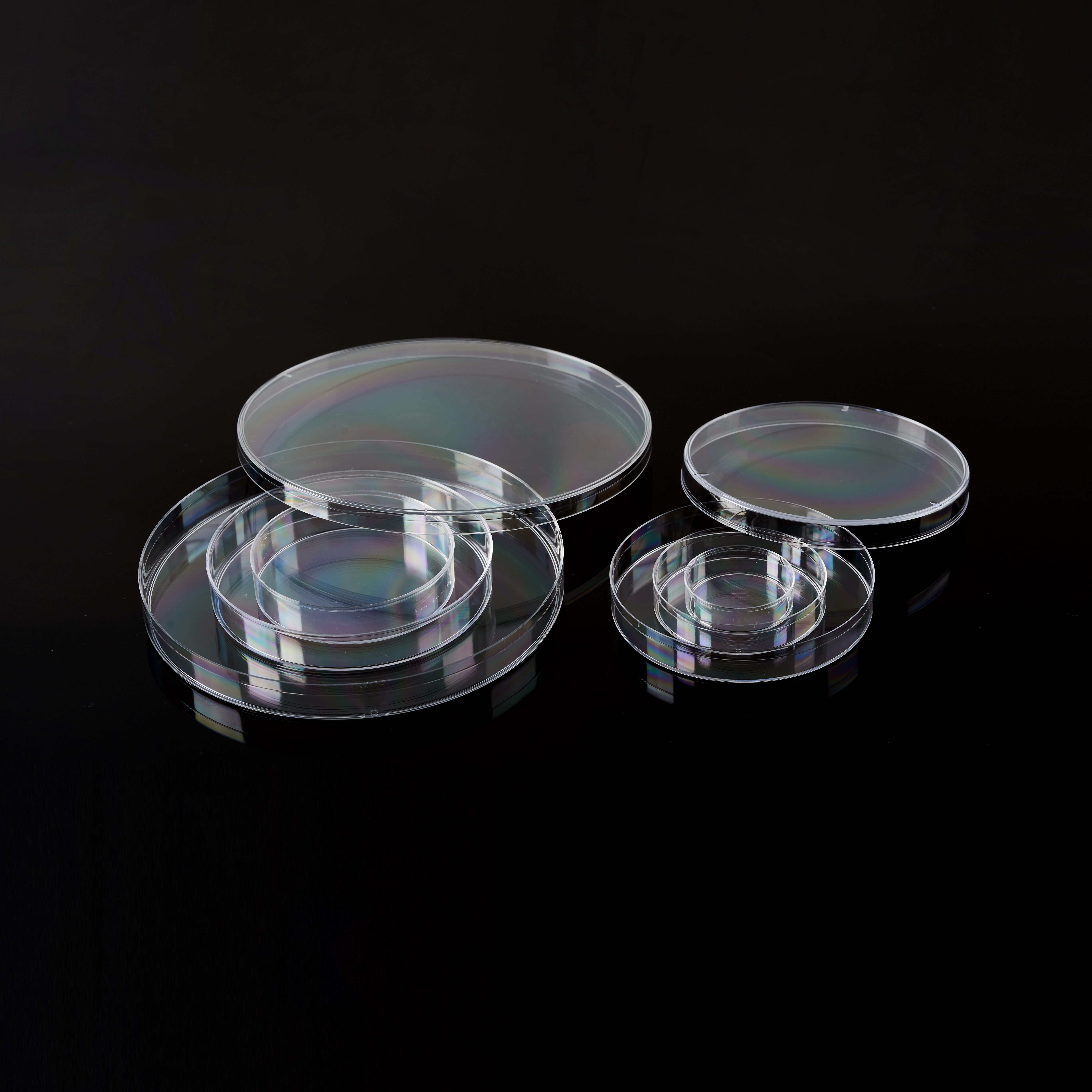
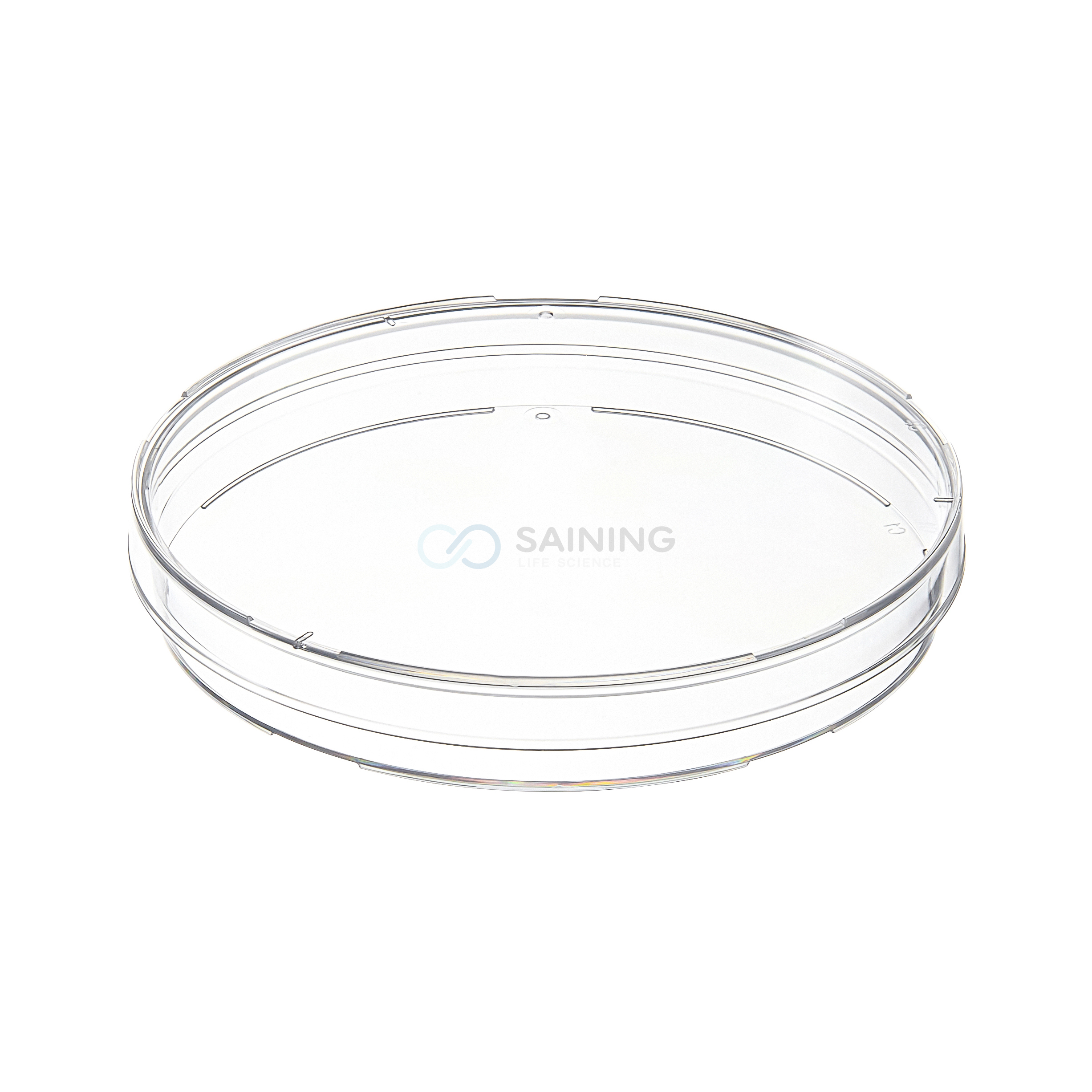
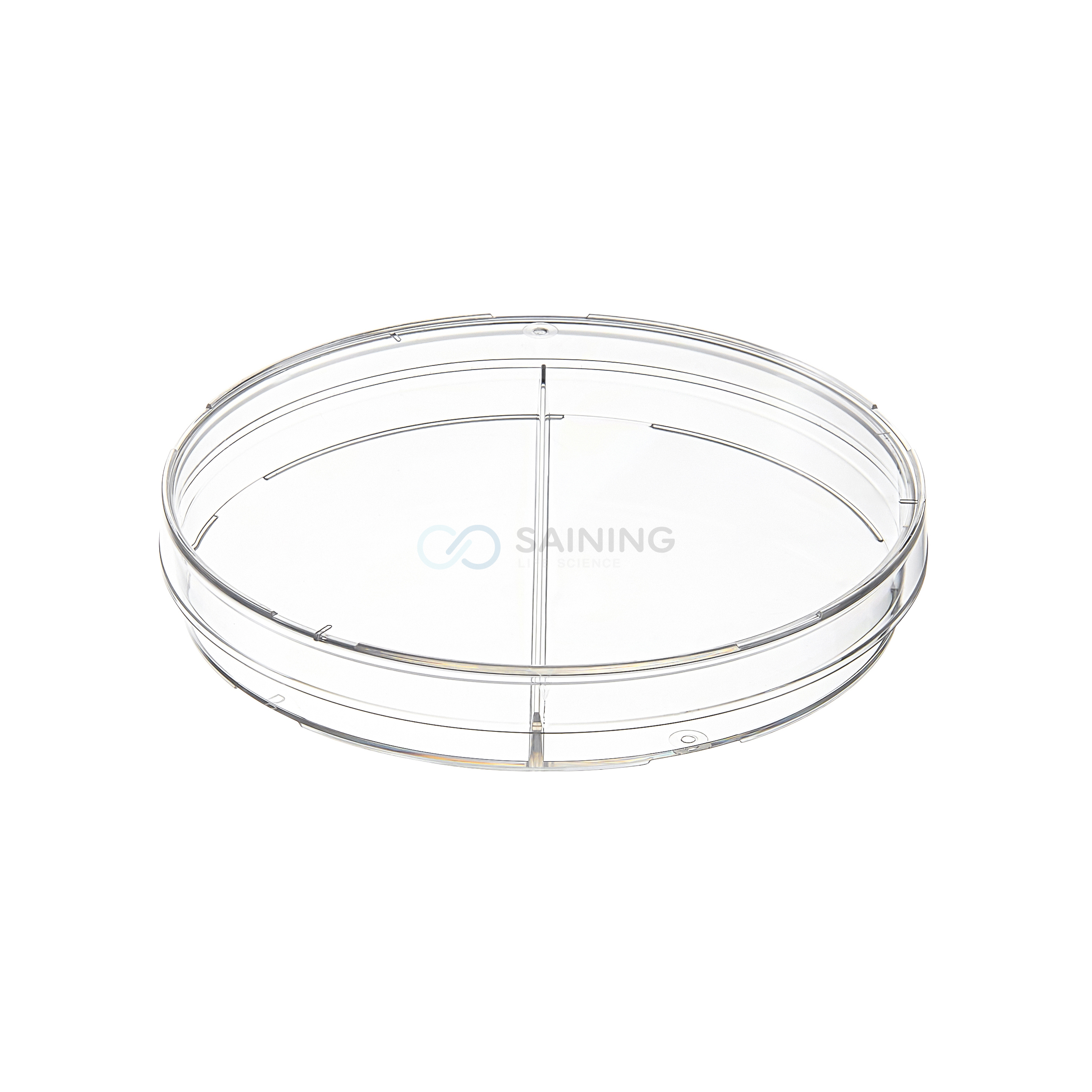
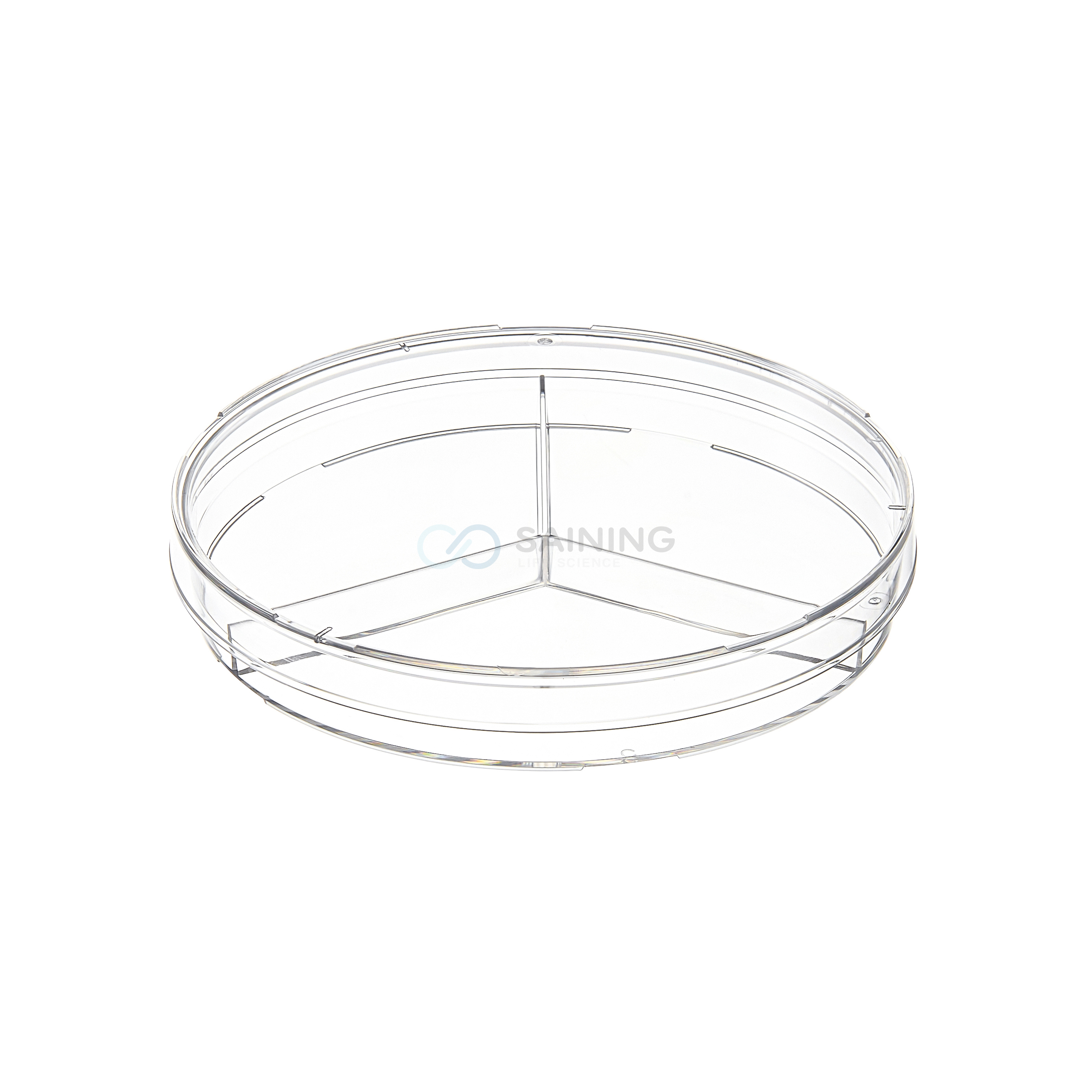

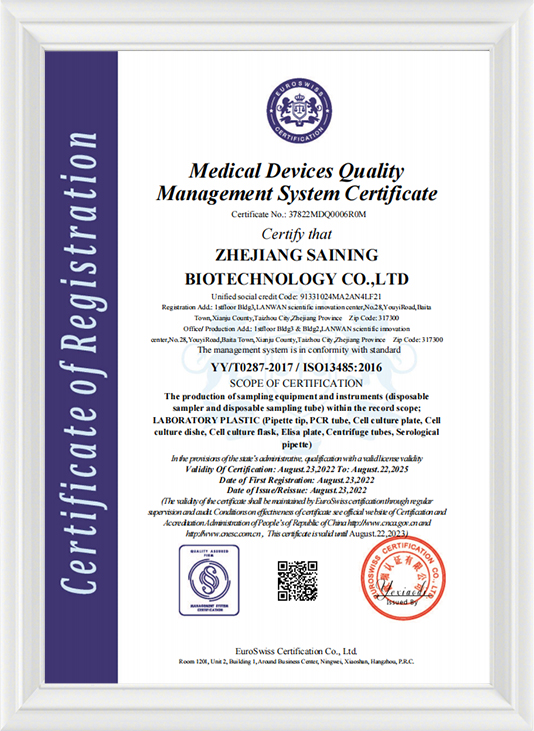
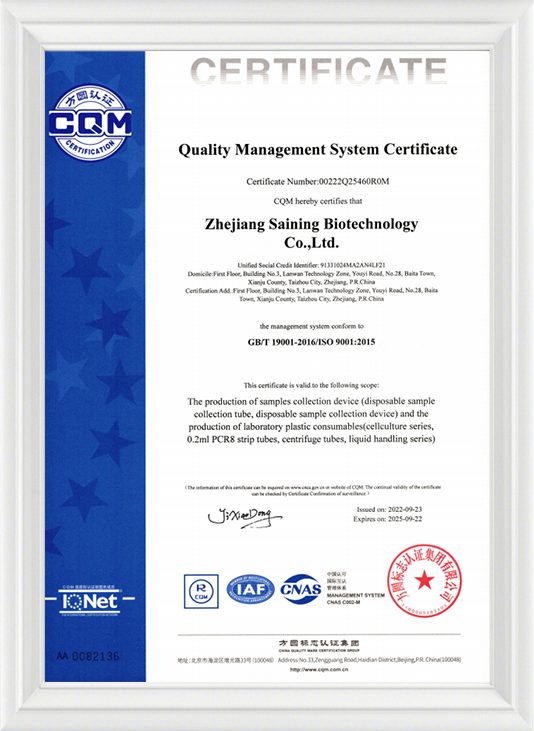
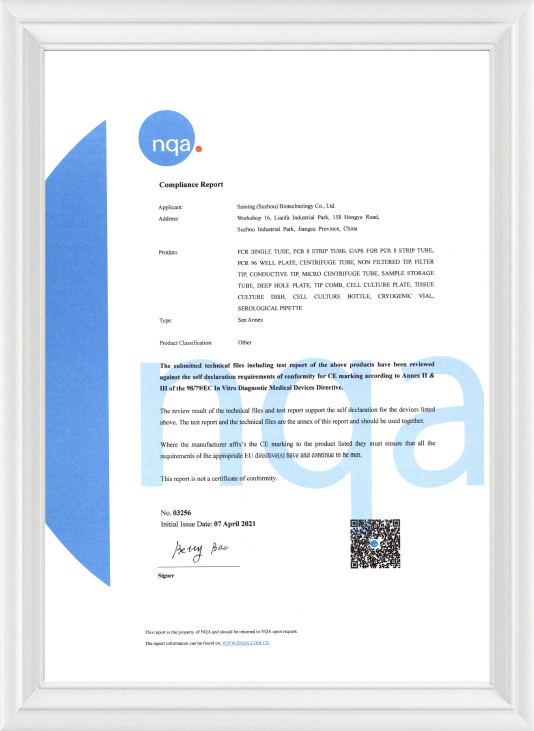
Since its establishment, the company has developed rapidly and now has a 100,000-level purification workshop of 15,000 square meters, a factory area of 30,000 square meters, a Suzhou technology research and development center, a Suzhou production base and a Taizhou production base. The main products include cell culture, biological detection liquid processing, medical equipment, safety protection, etc., which can be widely used in testing institutions (IVD), biological research, medical treatment, new drug research and development, laboratory scientific research and other fields. The product has performance and high quality. After testing by third-party testing agencies and relevant scientific research units, it has the ability to replace high-quality imported products.
-
A Cells craper is a laboratory tool used to detach adherent cells from the surfaces of culture dishes, flasks, and plate...

-
Distributors supplying molecular biology and genomics labs have watched a specific request show up more consistently in ...
Petri Dish Industry Knowledge
Petri Dish / Petri Plate / Microbial Plate — Overview
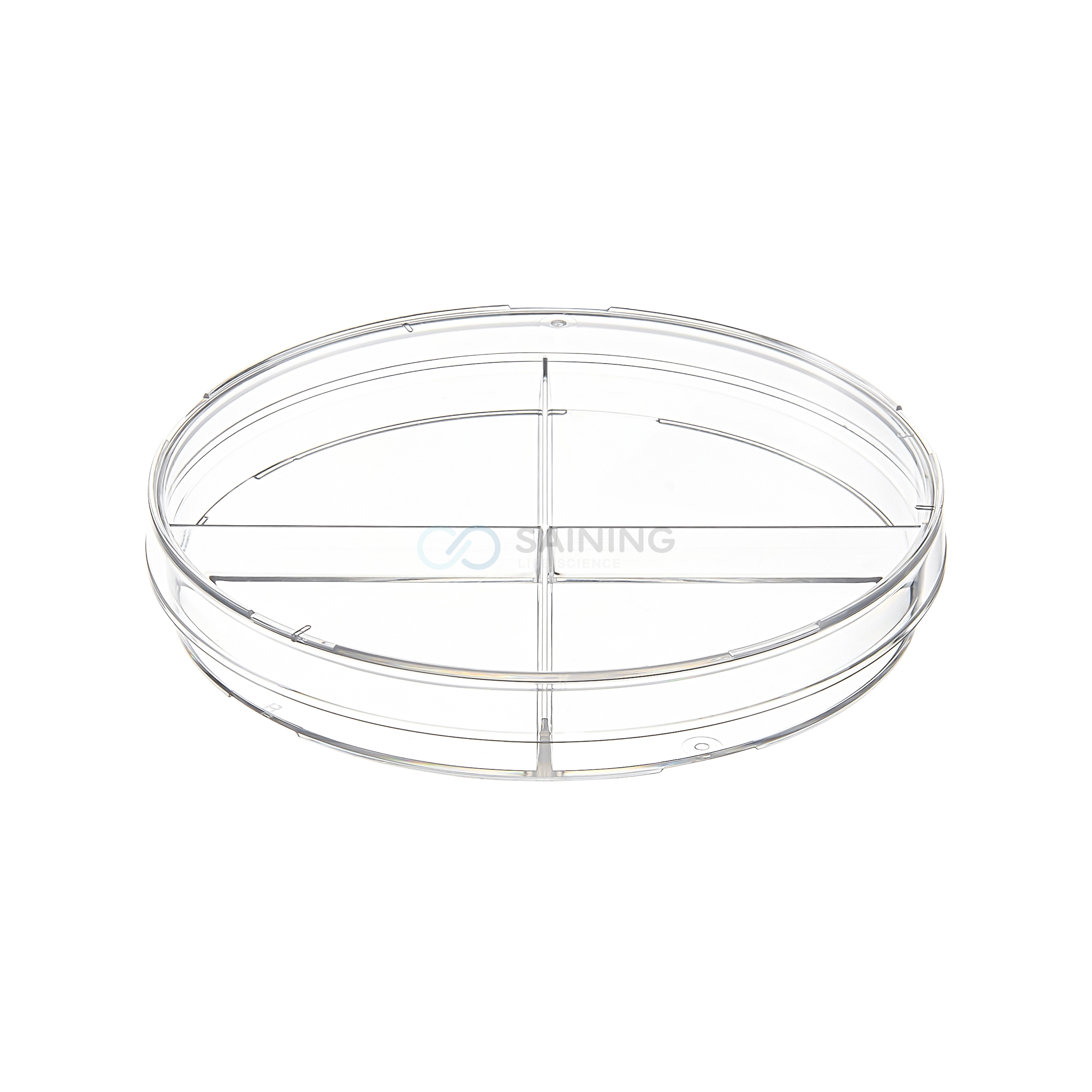
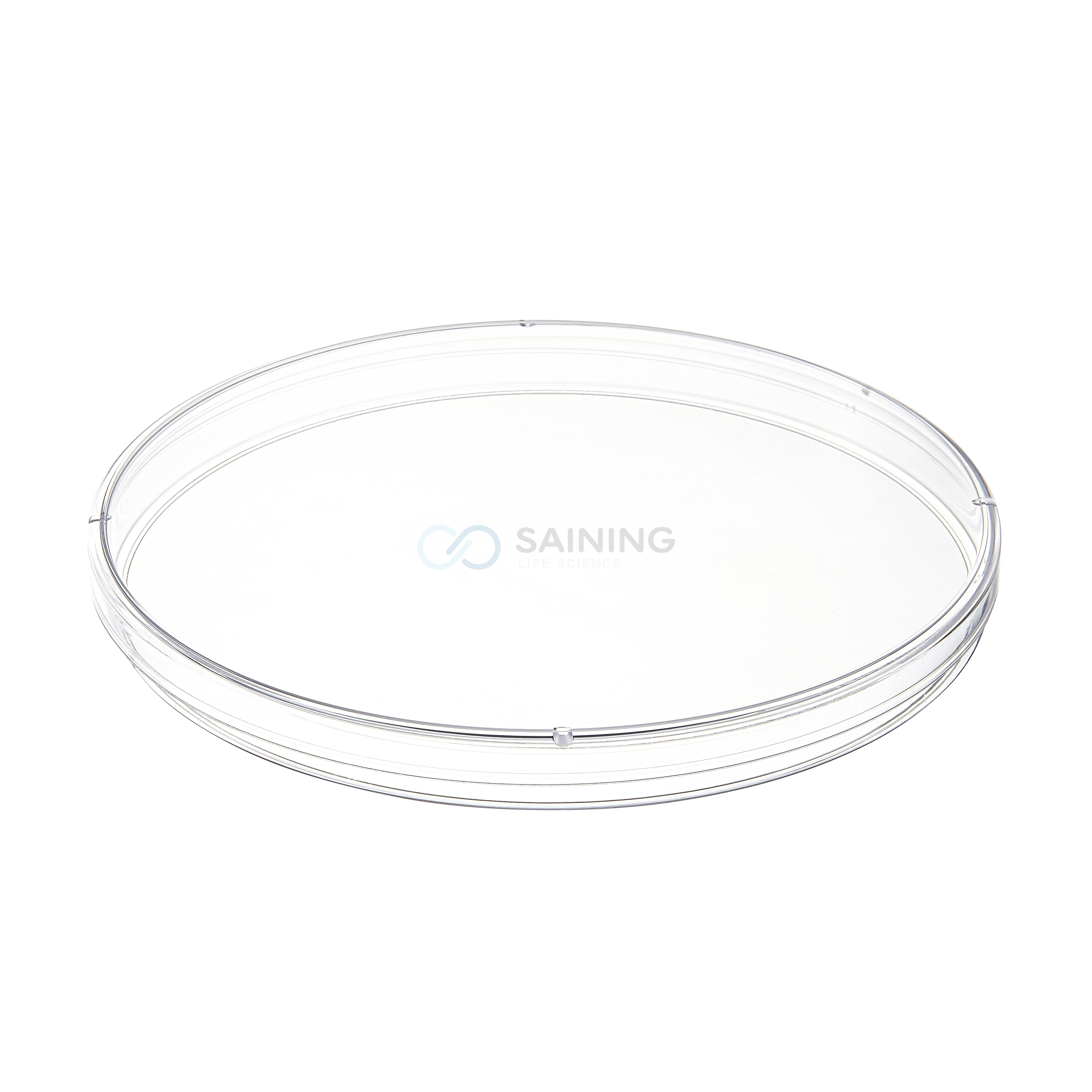
Petri dishes (also often called Petri plates or microbial plates) are among the foundational consumables in laboratories focused on microbiology, cell biology, diagnostic work, and basic biological research. These shallow round dishes provide a controlled, flat surface ideal for growing microbial colonies, cell cultures, or evaluating sample behavior under varied conditions. Their simplicity and versatility have maintained their relevance through decades of laboratory practice.
Design and Material Variants of Petri Plates
Petri dishes come in several material and design variants to meet different experimental requirements. Traditionally, glass dishes were common, but modern versions typically use polystyrene (PS) or other plastics. Plastic microbial plates are often disposable, which reduces the risk of cross‑contamination and avoids the need for sterilization cycles. Some plates are sterile‑packaged and ready to use, while others are non‑sterile, intended for research settings where custom sterilization or preparation is performed.
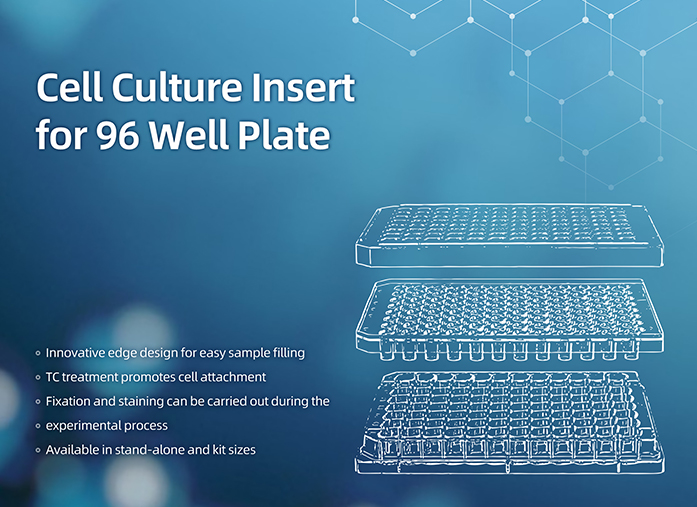
There are also modular plate formats: standard round dishes (~90–100 mm diameter), multi‑well plates, square plates, and deep‑well variants. These variants adapt the basic Petri‑plate concept to more high‑throughput or specialized workflows, offering higher sample throughput or alternative geometry for unique experimental setups.
Typical Uses in In Vitro Diagnostics (IVD) and Medical Research
In the context of in vitro diagnostics (IVD), microbial plates are frequently used for bacterial/fungal culture, antibiotic susceptibility testing, environmental monitoring, and sample isolation or colony enumeration. The flat agar surface ensures even growth and easy observation of colony morphology.
Beyond microbial culture, Petri dishes and plates serve a role in medical research labs. They provide a platform for preliminary screening of pathogen behavior, assessing contamination, and sometimes for preliminary cell‑based assays (especially for adherent cells on coated plates). Their utility in pathogen isolation, sterility testing, and microbial load assessment makes them indispensable in labs adhering to clinical‑grade or research‑grade protocols.
Key Considerations When Selecting Microbial Plates
When a laboratory chooses microbial plates, certain criteria guide the selection:
- Sterility and packaging: For clinical or diagnostic use, pre‑sterilized and individually sealed plates have less contamination risk.
- Material compatibility: The plastic type should be compatible with intended reagents, dyes or antibiotics; some plastics may leach or react.
- Transparency and clarity: Visual inspection of colony morphology, color changes, or turbidity is often critical; hence, high optical clarity is desirable.
- Dimensional consistency: Uniform diameter, depth, and thickness ensure reproducibility across experiments—particularly important for quantitative or comparative studies.
- Surface treatment (if needed): For cell culture applications, surface coating or treatment (e.g. adhesion promotion) may be needed; whereas for microbial culture, untreated surfaces are standard.
Selecting the right Petri plate variant helps labs obtain consistent and reproducible results while ensuring biosafety and convenience.
Workflow Integration: From Sample to Data Using Petri Dishes
A typical workflow using microbial plates involves several steps. One, a sterile Petri plate is prepared (or opened under aseptic conditions). Agar or selective medium is poured and solidified. Then, samples (e.g. environmental swabs, clinical specimens, water samples) are inoculated using sterile loops or swabs. After incubation under controlled temperature and atmosphere, colonies grow. Researchers then inspect colony morphology, count colony‑forming units (CFUs), or proceed with further assays such as isolation, sub‑culture, staining, or molecular testing.
Because Petri dishes support direct observation and easy handling, they remain fundamental even in workflows that later transition to more advanced molecular diagnostics or high‑throughput screening. They act as an early-stage screening and isolation tool before moving to more specialized platforms.
Quality Control, Sterility, and Regulatory Relevance
In application areas like IVD or medical research, maintaining sterility and traceability is essential. Disposable sterile microbial plates eliminate the risk associated with reusing glass dishes and simplify compliance with lab protocols. Consistent quality and batch-to-batch reproducibility help labs meet regulatory requirements.
Moreover, packaging under clean or controlled environments reduces contamination during transport and storage. Clear labeling with lot numbers, sterilization method (e.g. gamma irradiation, autoclave), expiration date, and storage conditions supports traceability — a feature many labs demand for documentation and audit readiness.
Advantages and Limitations of Petri Dish‑based Methods
Advantages: Petri dishes offer a low-cost, low-technology, and widely accessible solution for microbial culture and initial sample screening. They require small specialized equipment and are easy to store, transport, and use. The visual readout (colony morphology, color change) is straightforward and interpretable even without advanced instrumentation.
Limitations: The reliance on agar-based growth means some organisms may not culture under standard conditions — slow growers, fastidious microbes, or anaerobes may require specialized media or environmental control. Colony growth takes time (hours to days), which can delay diagnostics or research throughput. For high-throughput assays or quantitative microbial detection, manual colony counting is labor intensive, and human error can affect reproducibility.
For certain applications — for example, precise quantitation of microbial load in complex samples — more advanced methods (e.g. molecular assays, flow cytometry) may be warranted. But even in those cases, Petri dishes frequently serve as an initial screening step.
Why Microbial Plates Remain Relevant in Modern Labs
Even as molecular diagnostics, automated cell counters, and high-throughput sequencing reshape biological research and diagnostics, microbial plates continue to play a role. Their simplicity, affordability, and reliability make them valuable for initial isolation, contamination checks, and basic culture work.
In settings where resources are limited or rapid infrastructure scaling is required, the use of Petri dishes makes microbial culture accessible. For quality control, sterility verification, environmental monitoring, or routine microbial surveillance — microbial plates remain a practical and essential tool.
Moreover, because many organisms still require culture-based confirmation (for antibiotic susceptibility, viability assessment, and phenotypic traits), microbial plates are likely to retain their place in laboratory workflows for the foreseeable future.
Notes for Manufacturers: What to Emphasize When Producing Microbial Plates
If your company intends to produce Petri dishes / microbial plates, here are important aspects to highlight:
- Ensure material purity and absence of chemical leachables.
- Provide sterile, individually sealed packaging with clear labeling and batch traceability.
- Maintain dimensional consistency and optical clarity.
- Offer variants (standard round plates, multi-well plates, deep‑well or square‑well formats) to suit diverse lab workflows.
- Consider offering plates with or without lids, or with filter‑vented lids where needed.
- Provide optional surface treatments or coatings if the plates may also be used for cell culture.
These measures support adoption by labs in diagnostics, research, and quality‑control settings, and help build trust in product safety and reliability.

